4.2.3
Inmigración en el mundo hispánico
Test your knowledge with free interactive questions on Seneca — used by over 10 million students.
Inmigración en el mundo hispánico

Inmigración en Chile
- ¿Cómo es la situación de la inmigración en Chile?
- How is the immigration situation in Chile?
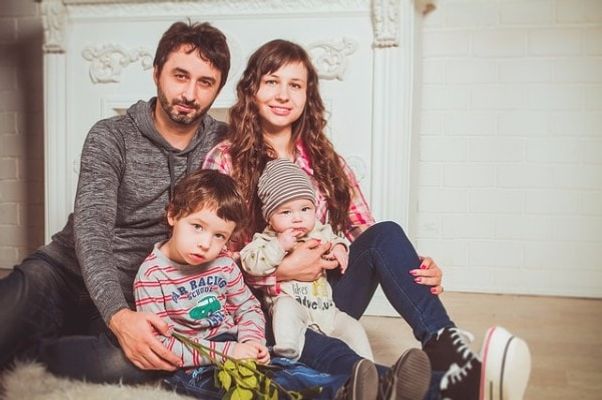
La situación de Chile
- Chile es un país sudamericano que tiene casi 19 millones de habitantes y de ellos 1.25 millones son inmigrantes; es decir, el 7% de la población.
- Chile is a South American country that has almost 19 million inhabitants and of them 1.25 million are immigrants; that is, 7% of the population.

Sin discriminación
- La mayoría de estos inmigrantes son venezolanos y peruanos.
- Most of these immigrants are from Venezuela and Peru.

Los inmigrantes
- Esto no solo por su proximidad geográfica o por la bonanza económica, sino también porque son recibidos sin discriminación, y porque les gustan sus políticas receptivas.
- This happens not only because of their geographical proximity or the economic boom, but also because they are welcomed without any discrimination, and because they like their receptive policies.

La política receptiva
- Estas políticas favorables incluyen el hecho de que la legislación chilena que facilita que los inmigrantes extranjeros se puedan insertar fácilmente en el trabajo, en el sistema sanitario y escolar.
- These advantageous policies include the fact that Chilean legislation makes it easier for foreign immigrants to insert themselves into the market, the health system and the school system.

El Banco Central de Chile
- Esto puede hacer más rápida su integración. Según el Banco Central de Chile esta inmigración resulta muy positiva para el crecimiento de la economía de Chile.
- This can make their integration quicker. According to the Central Bank of Chile, this immigration is very positive for the growth of the economy of Chile.

¿País receptor o generador?
- Técnicamente España es ambos: un país receptor (de inmigración) y generador (de emigración).
- Spain is technically both: a receiving (immigration) and sending (emigration) country.

Europa
- Según el Ministerio de Trabajo, Migraciones y Seguridad Social, en el año 2019 había 2.5 millones de emigrantes, de ellos 1.5 en América, y 1 millón en Europa (Reino Unido, Alemania o Francia).
- According to the Ministry of Work, Migration and Social Security, in 2019 there were 2.5 million emigrants, 1.5m of them to America, and 1 million to Europe (United Kingdom, Germany or France).

El Plan de Retorno
- El gobierno español lanzó en 2019 el Plan de Retorno para incentivar a los emigrantes que emigraron debido a la crisis económica de 2008, para que regresaran a España.
- In 2019 the Spanish government launched the 'Return Plan' to incentivise the emigrants who emigrated due to the economic crisis of 2008 so they returned to Spain.
1Los valores tradicionales y modernos
1.1Los cambios en la familia
1.2Actitudes hacia el matrimonio/el divorcio
2El ciberespacio
2.1La influencia de internet
2.2Las redes sociales: beneficios y peligros
3La igualdad de los sexos
3.1La mujer en el mercado laboral
3.2El machismo y el feminismo
4La inmigración
4.1Los beneficios y los aspectos negativos
4.2La inmigración en el mundo hispánico
5El racismo
5.1Las actitudes racistas y xenófobas
5.2Las medidas contra el racismo
6La convivencia
6.1La convivencia de culturas
6.2La educación
7La influencia de los ídolos
7.1Cantantes y músicos
7.2Estrellas de televisión y cine
8La identidad regional en España
8.1Tradiciones y costumbres
8.2La gastronomía
9El patrimonio cultural
9.1Sitios turísticos y civilizaciones prehispánicas
9.2Arte y arquitectura
10El Laberinto del Fauno
10.1Temas
10.2Marco histórico
10.3Personajes
11Nouns
11.1Singular & Plural Forms
11.3Affective Suffixes
12Articles
12.1Definite & Indefinite
12.2El with Feminine Nouns
12.3Lo + Adjective
13Adjectives
13.1Agreement
13.2Position
13.4Comparative & Superlative
13.5Use of Adjectives as Nouns
13.6Demonstrative
13.7Indefinite
13.8Possessive
13.9Interrogative & Exclamative
13.10Relative
14Numerals & Quantifiers
14.1Cardinal
14.2Ordinal
14.3Agreement
14.4Expressions of Time and Date
14.5Quantifiers
15Pronouns
15.1Object: Direct & Indirect
15.2Reflexive
15.3Unstressed & Stressed Forms
15.4Position & Order
15.5Relative
15.6Demonstrative
15.7Indefinite
15.8Possessive
15.9Interrogative
16Verbs
16.1Regular Conjunctions
16.2Regular & Irregular Verbs
16.3Agreement of Verb & Subject
16.4Use of Hay Que in All Tenses
16.5Present Tense
16.6Preterite Tense
16.6.1Irregular IR Verbs - Decir, Venir & Ir16.6.2Irregular ER Verbs 216.6.3Irregular AR Verbs16.6.4Regular IR Verbs16.6.5Irregular AR Verbs 216.6.6Irregular IR Verbs 316.6.7Regular ER Verbs16.6.8Irregular ER Verbs16.6.9Irregular IR Verbs - Preterite16.6.10Regular AR Verbs16.6.11Irregular ER Verbs - Ver & Tener
16.7Imperfect Tense
16.8Future Tense
16.9Conditional Tense
16.10Perfect Tense
16.11Future Perfect Tense
16.12Conditional Perfect Tense
16.13Pluperfect Tense
16.14Infinitive, Gerund & Past Participle
16.15Verbal Paraphrases
16.16Use of the Subjunctive
16.17Commands
16.18Conditional Sentences
16.19After Conjunctions of Time
16.20After Para Que, Sin Que
16.21In Relative Clauses
16.22After Other Subordinating Conjunctions
16.23With Verbs of Wishing & Commanding
16.24Sequence of Tense in Indirect Speech
16.25Voice
16.26Use of the Reflexives as a Passive
16.27Use of the Reflexive to Express an Impersonal
16.28Use of Ser + Past Participle
16.29Use of Estar + Past Participle
16.30'Nuance' Reflexive Verbs
16.31Modes of Address
16.32Constructions with Verbs
16.33Verbs Followed by an Infinitive
17Prepositions & Conjunctions
17.1All Prepositions
17.2'Personal' a
17.3Discrimination of Por and Para
17.4Coordinating Conjunctions
17.5Subordinating Conjunctions
17.6Use of Que to Introduce a Clause
18Negation, Questions & Commands
18.1Negation
19Word Order, Other Constructions & Discourse Marker
19.1Subject Following Verb
19.2Focalisation
19.3Time Expressions with Hace/Hacía
19.4Cleft Sentences
19.5Comparative Constructions
19.6Indirect Speech
19.7Discourse Markers
Jump to other topics
1Los valores tradicionales y modernos
1.1Los cambios en la familia
1.2Actitudes hacia el matrimonio/el divorcio
2El ciberespacio
2.1La influencia de internet
2.2Las redes sociales: beneficios y peligros
3La igualdad de los sexos
3.1La mujer en el mercado laboral
3.2El machismo y el feminismo
4La inmigración
4.1Los beneficios y los aspectos negativos
4.2La inmigración en el mundo hispánico
5El racismo
5.1Las actitudes racistas y xenófobas
5.2Las medidas contra el racismo
6La convivencia
6.1La convivencia de culturas
6.2La educación
7La influencia de los ídolos
7.1Cantantes y músicos
7.2Estrellas de televisión y cine
8La identidad regional en España
8.1Tradiciones y costumbres
8.2La gastronomía
9El patrimonio cultural
9.1Sitios turísticos y civilizaciones prehispánicas
9.2Arte y arquitectura
10El Laberinto del Fauno
10.1Temas
10.2Marco histórico
10.3Personajes
11Nouns
11.1Singular & Plural Forms
11.3Affective Suffixes
12Articles
12.1Definite & Indefinite
12.2El with Feminine Nouns
12.3Lo + Adjective
13Adjectives
13.1Agreement
13.2Position
13.4Comparative & Superlative
13.5Use of Adjectives as Nouns
13.6Demonstrative
13.7Indefinite
13.8Possessive
13.9Interrogative & Exclamative
13.10Relative
14Numerals & Quantifiers
14.1Cardinal
14.2Ordinal
14.3Agreement
14.4Expressions of Time and Date
14.5Quantifiers
15Pronouns
15.1Object: Direct & Indirect
15.2Reflexive
15.3Unstressed & Stressed Forms
15.4Position & Order
15.5Relative
15.6Demonstrative
15.7Indefinite
15.8Possessive
15.9Interrogative
16Verbs
16.1Regular Conjunctions
16.2Regular & Irregular Verbs
16.3Agreement of Verb & Subject
16.4Use of Hay Que in All Tenses
16.5Present Tense
16.6Preterite Tense
16.6.1Irregular IR Verbs - Decir, Venir & Ir16.6.2Irregular ER Verbs 216.6.3Irregular AR Verbs16.6.4Regular IR Verbs16.6.5Irregular AR Verbs 216.6.6Irregular IR Verbs 316.6.7Regular ER Verbs16.6.8Irregular ER Verbs16.6.9Irregular IR Verbs - Preterite16.6.10Regular AR Verbs16.6.11Irregular ER Verbs - Ver & Tener
16.7Imperfect Tense
16.8Future Tense
16.9Conditional Tense
16.10Perfect Tense
16.11Future Perfect Tense
16.12Conditional Perfect Tense
16.13Pluperfect Tense
16.14Infinitive, Gerund & Past Participle
16.15Verbal Paraphrases
16.16Use of the Subjunctive
16.17Commands
16.18Conditional Sentences
16.19After Conjunctions of Time
16.20After Para Que, Sin Que
16.21In Relative Clauses
16.22After Other Subordinating Conjunctions
16.23With Verbs of Wishing & Commanding
16.24Sequence of Tense in Indirect Speech
16.25Voice
16.26Use of the Reflexives as a Passive
16.27Use of the Reflexive to Express an Impersonal
16.28Use of Ser + Past Participle
16.29Use of Estar + Past Participle
16.30'Nuance' Reflexive Verbs
16.31Modes of Address
16.32Constructions with Verbs
16.33Verbs Followed by an Infinitive
17Prepositions & Conjunctions
17.1All Prepositions
17.2'Personal' a
17.3Discrimination of Por and Para
17.4Coordinating Conjunctions
17.5Subordinating Conjunctions
17.6Use of Que to Introduce a Clause
18Negation, Questions & Commands
18.1Negation
19Word Order, Other Constructions & Discourse Marker
19.1Subject Following Verb
19.2Focalisation
19.3Time Expressions with Hace/Hacía
19.4Cleft Sentences
19.5Comparative Constructions
19.6Indirect Speech
19.7Discourse Markers
Practice questions on Inmigración en el mundo hispánico
Can you answer these? Test yourself with free interactive practice on Seneca — used by over 10 million students.
- 1¿Qué es un país receptivo?Multiple choice
Unlock your full potential with Seneca Premium
Unlimited access to 10,000+ open-ended exam questions
Mini-mock exams based on your study history
Unlock 800+ premium courses & e-books