3.1.1
Health & Fitness
Test your knowledge with free interactive questions on Seneca — used by over 10 million students.
Health and Fitness
Health and fitness both have roles to play in exercise.

Health
- Health is a state of complete physical, mental and social well being.
- Health is not just not being weak or ill (an absence of illness).
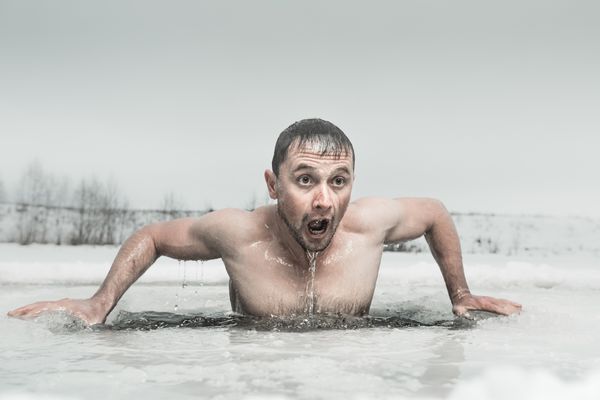
Fitness
- Fitness is the ability to meet or cope with the demands of the environment.
The Relationship Between Health and Fitness
If you are in a good state of fitness, you are more likely to be both physically and mentally healthy.

Advantages of good fitness
- Having good fitness levels allows you to cope with the daily demands of your environment.
- It also reduces the chances of being affected by illness.
- An increase in fitness can have a positive effect on health. This is because a fit person is less likely to become physically ill, more likely to feel happy and have a better chance of improving their social life.

Negative factors
- You can still become unwell (suffer from poor health), even if you are very fit.
- Ill health can negatively affect fitness. For example, a performer may be too unwell to train, which means they lose their fitness.
- An increase in fitness will not always stop you from becoming ill, so your health can still suffer.
1Applied Anatomy & Physiology
1.1The Musculoskeletal System
1.2The Cardio-Respiratory System
1.2.1Pathway of Air1.2.2Blood Vessels1.2.3Blood Vessels 21.2.4Structure of the Heart1.2.5Cardiac Cycle1.2.6Measures of Heart Performance1.2.7The Mechanics of Breathing1.2.8The Mechanics of Breathing 21.2.9The Lungs1.2.10End of Topic Test - The Cardio-Respiratory System1.2.11Exam-Style Questions - Cardio-Respiratory System1.2.12Diagnostic Misconceptions - Pathway of Blood1.2.13Diagnostic Misconceptions - Cardiac Output
1.3Anaerobic & Aerobic Exercise
1.4Short-Term Effects of Exercise
2Movement Analysis
2.1Lever Systems
3Physical Training
3.1Health & Fitness
3.2The Components of Fitness
3.2.1The Components of Fitness3.2.2Sports & Fitness3.2.3Fitness Testing3.2.4Measuring Agility & Balance3.2.5Measuring Cardiovascular & Coordination3.2.6Measuring Endurance & Power3.2.7Measuring Reaction Time & Strength3.2.8Measuring Strength, Speed & Flexibility3.2.9End of Topic Test - The Components of Fitness3.2.10Exam-Style Questions - Fitness Tests
4The Principles of Training
4.1Principles of Training
5Using Data
5.1Types of Data
5.2Data Presentation & Analysis
6Sports Psychology
6.2Feedback & Preparation
7Socio-cultural Influences
7.1Engagement Patterns of Different Social Groups
7.2Commercialisation
7.3Ethical & Socio-cultural Issues
7.3.1Impact of Technology on Performers7.3.2Impact of Technology on Performers 27.3.3Impact of Technology on Sport7.3.4Impact of Technology on Sport 27.3.5Sporting Conduct & Banned Substances7.3.6Blood Doping7.3.7Drug Restrictions7.3.8Drug Restrictions 27.3.9Spectator Behaviour7.3.10End of Topic Test - Ethical Issues7.3.11Exam-Style Questions - Performance Enhancing Drugs7.3.12Diagnostic Misconceptions - Conduct in Sport
8Health & Fitness
8.1Overview of Health
8.2Sedentary Lifestyles
Jump to other topics
1Applied Anatomy & Physiology
1.1The Musculoskeletal System
1.2The Cardio-Respiratory System
1.2.1Pathway of Air1.2.2Blood Vessels1.2.3Blood Vessels 21.2.4Structure of the Heart1.2.5Cardiac Cycle1.2.6Measures of Heart Performance1.2.7The Mechanics of Breathing1.2.8The Mechanics of Breathing 21.2.9The Lungs1.2.10End of Topic Test - The Cardio-Respiratory System1.2.11Exam-Style Questions - Cardio-Respiratory System1.2.12Diagnostic Misconceptions - Pathway of Blood1.2.13Diagnostic Misconceptions - Cardiac Output
1.3Anaerobic & Aerobic Exercise
1.4Short-Term Effects of Exercise
2Movement Analysis
2.1Lever Systems
3Physical Training
3.1Health & Fitness
3.2The Components of Fitness
3.2.1The Components of Fitness3.2.2Sports & Fitness3.2.3Fitness Testing3.2.4Measuring Agility & Balance3.2.5Measuring Cardiovascular & Coordination3.2.6Measuring Endurance & Power3.2.7Measuring Reaction Time & Strength3.2.8Measuring Strength, Speed & Flexibility3.2.9End of Topic Test - The Components of Fitness3.2.10Exam-Style Questions - Fitness Tests
4The Principles of Training
4.1Principles of Training
5Using Data
5.1Types of Data
5.2Data Presentation & Analysis
6Sports Psychology
6.2Feedback & Preparation
7Socio-cultural Influences
7.1Engagement Patterns of Different Social Groups
7.2Commercialisation
7.3Ethical & Socio-cultural Issues
7.3.1Impact of Technology on Performers7.3.2Impact of Technology on Performers 27.3.3Impact of Technology on Sport7.3.4Impact of Technology on Sport 27.3.5Sporting Conduct & Banned Substances7.3.6Blood Doping7.3.7Drug Restrictions7.3.8Drug Restrictions 27.3.9Spectator Behaviour7.3.10End of Topic Test - Ethical Issues7.3.11Exam-Style Questions - Performance Enhancing Drugs7.3.12Diagnostic Misconceptions - Conduct in Sport
8Health & Fitness
8.1Overview of Health
8.2Sedentary Lifestyles
Practice questions on Health & Fitness
Can you answer these? Test yourself with free interactive practice on Seneca — used by over 10 million students.
- 1
- 2Which of the following describes health?Multiple choice
- 3
- 4Which of the following is not caused by improved fitness?Multiple choice
- 5
Unlock your full potential with Seneca Premium
Unlimited access to 10,000+ open-ended exam questions
Mini-mock exams based on your study history
Unlock 800+ premium courses & e-books