2.3.4
Asceticism, Enlightenment & The Middle Way
Test your knowledge with free interactive questions on Seneca — used by over 10 million students.
Asceticism, Enlightenment & The Middle Way
When he left the palace, Siddhartha chose an ascetic life. He had few possessions, slept in basic shelters, and ate simple food. But this simple existence did not develop spiritual understanding.
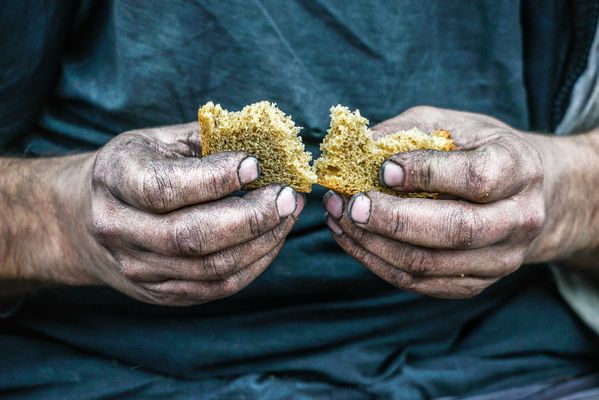
Simple life
- Siddhartha decided he must leave the palace to live a more spiritual life.
- He wanted to try to discover a way to prevent suffering.
- For six years he lived a life with no possessions and he surrounded himself with holy men who gave him advice.
- To try and answer his questions about suffering, he fasted and endured pain. But he was disappointed, and no answers came to him.

A new approach
- Siddhartha then tried a new approach by focusing his mind on big questions.
- He sat alone under a Bodhi tree and meditated for several days.
- Siddartha reflected on his early life and his experiences.
- He tried to purify his mind so that there were no distracting thoughts or temptations.

Enlightenment
- Finally, the answers he sought about suffering and existence began to come to him.
- We call this moment his enlightenment. The point when he suddenly saw the truth and understood.
- From that point onward, Siddhartha became known as the Buddha – the enlightened one.

The Middle Way
- One very important thing that the Buddha learned was the Middle Way.
- This means that it is best to avoid extremes.
- One example is that people should not live lives that are too comfortable, such as the one he led in the palace.
- But there is also no value in giving up basic comforts, as he did for a time with the holy men.

Lessons from the Middle Way
- Life lived between these two extremes is more likely to create inner peace.
- The Buddha taught that it is best to avoid being fixed in our ways.
- It is better to remain open minded, and willing to see things from different points of view.
1Year 7
1.1Origins of Abrahamic Faith
1.1.1Genesis1.1.2Noah & the Flood1.1.3The Importance of Noah1.1.4Abraham1.1.5The Covenant1.1.6Abraham's Sacrifice1.1.7Ibrahim's Sacrifice1.1.8Ibrahim & Hajar1.1.9Ibrahim & the Ka'aba1.1.10Isaac & Jacob1.1.11Moses & the Exodus1.1.12The Tabernacle1.1.13Leviticus & Sacrifice1.1.14Teachings in Leviticus1.1.15Jesus' Teachings1.1.16Jesus the Rebel1.1.17Jesus' Death & Resurrection1.1.18The Meaning of Jesus' Sacrifice1.1.19The Relationship Between Judaism & Christianity1.1.20The Ka'aba1.1.21The Prophet Muhammad
1.2Judaism
1.2.1The Nature of God1.2.2Creation1.2.3What Do Jews Believe?1.2.4Moses1.2.5Abraham & Moses1.2.6Tenakh & Talmud1.2.7Rabbis & Rabbinic Literature1.2.8The Jewish Scriptures - The Written Law1.2.9The Jewish Scriptures - The Oral Law1.2.10The Tradition of Discussion & Debate1.2.11Orthodox Judaism1.2.12Reform Judaism1.2.13The Daily Practices of Orthodox & Reform Jews1.2.14Morality & Living a Good Life1.2.15Ethical Duties of Jews1.2.16Prayer & Acts of Worship1.2.17Written & Oral Jewish Law1.2.18Afterlife1.2.19The First Temple1.2.20The Tabernacle's Journey & End1.2.21Orthodox & Reform Synagogues1.2.22The Daily Service1.2.23What is Shabbat?1.2.24Traditional Rituals for Shabbat1.2.25What is Pesach?1.2.26What is Yom Kippur?1.2.27How Have Jews Been Persecuted?1.2.28The Persecution of the Jews Throughout History1.2.29The Black Death1.2.30Antisemitism in Nazi Germany1.2.31Antisemitism in Nazi Germany 21.2.32The Holocaust1.2.33Genocide1.2.34How the Holocaust has Impacted the Jewish Identity1.2.35Holocaust Memorial1.2.36Global Diversity of Jews1.2.37Jewish Practices1.2.38Jewish Celebrations & Rituals
1.3Christianity
1.3.1The Nature of God1.3.2Creation1.3.3Roots in Judaism1.3.4Early Spread of the Faith1.3.5Roman Persecution1.3.6Morality & Living a Good Life1.3.7Afterlife1.3.8Prayer and Acts of Worship1.3.9Kinds of Prayer1.3.10The Nativity1.3.11Christian Beliefs about the Baby Jesus1.3.12Jesus' Ministry1.3.13The Sermon on the Mount1.3.14The Crucifixion1.3.15The Last Supper1.3.16The Resurrection1.3.17Christian Beliefs about the Resurrection1.3.18The Council of Nicaea1.3.19The Nicene Creed1.3.20Saint Augustine1.3.21Development of the Christian Church1.3.22Written Authority - The Bible1.3.23Interpretation of the Bible1.3.24Celebrations1.3.25Pilgrimage1.3.26Evangelism1.3.27Protestantism1.3.28The Reformation1.3.29Christianity Today1.3.30Faith Across the World1.3.31Evangelical Churches1.3.32The Future of Christianity
2Year 8
2.1Islam
2.2Hindu Dharma (Hinduism)
2.2.1The Origins of Hindu Dharma2.2.2The Vedic Traditions2.2.3The Term 'Hinduism'2.2.4Revelation & Tradition2.2.5The Vedas2.2.6The Bhagavad Gita2.2.7Brahman2.2.8Atman2.2.9Understanding the Self2.2.10Hindu Deities2.2.11The Nature of the Trimurti2.2.12Cyclical Nature2.2.13Karma2.2.14Santana Dharma & Varnashrama Dharma2.2.15Varna & Castes2.2.16Ahimsa2.2.17Mandir & Puja2.2.18Ramayana & Diwali2.2.19Namakarana & Birth Rituals2.2.20Hindu Funerals2.2.21Hindu Communities Across the World2.2.22Yoga2.2.23Alexander the Great & The Mauryan Empire2.2.24British Colonialism & Gandhi
2.3Buddhism
2.3.1Roots in Hindu Dharma2.3.2Siddhartha Gautama2.3.3Siddhartha's Four Sights2.3.4Asceticism, Enlightenment & The Middle Way2.3.5Buddha's Authority & Personal Experience2.3.6Core Belief2.3.7The Three Marks of Existence2.3.8Cyclical Time2.3.9The Four Noble Truths - Dukkha and Samudaya2.3.10The Four Noble Truths - Nirhoda and Magga2.3.11The Buddha’s Noble Eightfold Path to Enlightenment2.3.12Karma, Samsara & Nirvana2.3.13The Three Jewels2.3.14The Five Precepts2.3.15Meditation2.3.16Theravada & Mahayana Buddhisms2.3.17Puja2.3.18Buddhism in the UK and Across the World
2.4Sikhi
2.5Atheism
2.5.1Where Did Atheism Come From?2.5.2The Impact of Scientific Developments2.5.3Plato's Cave2.5.4Challenging the Bible2.5.5The Enlightenment2.5.6Evolution2.5.7Evolution & Religion2.5.8Morality & God2.5.9Morality Without God2.5.10Frederick Nietzsche - How to Live Without Religion2.5.11Militant Atheism2.5.12Humanism2.5.13The Future of Atheism
2.6Philosophy of Religion
2.6.1Who is God?2.6.2Theists, Atheists & Agnostics2.6.3Faith & Empiricism2.6.4The Design Argument2.6.5Is The Design Argument Convincing?2.6.6The Cosmological Argument2.6.7Criticisms of The Cosmological Argument2.6.8The Problem of Evil2.6.9Free Will Theodicy2.6.10Soul-Making Theodicy2.6.11Religious Experience2.6.12Types of Religious Experience2.6.13Criticisms of Religious Experience
3Year 9
3.1Introduction to Ethics
3.1.1The Trolley Problem3.1.2R v Dudley & Stevens3.1.3St Thomas Aquinas & Natural Moral Law3.1.4Criticisms of Natural Moral Law3.1.5Situation Ethics3.1.6Criticisms of Situation Ethics3.1.7Criticisms of Situation Ethics3.1.8Revelation as a Source of Morality3.1.9Humanist Morality3.1.10Utilitarianism3.1.11Criticisms & Strengths of Utilitarianism
3.2Life & Death
3.3Extremism
3.3.1What Does Extremism Mean?3.3.2Extremism Explained3.3.3Why do People Become Extremists?3.3.4Why do People Become Extremists? 23.3.5What are Conspiracy Theories?3.3.6Why do People Believe Conspiracy Theories?3.3.7What is Anti-Semitism?3.3.8Anti-Semitic Stereotyping3.3.9The Holocaust3.3.10After the Holocaust3.3.11Religious Fundamentalism3.3.12The Problem of Fundamentalism3.3.13Nationalism3.3.14Nationalism & Extremism3.3.15What is a Terrorist?3.3.16Political & Religious Terrorism3.3.17Free Speech & Hate Speech3.3.18Hate Speech3.3.19How do we Fight Extremism?3.3.20How do we Fight Extremism? 2
3.4Equality
3.4.1Introduction to Equality3.4.2Is the UK an Equal Society?3.4.3Religion & Equality3.4.4Interpreting the Scripture3.4.5Racism & Scripture3.4.6Scripture Against Racism3.4.7The Fight for Racial Equality3.4.8Gender Equality & Scripture3.4.9Gender Equality; Women in Worship3.4.10LGBTQ+ Matters3.4.11The Fight for LGBTQ+ Equality3.4.12Disability Matters3.4.13The Fight for Disability Equality
4Additional Concepts
4.1Non-Religious People in the UK
4.2Believing in God Oustide of Religion
Jump to other topics
1Year 7
1.1Origins of Abrahamic Faith
1.1.1Genesis1.1.2Noah & the Flood1.1.3The Importance of Noah1.1.4Abraham1.1.5The Covenant1.1.6Abraham's Sacrifice1.1.7Ibrahim's Sacrifice1.1.8Ibrahim & Hajar1.1.9Ibrahim & the Ka'aba1.1.10Isaac & Jacob1.1.11Moses & the Exodus1.1.12The Tabernacle1.1.13Leviticus & Sacrifice1.1.14Teachings in Leviticus1.1.15Jesus' Teachings1.1.16Jesus the Rebel1.1.17Jesus' Death & Resurrection1.1.18The Meaning of Jesus' Sacrifice1.1.19The Relationship Between Judaism & Christianity1.1.20The Ka'aba1.1.21The Prophet Muhammad
1.2Judaism
1.2.1The Nature of God1.2.2Creation1.2.3What Do Jews Believe?1.2.4Moses1.2.5Abraham & Moses1.2.6Tenakh & Talmud1.2.7Rabbis & Rabbinic Literature1.2.8The Jewish Scriptures - The Written Law1.2.9The Jewish Scriptures - The Oral Law1.2.10The Tradition of Discussion & Debate1.2.11Orthodox Judaism1.2.12Reform Judaism1.2.13The Daily Practices of Orthodox & Reform Jews1.2.14Morality & Living a Good Life1.2.15Ethical Duties of Jews1.2.16Prayer & Acts of Worship1.2.17Written & Oral Jewish Law1.2.18Afterlife1.2.19The First Temple1.2.20The Tabernacle's Journey & End1.2.21Orthodox & Reform Synagogues1.2.22The Daily Service1.2.23What is Shabbat?1.2.24Traditional Rituals for Shabbat1.2.25What is Pesach?1.2.26What is Yom Kippur?1.2.27How Have Jews Been Persecuted?1.2.28The Persecution of the Jews Throughout History1.2.29The Black Death1.2.30Antisemitism in Nazi Germany1.2.31Antisemitism in Nazi Germany 21.2.32The Holocaust1.2.33Genocide1.2.34How the Holocaust has Impacted the Jewish Identity1.2.35Holocaust Memorial1.2.36Global Diversity of Jews1.2.37Jewish Practices1.2.38Jewish Celebrations & Rituals
1.3Christianity
1.3.1The Nature of God1.3.2Creation1.3.3Roots in Judaism1.3.4Early Spread of the Faith1.3.5Roman Persecution1.3.6Morality & Living a Good Life1.3.7Afterlife1.3.8Prayer and Acts of Worship1.3.9Kinds of Prayer1.3.10The Nativity1.3.11Christian Beliefs about the Baby Jesus1.3.12Jesus' Ministry1.3.13The Sermon on the Mount1.3.14The Crucifixion1.3.15The Last Supper1.3.16The Resurrection1.3.17Christian Beliefs about the Resurrection1.3.18The Council of Nicaea1.3.19The Nicene Creed1.3.20Saint Augustine1.3.21Development of the Christian Church1.3.22Written Authority - The Bible1.3.23Interpretation of the Bible1.3.24Celebrations1.3.25Pilgrimage1.3.26Evangelism1.3.27Protestantism1.3.28The Reformation1.3.29Christianity Today1.3.30Faith Across the World1.3.31Evangelical Churches1.3.32The Future of Christianity
2Year 8
2.1Islam
2.2Hindu Dharma (Hinduism)
2.2.1The Origins of Hindu Dharma2.2.2The Vedic Traditions2.2.3The Term 'Hinduism'2.2.4Revelation & Tradition2.2.5The Vedas2.2.6The Bhagavad Gita2.2.7Brahman2.2.8Atman2.2.9Understanding the Self2.2.10Hindu Deities2.2.11The Nature of the Trimurti2.2.12Cyclical Nature2.2.13Karma2.2.14Santana Dharma & Varnashrama Dharma2.2.15Varna & Castes2.2.16Ahimsa2.2.17Mandir & Puja2.2.18Ramayana & Diwali2.2.19Namakarana & Birth Rituals2.2.20Hindu Funerals2.2.21Hindu Communities Across the World2.2.22Yoga2.2.23Alexander the Great & The Mauryan Empire2.2.24British Colonialism & Gandhi
2.3Buddhism
2.3.1Roots in Hindu Dharma2.3.2Siddhartha Gautama2.3.3Siddhartha's Four Sights2.3.4Asceticism, Enlightenment & The Middle Way2.3.5Buddha's Authority & Personal Experience2.3.6Core Belief2.3.7The Three Marks of Existence2.3.8Cyclical Time2.3.9The Four Noble Truths - Dukkha and Samudaya2.3.10The Four Noble Truths - Nirhoda and Magga2.3.11The Buddha’s Noble Eightfold Path to Enlightenment2.3.12Karma, Samsara & Nirvana2.3.13The Three Jewels2.3.14The Five Precepts2.3.15Meditation2.3.16Theravada & Mahayana Buddhisms2.3.17Puja2.3.18Buddhism in the UK and Across the World
2.4Sikhi
2.5Atheism
2.5.1Where Did Atheism Come From?2.5.2The Impact of Scientific Developments2.5.3Plato's Cave2.5.4Challenging the Bible2.5.5The Enlightenment2.5.6Evolution2.5.7Evolution & Religion2.5.8Morality & God2.5.9Morality Without God2.5.10Frederick Nietzsche - How to Live Without Religion2.5.11Militant Atheism2.5.12Humanism2.5.13The Future of Atheism
2.6Philosophy of Religion
2.6.1Who is God?2.6.2Theists, Atheists & Agnostics2.6.3Faith & Empiricism2.6.4The Design Argument2.6.5Is The Design Argument Convincing?2.6.6The Cosmological Argument2.6.7Criticisms of The Cosmological Argument2.6.8The Problem of Evil2.6.9Free Will Theodicy2.6.10Soul-Making Theodicy2.6.11Religious Experience2.6.12Types of Religious Experience2.6.13Criticisms of Religious Experience
3Year 9
3.1Introduction to Ethics
3.1.1The Trolley Problem3.1.2R v Dudley & Stevens3.1.3St Thomas Aquinas & Natural Moral Law3.1.4Criticisms of Natural Moral Law3.1.5Situation Ethics3.1.6Criticisms of Situation Ethics3.1.7Criticisms of Situation Ethics3.1.8Revelation as a Source of Morality3.1.9Humanist Morality3.1.10Utilitarianism3.1.11Criticisms & Strengths of Utilitarianism
3.2Life & Death
3.3Extremism
3.3.1What Does Extremism Mean?3.3.2Extremism Explained3.3.3Why do People Become Extremists?3.3.4Why do People Become Extremists? 23.3.5What are Conspiracy Theories?3.3.6Why do People Believe Conspiracy Theories?3.3.7What is Anti-Semitism?3.3.8Anti-Semitic Stereotyping3.3.9The Holocaust3.3.10After the Holocaust3.3.11Religious Fundamentalism3.3.12The Problem of Fundamentalism3.3.13Nationalism3.3.14Nationalism & Extremism3.3.15What is a Terrorist?3.3.16Political & Religious Terrorism3.3.17Free Speech & Hate Speech3.3.18Hate Speech3.3.19How do we Fight Extremism?3.3.20How do we Fight Extremism? 2
3.4Equality
3.4.1Introduction to Equality3.4.2Is the UK an Equal Society?3.4.3Religion & Equality3.4.4Interpreting the Scripture3.4.5Racism & Scripture3.4.6Scripture Against Racism3.4.7The Fight for Racial Equality3.4.8Gender Equality & Scripture3.4.9Gender Equality; Women in Worship3.4.10LGBTQ+ Matters3.4.11The Fight for LGBTQ+ Equality3.4.12Disability Matters3.4.13The Fight for Disability Equality
4Additional Concepts
4.1Non-Religious People in the UK
4.2Believing in God Oustide of Religion
Practice questions on Asceticism, Enlightenment & The Middle Way
Can you answer these? Test yourself with free interactive practice on Seneca — used by over 10 million students.
- 1What is a lesson from The Middle Way?Multiple choice
- 2
- 3What is the significance of Siddhartha's enlightenment?Multiple choice
- 4
- 5Why is meditation important in Buddhism?Multiple choice
Unlock your full potential with Seneca Premium
Unlimited access to 10,000+ open-ended exam questions
Mini-mock exams based on your study history
Unlock 800+ premium courses & e-books