17.1.2
Measuring Crime
Test your knowledge with free interactive questions on Seneca — used by over 10 million students.
Measuring Crime: Official Statistics
There are three different methods for measuring crime: official statistics, offender surveys and victim surveys. All three have advantages and disadvantages.
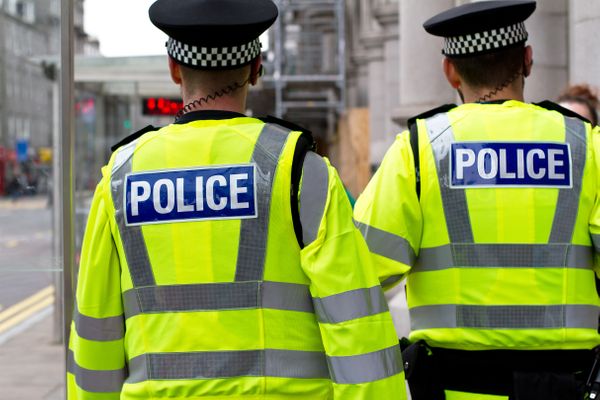
Official statistics
- Official statistics on crime are published by various sources, including the UK government, the police, and the justice system.
- These statistics have had a long history in the UK. They were first published in 1805.
- This is useful as researchers, the government, and the general public can look at how crime has trended over time.

Limitations of official statistics
- One disadvantage of these statistics is that they are not always accurate.
- This is because they rely on crime that is actually reported and recorded by these official bodies.
- There are many crimes that go undetected, unreported and unrecorded.
- These crimes are collectively referred to as the dark figure of crime.

Farrington and Dowds (1985)
- Farrington and Dowds (1985) compared statistics between Nottingham and two nearby counties.
- They found that crime rates were higher in Nottingham, though the reason was that the police recorded all crimes, including petty (vandalism, theft, etc.).
- Other counties did not record these petty crimes, so their crime rates appeared much lower.
Measuring Crime: Offender Surveys
There are three different methods for measuring crime: official statistics, offender surveys and victim surveys. All three have advantages and disadvantages.

Offender surveys
- Offender surveys look at the offender of the crime: the actual people who committed the crimes themselves.
- By doing these sort of surveys, police and governments can have a better understanding of victimless crime.

Victimless crime
- Victimless crime is where there is no other victim to the crime besides the offender.
- E.g. underage drinking and illegal drug consumption.
- These offenders are not often caught by the police, so the crimes go unreported.

Offending, Crime and Justice Survey
- The Offending, Crime and Justice Survey is an example of an offender survey.
- The survey asks 10 to 25 year olds in the UK whether or not they have participated in illicit activities such as shoplifting, underage drinking, or theft.
- The survey also looks at other issues such as domestic violence and bullying.

Limitations of offender surveys
- Offender surveys are self-reported, which can lead to exaggeration or minimisation of crimes.
- They can be biased if they only look at only certain types of crime and people.
- People may also only disclose certain types of crime they have committed.
- For example, they may feel comfortable saying they committed a victimless crime like underage drinking but not report that they have committed theft.
Measuring Crime: Victim Surveys
There are three different methods for measuring crime: official statistics, offender surveys and victim surveys. All three have advantages and disadvantages.

Victim surveys
- Victim surveys ask questions of the victims of crimes.
- But as Farrington and Dowds (1985) discovered, not all crimes go reported.

Strengths of victim surveys
- Sometimes, the police do not report crime they deem unworthy of reporting.
- So victim surveys can give a more accurate picture of crime that is committed.
- This is a strength of victim surveys.

Example victim survey
- The primary survey of this type is the Crime Survey for England and Wales.

Limitations of victim surveys
- There are two weaknesses of victim surveys.
- Just like offender surveys, victim surveys can be biased, exaggerated or minimised because they are self-reported.
- As well, our memory is not perfect, so this can also lead to faulty or biased reporting.
- The survey does not look at impersonal crimes which affect more than one individual, such as fraud or other ‘white-collar’ crimes.
1Social Influence
1.1Social Influence
2Memory
2.1Memory
3Attachment
3.1Attachment
4(2026 Exams) Psychopathology
4.1Psychopathology
5(2027 Exams) Clinical Psychology & Mental Health
5.1Clinical Psychology & Mental Health
6Approaches in Psychology
6.1Approaches in Psychology
6.2Comparison of Approaches (A2 only)
7Biopsychology
7.1Biopsychology
8Research Methods
8.1Research Methods
8.2Scientific Processes
8.3Data Handling & Analysis
9Issues & Debates in Psychology (A2 only)
9.1Issues & Debates in Psychology (A2 only)
10Option 1: Relationships (A2 only)
10.1Relationships: Sexual Relationships (A2 only)
10.2Relationships: Romantic Relationships (A2 only)
10.3(2026 Exams) Relationships: Virtual (A2 only)
10.4(2027 Exams) Relationships: Online (A2 only)
11Option 1: Gender (A2 only)
11.1(2026 Exams) Gender (A2 only)
11.2(2027 Exams) Gender (A2 only)
12Option 1: Cognition & Development (A2 only)
12.1Cognition & Development (A2 only)
13Option 2: Schizophrenia (A2 only)
13.1Schizophrenia: Diagnosis (A2 only)
13.2Schizophrenia: Treatment (A2 only)
14Option 2: Eating Behaviour (A2 only)
14.1Eating Behaviour (A2 only)
15Option 2: Stress (A2 only)
15.1Stress (A2 only)
16Option 3: Aggression (A2 only)
16.1Aggression: Physiological (A2 only)
16.2Aggression: Social Psychological (A2 only)
17Option 3: Forensic Psychology (A2 only)
17.1Forensic Psychology (A2 only)
18Option 3: Addiction (A2 only)
18.1Addiction (A2 only)
18.2Treating Addiction (A2 only)
Jump to other topics
1Social Influence
1.1Social Influence
2Memory
2.1Memory
3Attachment
3.1Attachment
4(2026 Exams) Psychopathology
4.1Psychopathology
5(2027 Exams) Clinical Psychology & Mental Health
5.1Clinical Psychology & Mental Health
6Approaches in Psychology
6.1Approaches in Psychology
6.2Comparison of Approaches (A2 only)
7Biopsychology
7.1Biopsychology
8Research Methods
8.1Research Methods
8.2Scientific Processes
8.3Data Handling & Analysis
9Issues & Debates in Psychology (A2 only)
9.1Issues & Debates in Psychology (A2 only)
10Option 1: Relationships (A2 only)
10.1Relationships: Sexual Relationships (A2 only)
10.2Relationships: Romantic Relationships (A2 only)
10.3(2026 Exams) Relationships: Virtual (A2 only)
10.4(2027 Exams) Relationships: Online (A2 only)
11Option 1: Gender (A2 only)
11.1(2026 Exams) Gender (A2 only)
11.2(2027 Exams) Gender (A2 only)
12Option 1: Cognition & Development (A2 only)
12.1Cognition & Development (A2 only)
13Option 2: Schizophrenia (A2 only)
13.1Schizophrenia: Diagnosis (A2 only)
13.2Schizophrenia: Treatment (A2 only)
14Option 2: Eating Behaviour (A2 only)
14.1Eating Behaviour (A2 only)
15Option 2: Stress (A2 only)
15.1Stress (A2 only)
16Option 3: Aggression (A2 only)
16.1Aggression: Physiological (A2 only)
16.2Aggression: Social Psychological (A2 only)
17Option 3: Forensic Psychology (A2 only)
17.1Forensic Psychology (A2 only)
18Option 3: Addiction (A2 only)
18.1Addiction (A2 only)
18.2Treating Addiction (A2 only)
Practice questions on Measuring Crime
Can you answer these? Test yourself with free interactive practice on Seneca — used by over 10 million students.
- 1Which is NOT a publisher of official statistics?Multiple choice
- 2There are three different methods for measuring crime: Fill in the list
- 3
- 4
- 5What is an example of victimless crime?Multiple choice
Unlock your full potential with Seneca Premium
Unlimited access to 10,000+ open-ended exam questions
Mini-mock exams based on your study history
Unlock 800+ premium courses & e-books