13.2.1
Family-Based Psychological Explanations
Test your knowledge with free interactive questions on Seneca — used by over 10 million students.
Introduction to Family-Based Explanations
Psychological explanations focus on the psychological environment and abnormal cognitions, such as family relations, communication patterns, and thought processes involved in the experience of schizophrenia.

Family dysfunction
- Family dysfunction studies investigate the link between schizophrenia and childhood and adult experiences of living in a dysfunctional family.

Theory of expressed emotion
- The theory of expressed emotion (EE) highlights the impact of negative environments (hostile or critical) on schizophrenic patients.
- If family/carers direct high levels of negative expressed emotion towards the patient, this can place the patient under a great deal of stress.
- This situation correlated to relapses in schizophrenic patients after being discharged. Vaughn and Leff (1967).
- But stress might also be a contributory factor in the initial onset of schizophrenia.
Family-Based Explanations - The Schizophrenogenic Mother
Frieda Fromm-Reichmann (1948) proposed the theory of the schizophrenogenic mother.
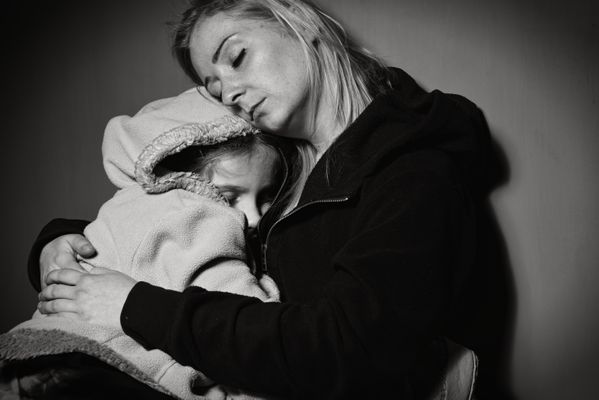
Frieda Fromm-Reichmann (1948)
- Frieda Fromm-Reichmann (1948) proposed the theory of the schizophrenogenic mother.
- The theory is based on reports from her own patients about their childhoods and their relationship with their mothers.

Results of Fromm-Reichmann (1948)
- Many of Fromm-Reichmann’s (1948) patients spoke of cold, rejecting and controlling mothers and a family climate characterised by tension and secrecy.
- She referred to these mothers as schizophrenogenic, meaning schizophrenia causing.
- Schizophrenogenic mothering leads to distrust that can later develop into paranoid delusions and, ultimately, schizophrenia.
Family-Based Explanations - The Double-Bind Theory
Bateson et al. (1972) proposed the double-bind theory.

Importance of communication patterns
- Bateson et al. (1972) proposed the double-bind theory.
- They agreed with Fromm-Reichmann (1948) that the family climate was a factor in the development of schizophrenia.
- But they placed greater emphasis on the role of communication patterns.

Fear of doing wrong
- Double-bind theory proposed that developing children often find themselves in situations where they fear doing the wrong thing, but receive mixed messages about what this is. They feel unable to comment on the unfairness of the situation or to seek clarification.

Belief in a confusing world
- Double-bind theory suggests that, when the child is punished for getting things wrong by the parent withdrawing love, the child is left with a belief in a world that is confusing and dangerous.
- This results in symptoms such as disorganised thinking and paranoid delusions.

Risk factor, not cause
- Bateson (1972) emphasised that such patterns of communication were not the main type of communication, and that the double-bind represented a risk factor, not a cause of schizophrenia.
1Social Influence
1.1Social Influence
1.1.1(2026 Exams) Conformity1.1.2(2027 Exams) Conformity1.1.3(2027 Exams) Jenness' Conformity Study1.1.4Asch (1951)1.1.5Sherif (1935)1.1.6(2026 Exams) Conformity to Social Roles1.1.7(2027 Exams) Conformity to Social Roles1.1.8(2026 Exams) BBC Prison Study1.1.9(2026 Exams) End of Topic Test - Conformity1.1.10(2027 Exams) End of Topic Test - Conformity1.1.11Obedience1.1.12Analysing Milgram's Experiment1.1.13Agentic State & Legitimate Authority1.1.14Variables of Obedience1.1.15Resistance to Social Influence1.1.16(2026 Exams) Minority Influence & Social Change1.1.17(2027 Exams) Minority Influence & Social Change1.1.18Minority Influence & Social Impact Theory1.1.19End of Topic Test - Social Influences1.1.20Exam-Style Question - Conformity1.1.21Top Grade AO2/AO3 - Social Influence
2Memory
2.1Memory
2.1.1Multi-Store Model of Memory2.1.2Short-Term vs Long-Term Memory2.1.3(2026 Exam) Long-Term Memory2.1.4Support for the Multi-Store Model of Memory2.1.5Duration Studies2.1.6Capacity Studies2.1.7Coding Studies2.1.8The Working Memory Model2.1.9The Working Memory Model 22.1.10Support for the Working Memory Model2.1.11Explanations for Forgetting2.1.12Studies on Interference2.1.13Cue-Dependent Forgetting2.1.14Eyewitness Testimony - Loftus & Palmer2.1.15Eyewitness Testimony - Loftus2.1.16Eyewitness Testimony - Post-Event Discussion2.1.17Eyewitness Testimony - Age & Anxiety2.1.18Cognitive Interview2.1.19Cognitive Interview - Geiselman & Fisher2.1.20End of Topic Test - Memory2.1.21Exam-Style Question - Memory2.1.22(2026 Exam) A-A* (AO3/4) - Memory
3Attachment
3.1Attachment
3.1.1(2026 Exams) Caregiver-Infant Interaction3.1.2(2026 Exams) Condon & Sander (1974)3.1.3(2026 Exams) Schaffer & Emerson (1964)3.1.4(2026 Exams) Multiple Attachments3.1.5(2026 Exams) Studies on the Role of the Father3.1.6(2027 Exams) The Concept of Attachment3.1.7Animal Studies of Attachment3.1.8Explanations of Attachment3.1.9Attachment Types - Strange Situation3.1.10Cultural Differences in Attachment3.1.11Disruption of Attachment3.1.12Disruption of Attachment - Privation3.1.13Overcoming the Effects of Disruption3.1.14(2026 Exam) The Effects of Institutionalisation3.1.15(2027 Exam) The Effects of Institutionalisation3.1.16Early Attachment3.1.17Critical Period of Attachment3.1.18(2026 Exam) End of Topic Test - Attachment3.1.19(2027 Exam) End of Topic Test - Attachment3.1.20(2026 Exams) Exam-Style Question - Attachment3.1.21(2027 Exams) Exam-Style Question - Attachment3.1.22Top Grade AO2/AO3 - Attachment
4(2026 Exams) Psychopathology
4.1Psychopathology
4.1.1Abnormality4.1.2Abnormality 24.1.3Phobias, Depression & OCD4.1.4Phobias: Behavioural Approach4.1.5Evaluation of Behavioural Explanations of Phobias4.1.6Depression: Cognitive Approach4.1.7OCD: Biological Approach4.1.8Evidence for the Biological Approach4.1.9End of Topic Test - Psychopathy4.1.10Exam-Style Question - Phobias4.1.11Top Grade AO2/AO3 - Psychopathology4.1.12Diagnostic Misconceptions - Phobia vs Fear4.1.13Diagnostic Misconceptions - Depression & Self-Harm4.1.14Diagnostic Misconceptions - Desensitisation
5(2027 Exams) Clinical Psychology & Mental Health
5.1Clinical Psychology & Mental Health
5.1.1Deviation from Social Norms5.1.2Deviation from Social Norms 25.1.3Phobias, Depression & OCD5.1.4Phobias: Behavioural Approach5.1.5Evaluation of Behavioural Explanations of Phobias5.1.6Depression: Cognitive Approach5.1.7OCD: Biological Approach5.1.8Evidence for the Biological Approach5.1.9End of Topic Test - Psychopathy5.1.10Exam-Style Question - Phobias5.1.11Top Grade AO2/AO3 - Psychopathology5.1.12Diagnostic Misconceptions - Phobia vs Fear5.1.13Diagnostic Misconceptions - Depression & Self-Harm5.1.14Diagnostic Misconceptions - Desensitisation
6Approaches in Psychology
6.1Approaches in Psychology
6.1.1(2026 Exams) Psychology as a Science6.1.2(2026 Exams) Origins of Psychology6.1.3(2026 Exams) Problems with Introspection6.1.4The Behaviourist Approach - Classical Conditioning6.1.5Pavlov's Experiment6.1.6Little Albert Study6.1.7The Behaviourist Approach - Operant Conditioning6.1.8(2026 Exams) Social Learning Theory6.1.9(2026 Exam) The Cognitive Approach 16.1.10(2026 Exams)The Cognitive Approach 26.1.11(2026 Exams) The Biological Approach6.1.12(2027 Exams) Social Learning Theory6.1.13(2027 Exams) The Cognitive Approach 16.1.14(2027 Exams)The Cognitive Approach 26.1.15(2027 Exams) The Biological Approach6.1.16(2027 Exam) The Biological Approach 26.1.17Gottesman (1991) - Twin Studies6.1.18Brain Scanning6.1.19Structure of Personality & Little Hans6.1.20The Psychodynamic Approach (A2 only)6.1.21(2026 Exams) Humanistic Psychology (A2 only)6.1.22(2027 Exams) Humanistic Psychology (A2 only)6.1.23Aronoff (1957) (A2 Only)6.1.24(2026 Exam) Rogers' Client-Centred Therapy A2 only6.1.25(2026 Exam) Exam-Style Question - Approaches6.1.26(2026 Exam) End of Topic Test - Approaches6.1.27(2027 Exam) End of Topic Test - Approaches
6.2Comparison of Approaches (A2 only)
7Biopsychology
7.1Biopsychology
7.1.1Nervous System Divisions7.1.2Neuron Structure & Function7.1.3Neurotransmitters7.1.4Endocrine System Function7.1.5Fight or Flight Response7.1.6The Brain (A2 only)7.1.7Localisation of Brain Function (A2 only)7.1.8(2026 Exam) Studying the Brain (A2 only)7.1.9(2026 Exam) CIMT (A2 Only) & Postmortem7.1.10(2027 Exam) Studying the Brain (A2 only)7.1.11(2027 Exam) CIMT (A2 Only) & Postmortem7.1.12(2026 Exams) Biological Rhythms (A2 only)7.1.13(2026 Exams) Studies on Biological Rhythms (A2)7.1.14Top Grade AO2/AO3 - Biopsychology7.1.15Diagnostic Misconceptions - Plasticity & Recovery7.1.16Diagnostic Misconceptions - Endogenous Pacemakers7.1.17(2026 Exams) End of Topic Test - Biopsychology7.1.18(2027 Exams) End of Topic Test - Biopsychology
8Research Methods
8.1Research Methods
8.1.1Experimental Method8.1.2Observational Techniques8.1.3Covert, Overt & Controlled Observation8.1.4Self-Report Techniques8.1.5Correlations8.1.6Exam-Style Question - Research Methods8.1.7Diagnostic Misconceptions - Sign Test8.1.8Diagnostic Misconceptions - Content & Thematic8.1.9Diagnostic Misconceptions - Valid vs Reliable8.1.10Diagnostic Misconceptions - Confounding Variable8.1.11End of Topic Test - Research Methods
8.2Scientific Processes
8.2.1(2026 Exam) Aims, Hypotheses & Sampling8.2.2(2027 Exam) Aims, Hypotheses & Sampling8.2.3Pilot Studies & Design8.2.4Questionnaires8.2.5(2026 Exam) Variables & Control8.2.6(2027 Exam) Variables & Control8.2.7Demand Characteristics & Investigator Effects8.2.8Ethics8.2.9Limitations of Ethical Guidelines8.2.10Consent & Protection from Harm Studies8.2.11Peer Review & The Economy8.2.12(2026 Exams) Validity (A2 only)8.2.13(2026 Exams) Reliability (A2 only)8.2.14(2027 Exams) Validity (A2 only)8.2.15(2027 Exams) Reliability (A2 only)8.2.16Features of Science (A2 only)8.2.17Paradigms & Falsifiability (A2 only)8.2.18Scientific Report (A2 only)8.2.19Scientific Report 2 (A2 only)8.2.20(2026 Exams) End of Topic Test - Scientific8.2.21(2027 Exams) End of Topic Test - Scientific
8.3Data Handling & Analysis
8.3.1Types of Data8.3.2Descriptive Statistics8.3.3Correlation8.3.4Evaluation of Descriptive Statistics8.3.5Presentation & Display of Data8.3.6Levels of Measurement (A2 only)8.3.7(2026 Exams) Content Analysis (A2 only)8.3.8(2027 Exams) Coding in Content Analysis (A2 only)8.3.9Case Studies (A2 only)8.3.10(2026 Exams) Thematic Analysis (A2 only)8.3.11(2026 Exams) End of Topic Test - Data Handling8.3.12(2027 Exams) End of Topic Test - Data Handling
9Issues & Debates in Psychology (A2 only)
9.1Issues & Debates in Psychology (A2 only)
9.1.1Culture Bias9.1.2Sub-Culture Bias9.1.3Gender Bias9.1.4Ethnocentrism9.1.5Cross Cultural Research9.1.6Free Will & Determinism9.1.7Comparison of Free Will & Determinism9.1.8Reductionism & Holism9.1.9Reductionist & Holistic Approaches9.1.10Nature-Nurture Debate9.1.11Interactionist Approach9.1.12Nature-Nurture Methods9.1.13Nature-Nurture Approaches9.1.14Idiographic & Nomothetic Approaches9.1.15Socially Sensitive Research9.1.16End of Topic Test - Issues and Debates
10Option 1: Relationships (A2 only)
10.1Relationships: Sexual Relationships (A2 only)
10.1.1(2026 Exams) Sexual Selection10.1.2(2026 Exams) Intersexual & Intrasexual10.1.3(2026 Exams) Evaluation of Sexual Selection10.1.4Factors Affecting Attraction: Self-Disclosure10.1.5Evaluation of Self-Disclosure Theory10.1.6Factors Affecting Attraction: Physical Attributes10.1.7Matching Hypothesis Studies10.1.8Factors Affecting Physical Attraction10.1.9Factors Affecting Attraction: Filter Theory 110.1.10Factors Affecting Attraction: Filter Theory 210.1.11Evaluation of Filter Theory10.1.12(2026 Exams) End of Topic Test - Relationships10.1.13(2027 Exams) End of Topic Test - Relationships
10.2Relationships: Romantic Relationships (A2 only)
10.2.1Social Exchange Theory10.2.2Evaluation of Social Exchange Theory10.2.3Equity Theory10.2.4Evaluation of Equity Theory10.2.5Rusbult’s Investment Model10.2.6Evaluation of Rusbult's Investment Model10.2.7Relationship Breakdown10.2.8Studies on Relationship Breakdown10.2.9Evaluation of Relationship Breakdown10.2.10End of Topic Test - Romantic relationships
10.3(2026 Exams) Relationships: Virtual (A2 only)
10.3.1Virtual Relationships in Social Media10.3.2Evaluation of Reduced Cues & Hyperpersonal10.3.3Self Disclosure in Computer Communication10.3.4Parasocial Relationships10.3.5Attachment Theory & Parasocial Relationships10.3.6Evaluation of Parasocial Relationship Theories10.3.7End of Topic Test - Virtual & Parasocial Realtions
10.4(2027 Exams) Relationships: Online (A2 only)
11Option 1: Gender (A2 only)
11.1(2026 Exams) Gender (A2 only)
11.1.1Sex, Gender & Androgyny11.1.2Gender Identity Disorder11.1.3Biological & Social Explanations of GID11.1.4Biological Influences on Gender11.1.5Effects of Hormones on Gender11.1.6Kohlberg’s Theory of Gender Constancy11.1.7Evaluation of Kohlberg's Theory11.1.8Gender Schema Theory11.1.9Psychodynamic Approach to Gender Development 111.1.10Psychodynamic Approach to Gender Development 211.1.11Social Approach to Gender Development11.1.12Criticisms of Social Theory11.1.13Media Influence on Gender Development11.1.14Cross Cultural Research11.1.15Childcare & Gender Roles11.1.16End of Topic Test - Gender 111.1.17End of Topic Test - Gender 211.1.18End of Topic Test - Gender 3
11.2(2027 Exams) Gender (A2 only)
11.2.1Biological Sex11.2.2The Role of Hormones in Biological Sex11.2.3Biological Explanations of Gender Development11.2.4Gender Identities & BSRI11.2.5Kohlberg’s Theory of Gender Constancy11.2.6Evaluation of Kohlberg's Theory11.2.7Gender Schema Theory11.2.8Social Approach to Gender Development11.2.9Criticisms of Social Theory11.2.10Media Influence on Gender Development11.2.11Gender Incongruence11.2.12End of Topic Test - Gender
12Option 1: Cognition & Development (A2 only)
12.1Cognition & Development (A2 only)
12.1.1Piaget’s Theory of Cognitive Development 112.1.2Piaget's Theory of Cognitive Development 212.1.3Schema Accommodation Assimilation & Equilibration12.1.4Piaget & Inhelder’s Three Mountains Task (1956)12.1.5Conservation & Class Inclusion12.1.6Evaluation of Piaget12.1.7Vygotsky12.1.8Evaluation of Vygotsky12.1.9Baillargeon12.1.10Baillargeon's studies12.1.11Evaluation of Baillargeon12.1.12(2026 Exams) Sense of Self & Theory of Mind12.1.13(2027 Exams) Sense of Self & Theory of Mind12.1.14(2026 Exams) Baron-Cohen Studies12.1.15(2027 Exams) Baron-Cohen Studies12.1.16Selman’s Five Levels of Perspective Taking12.1.17Biological Basis of Social Cognition12.1.18Evaluation of Biological Basis of Social Cognition12.1.19(2026 Exams) Issues in Social Neuroscience12.1.20(2027 Exams) Issues in Social Neuroscience12.1.21Top Grade AO2/AO3 - Cognition & Development12.1.22End of Topic Test - Cognition & Development 112.1.23End of Topic Test - Cognition & Development 212.1.24(2026 Exams) End of Topic Test - Cognition 312.1.25(2027 Exams) End of Topic Test - Cognition 3
13Option 2: Schizophrenia (A2 only)
13.1Schizophrenia: Diagnosis (A2 only)
13.1.1(2026 Exam) Classification & Diagnosis13.1.2(2026 Exam) Symptoms of Schizophrenia13.1.3(2026 Exams) Reliability & Validity of Diagnosis13.1.4(2027 Exam) Symptoms of Schizophrenia13.1.5(2026 Exams) Gender & Cultural Bias13.1.6(2027 Exams) Issues in Diagnosis13.1.7Pinto (2017) & Copeland (1971)13.1.8(2026 Exams) End of Topic Test - Schizophrenia13.1.9(2027 Exams) End of Topic Test - Schizophrenia
13.2Schizophrenia: Treatment (A2 only)
13.2.1Family-Based Psychological Explanations13.2.2Evaluation of Family-Based Explanations13.2.3Cognitive Explanations13.2.4Drug Therapies13.2.5Evaluation of Drug Therapies13.2.6Biological Explanations for Schizophrenia13.2.7Dopamine Hypothesis13.2.8(2026 Exams) Psychological Therapies 113.2.9(2027 Exams) Psychological Therapies 113.2.10(2026 Exams) Psychological Therapies 213.2.11(2027 Exams) Psychological Therapies 213.2.12Interactionist Approach - Diathesis-Stress Model13.2.13Interactionist Approach - Triggers & Treatment13.2.14Evaluation of the Interactionist Approach13.2.15(2026 Exams) Evaluation of Psychological Therapies13.2.16(2027 Exams) Evaluation of Psychological Therapies13.2.17Diagnostic Misconceptions - CBT & CBTp13.2.18End of Topic Test - Treatments 113.2.19(2026 Exams) End of Topic Test - Treatments 213.2.20(2027 Exams) End of Topic Test - Treatments 2
14Option 2: Eating Behaviour (A2 only)
14.1Eating Behaviour (A2 only)
14.1.1Explanations for Food Preferences14.1.2Birch et al (1987) & Lowe et al (2004)14.1.3Control of Eating Behaviours14.1.4Control of Eating Behaviour: Leptin14.1.5Biological Explanations for Anorexia Nervosa14.1.6Psychological Explanations: Family Systems Theory14.1.7Psychological Explanations: Social Learning Theory14.1.8Psychological Explanations: Cognitive Theory14.1.9Biological Explanations for Obesity14.1.10Biological Explanations: Studies14.1.11(2026 Exams) Psychological Explanations14.1.12(2027 Exams) Psychological Explanations14.1.13(2026 Exams) Psychological Explanations: Studies14.1.14(2027 Exams) Psychological Explanations: Studies14.1.15End of Topic Test - Eating Behaviour
15Option 2: Stress (A2 only)
15.1Stress (A2 only)
15.1.1Physiology of Stress15.1.2Role of Stress in Illness15.1.3Role of Stress in Illness: Studies15.1.4Social Readjustment Rating Scales15.1.5Hassles & Uplifts Scales15.1.6Stress, Workload & Control15.1.7Stress Level Studies15.1.8Physiological Measures of Stress15.1.9Individual Differences15.1.10Stress & Gender15.1.11(2026 Exams) Drug Therapy & Biofeedback for Stress15.1.12(2027 Exams) Drug Therapy & Biofeedback for Stress15.1.13Stress Inoculation Therapy15.1.14Social Support & Stress15.1.15End of Topic Test - Stress 115.1.16(2026 Exams) End of Topic Test - Stress 215.1.17(2027 Exams) End of Topic Test - Stress 2
16Option 3: Aggression (A2 only)
16.1Aggression: Physiological (A2 only)
16.1.1Neural Mechanisms16.1.2Serotonin16.1.3Hormonal Mechanisms16.1.4Genetic Factors16.1.5Genetic Factors 216.1.6Ethological Explanation16.1.7Innate Releasing Mechanisms & Fixed Action Pattern16.1.8Evolutionary Explanations16.1.9Buss et al (1992) - Sex Differences in Jealousy16.1.10Evaluation of Evolutionary Explanations16.1.11End of Topic Test - Aggression: Physiological 116.1.12End of Topic Test - Aggression: Physiological 2
16.2Aggression: Social Psychological (A2 only)
16.2.1Social Psychological Explanation16.2.2Buss (1963) - Frustration/Aggression16.2.3Social Psychological Explanation 216.2.4Social Learning Theory (SLT) 116.2.5Social Learning Theory (SLT) 216.2.6Limitations of Social Learning Theory (SLT)16.2.7Deindividuation16.2.8Deindividuation 216.2.9Deindividuation - Diener et al (1976)16.2.10End of Topic Test - Aggression: Social Psychology16.2.11Institutional Aggression: Prisons16.2.12Evaluation of Dispositional & Situational16.2.13Influence of Computer Games16.2.14Influence of Television16.2.15Evaluation of Studies on Media16.2.16Desensitisation & Disinhibition16.2.17Cognitive Priming16.2.18End of Topic Test - Aggression: Social Psychology
17Option 3: Forensic Psychology (A2 only)
17.1Forensic Psychology (A2 only)
17.1.1Defining Crime17.1.2Measuring Crime17.1.3(2026 Exams) Offender Profiling17.1.4(2027 Exams) Offender Profiling17.1.5Evaluation of Offender Profiling17.1.6John Duffy Case Study17.1.7(2026 Exams) Biological Explanations 117.1.8(2027 Exams) Biological Explanations 117.1.9Biological Explanations 217.1.10(2026 Exams) Evaluation- Biological Explanations17.1.11(2027 Exams) Evaluation- Biological Explanations17.1.12Cognitive Explanations17.1.13Moral Reasoning17.1.14(2026 Exams) Psychodynamic Explanation 117.1.15(2026 Exams) Psychodynamic Explanation 217.1.16Differential Association Theory17.1.17Custodial Sentencing17.1.18(2026 Exams) Effects of Prison17.1.19(2027 Exams) Effects of Prison17.1.20Evaluation of the Effects of Prison17.1.21(2026 Exams) Recidivism17.1.22Behavioural Treatments & Therapies17.1.23Effectiveness of Behavioural Treatments17.1.24Restorative Justice17.1.25(2026 Exams) End of Topic Test - Forensic 117.1.26(2026 Exams) End of Topic Test - Forensic 217.1.27(2027 Exams) End of Topic Test - Forensic 117.1.28(2027 Exams) End of Topic Test - Forensic 2
18Option 3: Addiction (A2 only)
18.1Addiction (A2 only)
18.1.1Definition18.1.2(2026 Exams) Brain Neurochemistry Explanation18.1.3(2026 Exams) Learning Theory Explanation18.1.4(2026 Exams) Evaluation of a Learning Theory18.1.5(2027 Exams) Brain Neurochemistry Explanation18.1.6(2027 Exams) Learning Theory Explanation18.1.7(2027 Exams) Evaluation of a Learning Theory18.1.8Cognitive Bias18.1.9Griffiths on Cognitive Bias18.1.10Evaluation of Cognitive Theory (A2 only)18.1.11Gambling Addiction & Learning Theory18.1.12(2026 Exams) Social Influences on Addiction 118.1.13(2027 Exams) Social Influences on Addiction 118.1.14Social Influences on Addiction 218.1.15Personal Influences on Addiction18.1.16Genetic Explanations of Addiction18.1.17(2026 Exams) End of Topic Test - Addiction 118.1.18(2026 Exams) End of Topic Test - Addiction 218.1.19(2027 Exams) End of Topic Test - Addiction 118.1.20(2027 Exams) End of Topic Test - Addiction 2
18.2Treating Addiction (A2 only)
18.2.1Drug Therapy18.2.2Behavioural Interventions18.2.3Cognitive Behavioural Therapy18.2.4(2026 Exams) Theory of Reasoned Action18.2.5(2026 Exams) Theory of Planned Behaviour18.2.6Six Stage Model of Behaviour Change18.2.7(2026 Exams) End of Topic Test - Treating18.2.8(2027 Exams) End of Topic Test - Treating
Jump to other topics
1Social Influence
1.1Social Influence
1.1.1(2026 Exams) Conformity1.1.2(2027 Exams) Conformity1.1.3(2027 Exams) Jenness' Conformity Study1.1.4Asch (1951)1.1.5Sherif (1935)1.1.6(2026 Exams) Conformity to Social Roles1.1.7(2027 Exams) Conformity to Social Roles1.1.8(2026 Exams) BBC Prison Study1.1.9(2026 Exams) End of Topic Test - Conformity1.1.10(2027 Exams) End of Topic Test - Conformity1.1.11Obedience1.1.12Analysing Milgram's Experiment1.1.13Agentic State & Legitimate Authority1.1.14Variables of Obedience1.1.15Resistance to Social Influence1.1.16(2026 Exams) Minority Influence & Social Change1.1.17(2027 Exams) Minority Influence & Social Change1.1.18Minority Influence & Social Impact Theory1.1.19End of Topic Test - Social Influences1.1.20Exam-Style Question - Conformity1.1.21Top Grade AO2/AO3 - Social Influence
2Memory
2.1Memory
2.1.1Multi-Store Model of Memory2.1.2Short-Term vs Long-Term Memory2.1.3(2026 Exam) Long-Term Memory2.1.4Support for the Multi-Store Model of Memory2.1.5Duration Studies2.1.6Capacity Studies2.1.7Coding Studies2.1.8The Working Memory Model2.1.9The Working Memory Model 22.1.10Support for the Working Memory Model2.1.11Explanations for Forgetting2.1.12Studies on Interference2.1.13Cue-Dependent Forgetting2.1.14Eyewitness Testimony - Loftus & Palmer2.1.15Eyewitness Testimony - Loftus2.1.16Eyewitness Testimony - Post-Event Discussion2.1.17Eyewitness Testimony - Age & Anxiety2.1.18Cognitive Interview2.1.19Cognitive Interview - Geiselman & Fisher2.1.20End of Topic Test - Memory2.1.21Exam-Style Question - Memory2.1.22(2026 Exam) A-A* (AO3/4) - Memory
3Attachment
3.1Attachment
3.1.1(2026 Exams) Caregiver-Infant Interaction3.1.2(2026 Exams) Condon & Sander (1974)3.1.3(2026 Exams) Schaffer & Emerson (1964)3.1.4(2026 Exams) Multiple Attachments3.1.5(2026 Exams) Studies on the Role of the Father3.1.6(2027 Exams) The Concept of Attachment3.1.7Animal Studies of Attachment3.1.8Explanations of Attachment3.1.9Attachment Types - Strange Situation3.1.10Cultural Differences in Attachment3.1.11Disruption of Attachment3.1.12Disruption of Attachment - Privation3.1.13Overcoming the Effects of Disruption3.1.14(2026 Exam) The Effects of Institutionalisation3.1.15(2027 Exam) The Effects of Institutionalisation3.1.16Early Attachment3.1.17Critical Period of Attachment3.1.18(2026 Exam) End of Topic Test - Attachment3.1.19(2027 Exam) End of Topic Test - Attachment3.1.20(2026 Exams) Exam-Style Question - Attachment3.1.21(2027 Exams) Exam-Style Question - Attachment3.1.22Top Grade AO2/AO3 - Attachment
4(2026 Exams) Psychopathology
4.1Psychopathology
4.1.1Abnormality4.1.2Abnormality 24.1.3Phobias, Depression & OCD4.1.4Phobias: Behavioural Approach4.1.5Evaluation of Behavioural Explanations of Phobias4.1.6Depression: Cognitive Approach4.1.7OCD: Biological Approach4.1.8Evidence for the Biological Approach4.1.9End of Topic Test - Psychopathy4.1.10Exam-Style Question - Phobias4.1.11Top Grade AO2/AO3 - Psychopathology4.1.12Diagnostic Misconceptions - Phobia vs Fear4.1.13Diagnostic Misconceptions - Depression & Self-Harm4.1.14Diagnostic Misconceptions - Desensitisation
5(2027 Exams) Clinical Psychology & Mental Health
5.1Clinical Psychology & Mental Health
5.1.1Deviation from Social Norms5.1.2Deviation from Social Norms 25.1.3Phobias, Depression & OCD5.1.4Phobias: Behavioural Approach5.1.5Evaluation of Behavioural Explanations of Phobias5.1.6Depression: Cognitive Approach5.1.7OCD: Biological Approach5.1.8Evidence for the Biological Approach5.1.9End of Topic Test - Psychopathy5.1.10Exam-Style Question - Phobias5.1.11Top Grade AO2/AO3 - Psychopathology5.1.12Diagnostic Misconceptions - Phobia vs Fear5.1.13Diagnostic Misconceptions - Depression & Self-Harm5.1.14Diagnostic Misconceptions - Desensitisation
6Approaches in Psychology
6.1Approaches in Psychology
6.1.1(2026 Exams) Psychology as a Science6.1.2(2026 Exams) Origins of Psychology6.1.3(2026 Exams) Problems with Introspection6.1.4The Behaviourist Approach - Classical Conditioning6.1.5Pavlov's Experiment6.1.6Little Albert Study6.1.7The Behaviourist Approach - Operant Conditioning6.1.8(2026 Exams) Social Learning Theory6.1.9(2026 Exam) The Cognitive Approach 16.1.10(2026 Exams)The Cognitive Approach 26.1.11(2026 Exams) The Biological Approach6.1.12(2027 Exams) Social Learning Theory6.1.13(2027 Exams) The Cognitive Approach 16.1.14(2027 Exams)The Cognitive Approach 26.1.15(2027 Exams) The Biological Approach6.1.16(2027 Exam) The Biological Approach 26.1.17Gottesman (1991) - Twin Studies6.1.18Brain Scanning6.1.19Structure of Personality & Little Hans6.1.20The Psychodynamic Approach (A2 only)6.1.21(2026 Exams) Humanistic Psychology (A2 only)6.1.22(2027 Exams) Humanistic Psychology (A2 only)6.1.23Aronoff (1957) (A2 Only)6.1.24(2026 Exam) Rogers' Client-Centred Therapy A2 only6.1.25(2026 Exam) Exam-Style Question - Approaches6.1.26(2026 Exam) End of Topic Test - Approaches6.1.27(2027 Exam) End of Topic Test - Approaches
6.2Comparison of Approaches (A2 only)
7Biopsychology
7.1Biopsychology
7.1.1Nervous System Divisions7.1.2Neuron Structure & Function7.1.3Neurotransmitters7.1.4Endocrine System Function7.1.5Fight or Flight Response7.1.6The Brain (A2 only)7.1.7Localisation of Brain Function (A2 only)7.1.8(2026 Exam) Studying the Brain (A2 only)7.1.9(2026 Exam) CIMT (A2 Only) & Postmortem7.1.10(2027 Exam) Studying the Brain (A2 only)7.1.11(2027 Exam) CIMT (A2 Only) & Postmortem7.1.12(2026 Exams) Biological Rhythms (A2 only)7.1.13(2026 Exams) Studies on Biological Rhythms (A2)7.1.14Top Grade AO2/AO3 - Biopsychology7.1.15Diagnostic Misconceptions - Plasticity & Recovery7.1.16Diagnostic Misconceptions - Endogenous Pacemakers7.1.17(2026 Exams) End of Topic Test - Biopsychology7.1.18(2027 Exams) End of Topic Test - Biopsychology
8Research Methods
8.1Research Methods
8.1.1Experimental Method8.1.2Observational Techniques8.1.3Covert, Overt & Controlled Observation8.1.4Self-Report Techniques8.1.5Correlations8.1.6Exam-Style Question - Research Methods8.1.7Diagnostic Misconceptions - Sign Test8.1.8Diagnostic Misconceptions - Content & Thematic8.1.9Diagnostic Misconceptions - Valid vs Reliable8.1.10Diagnostic Misconceptions - Confounding Variable8.1.11End of Topic Test - Research Methods
8.2Scientific Processes
8.2.1(2026 Exam) Aims, Hypotheses & Sampling8.2.2(2027 Exam) Aims, Hypotheses & Sampling8.2.3Pilot Studies & Design8.2.4Questionnaires8.2.5(2026 Exam) Variables & Control8.2.6(2027 Exam) Variables & Control8.2.7Demand Characteristics & Investigator Effects8.2.8Ethics8.2.9Limitations of Ethical Guidelines8.2.10Consent & Protection from Harm Studies8.2.11Peer Review & The Economy8.2.12(2026 Exams) Validity (A2 only)8.2.13(2026 Exams) Reliability (A2 only)8.2.14(2027 Exams) Validity (A2 only)8.2.15(2027 Exams) Reliability (A2 only)8.2.16Features of Science (A2 only)8.2.17Paradigms & Falsifiability (A2 only)8.2.18Scientific Report (A2 only)8.2.19Scientific Report 2 (A2 only)8.2.20(2026 Exams) End of Topic Test - Scientific8.2.21(2027 Exams) End of Topic Test - Scientific
8.3Data Handling & Analysis
8.3.1Types of Data8.3.2Descriptive Statistics8.3.3Correlation8.3.4Evaluation of Descriptive Statistics8.3.5Presentation & Display of Data8.3.6Levels of Measurement (A2 only)8.3.7(2026 Exams) Content Analysis (A2 only)8.3.8(2027 Exams) Coding in Content Analysis (A2 only)8.3.9Case Studies (A2 only)8.3.10(2026 Exams) Thematic Analysis (A2 only)8.3.11(2026 Exams) End of Topic Test - Data Handling8.3.12(2027 Exams) End of Topic Test - Data Handling
9Issues & Debates in Psychology (A2 only)
9.1Issues & Debates in Psychology (A2 only)
9.1.1Culture Bias9.1.2Sub-Culture Bias9.1.3Gender Bias9.1.4Ethnocentrism9.1.5Cross Cultural Research9.1.6Free Will & Determinism9.1.7Comparison of Free Will & Determinism9.1.8Reductionism & Holism9.1.9Reductionist & Holistic Approaches9.1.10Nature-Nurture Debate9.1.11Interactionist Approach9.1.12Nature-Nurture Methods9.1.13Nature-Nurture Approaches9.1.14Idiographic & Nomothetic Approaches9.1.15Socially Sensitive Research9.1.16End of Topic Test - Issues and Debates
10Option 1: Relationships (A2 only)
10.1Relationships: Sexual Relationships (A2 only)
10.1.1(2026 Exams) Sexual Selection10.1.2(2026 Exams) Intersexual & Intrasexual10.1.3(2026 Exams) Evaluation of Sexual Selection10.1.4Factors Affecting Attraction: Self-Disclosure10.1.5Evaluation of Self-Disclosure Theory10.1.6Factors Affecting Attraction: Physical Attributes10.1.7Matching Hypothesis Studies10.1.8Factors Affecting Physical Attraction10.1.9Factors Affecting Attraction: Filter Theory 110.1.10Factors Affecting Attraction: Filter Theory 210.1.11Evaluation of Filter Theory10.1.12(2026 Exams) End of Topic Test - Relationships10.1.13(2027 Exams) End of Topic Test - Relationships
10.2Relationships: Romantic Relationships (A2 only)
10.2.1Social Exchange Theory10.2.2Evaluation of Social Exchange Theory10.2.3Equity Theory10.2.4Evaluation of Equity Theory10.2.5Rusbult’s Investment Model10.2.6Evaluation of Rusbult's Investment Model10.2.7Relationship Breakdown10.2.8Studies on Relationship Breakdown10.2.9Evaluation of Relationship Breakdown10.2.10End of Topic Test - Romantic relationships
10.3(2026 Exams) Relationships: Virtual (A2 only)
10.3.1Virtual Relationships in Social Media10.3.2Evaluation of Reduced Cues & Hyperpersonal10.3.3Self Disclosure in Computer Communication10.3.4Parasocial Relationships10.3.5Attachment Theory & Parasocial Relationships10.3.6Evaluation of Parasocial Relationship Theories10.3.7End of Topic Test - Virtual & Parasocial Realtions
10.4(2027 Exams) Relationships: Online (A2 only)
11Option 1: Gender (A2 only)
11.1(2026 Exams) Gender (A2 only)
11.1.1Sex, Gender & Androgyny11.1.2Gender Identity Disorder11.1.3Biological & Social Explanations of GID11.1.4Biological Influences on Gender11.1.5Effects of Hormones on Gender11.1.6Kohlberg’s Theory of Gender Constancy11.1.7Evaluation of Kohlberg's Theory11.1.8Gender Schema Theory11.1.9Psychodynamic Approach to Gender Development 111.1.10Psychodynamic Approach to Gender Development 211.1.11Social Approach to Gender Development11.1.12Criticisms of Social Theory11.1.13Media Influence on Gender Development11.1.14Cross Cultural Research11.1.15Childcare & Gender Roles11.1.16End of Topic Test - Gender 111.1.17End of Topic Test - Gender 211.1.18End of Topic Test - Gender 3
11.2(2027 Exams) Gender (A2 only)
11.2.1Biological Sex11.2.2The Role of Hormones in Biological Sex11.2.3Biological Explanations of Gender Development11.2.4Gender Identities & BSRI11.2.5Kohlberg’s Theory of Gender Constancy11.2.6Evaluation of Kohlberg's Theory11.2.7Gender Schema Theory11.2.8Social Approach to Gender Development11.2.9Criticisms of Social Theory11.2.10Media Influence on Gender Development11.2.11Gender Incongruence11.2.12End of Topic Test - Gender
12Option 1: Cognition & Development (A2 only)
12.1Cognition & Development (A2 only)
12.1.1Piaget’s Theory of Cognitive Development 112.1.2Piaget's Theory of Cognitive Development 212.1.3Schema Accommodation Assimilation & Equilibration12.1.4Piaget & Inhelder’s Three Mountains Task (1956)12.1.5Conservation & Class Inclusion12.1.6Evaluation of Piaget12.1.7Vygotsky12.1.8Evaluation of Vygotsky12.1.9Baillargeon12.1.10Baillargeon's studies12.1.11Evaluation of Baillargeon12.1.12(2026 Exams) Sense of Self & Theory of Mind12.1.13(2027 Exams) Sense of Self & Theory of Mind12.1.14(2026 Exams) Baron-Cohen Studies12.1.15(2027 Exams) Baron-Cohen Studies12.1.16Selman’s Five Levels of Perspective Taking12.1.17Biological Basis of Social Cognition12.1.18Evaluation of Biological Basis of Social Cognition12.1.19(2026 Exams) Issues in Social Neuroscience12.1.20(2027 Exams) Issues in Social Neuroscience12.1.21Top Grade AO2/AO3 - Cognition & Development12.1.22End of Topic Test - Cognition & Development 112.1.23End of Topic Test - Cognition & Development 212.1.24(2026 Exams) End of Topic Test - Cognition 312.1.25(2027 Exams) End of Topic Test - Cognition 3
13Option 2: Schizophrenia (A2 only)
13.1Schizophrenia: Diagnosis (A2 only)
13.1.1(2026 Exam) Classification & Diagnosis13.1.2(2026 Exam) Symptoms of Schizophrenia13.1.3(2026 Exams) Reliability & Validity of Diagnosis13.1.4(2027 Exam) Symptoms of Schizophrenia13.1.5(2026 Exams) Gender & Cultural Bias13.1.6(2027 Exams) Issues in Diagnosis13.1.7Pinto (2017) & Copeland (1971)13.1.8(2026 Exams) End of Topic Test - Schizophrenia13.1.9(2027 Exams) End of Topic Test - Schizophrenia
13.2Schizophrenia: Treatment (A2 only)
13.2.1Family-Based Psychological Explanations13.2.2Evaluation of Family-Based Explanations13.2.3Cognitive Explanations13.2.4Drug Therapies13.2.5Evaluation of Drug Therapies13.2.6Biological Explanations for Schizophrenia13.2.7Dopamine Hypothesis13.2.8(2026 Exams) Psychological Therapies 113.2.9(2027 Exams) Psychological Therapies 113.2.10(2026 Exams) Psychological Therapies 213.2.11(2027 Exams) Psychological Therapies 213.2.12Interactionist Approach - Diathesis-Stress Model13.2.13Interactionist Approach - Triggers & Treatment13.2.14Evaluation of the Interactionist Approach13.2.15(2026 Exams) Evaluation of Psychological Therapies13.2.16(2027 Exams) Evaluation of Psychological Therapies13.2.17Diagnostic Misconceptions - CBT & CBTp13.2.18End of Topic Test - Treatments 113.2.19(2026 Exams) End of Topic Test - Treatments 213.2.20(2027 Exams) End of Topic Test - Treatments 2
14Option 2: Eating Behaviour (A2 only)
14.1Eating Behaviour (A2 only)
14.1.1Explanations for Food Preferences14.1.2Birch et al (1987) & Lowe et al (2004)14.1.3Control of Eating Behaviours14.1.4Control of Eating Behaviour: Leptin14.1.5Biological Explanations for Anorexia Nervosa14.1.6Psychological Explanations: Family Systems Theory14.1.7Psychological Explanations: Social Learning Theory14.1.8Psychological Explanations: Cognitive Theory14.1.9Biological Explanations for Obesity14.1.10Biological Explanations: Studies14.1.11(2026 Exams) Psychological Explanations14.1.12(2027 Exams) Psychological Explanations14.1.13(2026 Exams) Psychological Explanations: Studies14.1.14(2027 Exams) Psychological Explanations: Studies14.1.15End of Topic Test - Eating Behaviour
15Option 2: Stress (A2 only)
15.1Stress (A2 only)
15.1.1Physiology of Stress15.1.2Role of Stress in Illness15.1.3Role of Stress in Illness: Studies15.1.4Social Readjustment Rating Scales15.1.5Hassles & Uplifts Scales15.1.6Stress, Workload & Control15.1.7Stress Level Studies15.1.8Physiological Measures of Stress15.1.9Individual Differences15.1.10Stress & Gender15.1.11(2026 Exams) Drug Therapy & Biofeedback for Stress15.1.12(2027 Exams) Drug Therapy & Biofeedback for Stress15.1.13Stress Inoculation Therapy15.1.14Social Support & Stress15.1.15End of Topic Test - Stress 115.1.16(2026 Exams) End of Topic Test - Stress 215.1.17(2027 Exams) End of Topic Test - Stress 2
16Option 3: Aggression (A2 only)
16.1Aggression: Physiological (A2 only)
16.1.1Neural Mechanisms16.1.2Serotonin16.1.3Hormonal Mechanisms16.1.4Genetic Factors16.1.5Genetic Factors 216.1.6Ethological Explanation16.1.7Innate Releasing Mechanisms & Fixed Action Pattern16.1.8Evolutionary Explanations16.1.9Buss et al (1992) - Sex Differences in Jealousy16.1.10Evaluation of Evolutionary Explanations16.1.11End of Topic Test - Aggression: Physiological 116.1.12End of Topic Test - Aggression: Physiological 2
16.2Aggression: Social Psychological (A2 only)
16.2.1Social Psychological Explanation16.2.2Buss (1963) - Frustration/Aggression16.2.3Social Psychological Explanation 216.2.4Social Learning Theory (SLT) 116.2.5Social Learning Theory (SLT) 216.2.6Limitations of Social Learning Theory (SLT)16.2.7Deindividuation16.2.8Deindividuation 216.2.9Deindividuation - Diener et al (1976)16.2.10End of Topic Test - Aggression: Social Psychology16.2.11Institutional Aggression: Prisons16.2.12Evaluation of Dispositional & Situational16.2.13Influence of Computer Games16.2.14Influence of Television16.2.15Evaluation of Studies on Media16.2.16Desensitisation & Disinhibition16.2.17Cognitive Priming16.2.18End of Topic Test - Aggression: Social Psychology
17Option 3: Forensic Psychology (A2 only)
17.1Forensic Psychology (A2 only)
17.1.1Defining Crime17.1.2Measuring Crime17.1.3(2026 Exams) Offender Profiling17.1.4(2027 Exams) Offender Profiling17.1.5Evaluation of Offender Profiling17.1.6John Duffy Case Study17.1.7(2026 Exams) Biological Explanations 117.1.8(2027 Exams) Biological Explanations 117.1.9Biological Explanations 217.1.10(2026 Exams) Evaluation- Biological Explanations17.1.11(2027 Exams) Evaluation- Biological Explanations17.1.12Cognitive Explanations17.1.13Moral Reasoning17.1.14(2026 Exams) Psychodynamic Explanation 117.1.15(2026 Exams) Psychodynamic Explanation 217.1.16Differential Association Theory17.1.17Custodial Sentencing17.1.18(2026 Exams) Effects of Prison17.1.19(2027 Exams) Effects of Prison17.1.20Evaluation of the Effects of Prison17.1.21(2026 Exams) Recidivism17.1.22Behavioural Treatments & Therapies17.1.23Effectiveness of Behavioural Treatments17.1.24Restorative Justice17.1.25(2026 Exams) End of Topic Test - Forensic 117.1.26(2026 Exams) End of Topic Test - Forensic 217.1.27(2027 Exams) End of Topic Test - Forensic 117.1.28(2027 Exams) End of Topic Test - Forensic 2
18Option 3: Addiction (A2 only)
18.1Addiction (A2 only)
18.1.1Definition18.1.2(2026 Exams) Brain Neurochemistry Explanation18.1.3(2026 Exams) Learning Theory Explanation18.1.4(2026 Exams) Evaluation of a Learning Theory18.1.5(2027 Exams) Brain Neurochemistry Explanation18.1.6(2027 Exams) Learning Theory Explanation18.1.7(2027 Exams) Evaluation of a Learning Theory18.1.8Cognitive Bias18.1.9Griffiths on Cognitive Bias18.1.10Evaluation of Cognitive Theory (A2 only)18.1.11Gambling Addiction & Learning Theory18.1.12(2026 Exams) Social Influences on Addiction 118.1.13(2027 Exams) Social Influences on Addiction 118.1.14Social Influences on Addiction 218.1.15Personal Influences on Addiction18.1.16Genetic Explanations of Addiction18.1.17(2026 Exams) End of Topic Test - Addiction 118.1.18(2026 Exams) End of Topic Test - Addiction 218.1.19(2027 Exams) End of Topic Test - Addiction 118.1.20(2027 Exams) End of Topic Test - Addiction 2
18.2Treating Addiction (A2 only)
18.2.1Drug Therapy18.2.2Behavioural Interventions18.2.3Cognitive Behavioural Therapy18.2.4(2026 Exams) Theory of Reasoned Action18.2.5(2026 Exams) Theory of Planned Behaviour18.2.6Six Stage Model of Behaviour Change18.2.7(2026 Exams) End of Topic Test - Treating18.2.8(2027 Exams) End of Topic Test - Treating
Practice questions on Family-Based Psychological Explanations
Can you answer these? Test yourself with free interactive practice on Seneca — used by over 10 million students.
- 1Factors influencing the experience of schizophrenia:Fill in the list
- 2
- 3
- 4Many of __Fromm-Reichmann’s (1948)__ patients spoke of: Fill in the list
- 5Key findings from __Fromm-Reichmann (1948)__:Fill in the list
Unlock your full potential with Seneca Premium
Unlimited access to 10,000+ open-ended exam questions
Mini-mock exams based on your study history
Unlock 800+ premium courses & e-books