11.1.4
Biological Influences on Gender
Test your knowledge with free interactive questions on Seneca — used by over 10 million students.
Biological Influences on Gender
Biological psychology states that gender differences between males and females are the result of sex chromosomes and sex hormones.

Chromosome patterns
- Humans are born with 23 pairs of chromosomes.
- 22 of these pairs are called autosomes. These are chromosomes that look the same in both males and females.
- The final 23rd pair of chromosomes are what determine sex.
- Males and females have different chromosome patterns:
- Males have a single X and a single Y chromosome.
- Females have two X chromosomes.

Chromosomes and reproduction
- A female will have two X chromosomes (XX).
- Therefore, when the female is producing eggs (ova), every ovum will contain an X chromosome.
- Males will have an X chromosome and a Y chromosome (XY).
- The Y chromosome determines that the child will be male.

Sperm and gender
- When a man is producing sperm, each sperm cell will either contain an X chromosome or a Y chromosome.
- In other words, the sperm will determine the sex of the child.
- If the sperm has an X chromosome, when it combines with the egg (X), a female child will result (XX). If the sperm contains a Y chromosome, the child will be male (XY)

Genetic material
- A sperm cell contains one half of the genetic material (22 autosomes plus 1 sex chromosome), while the egg cell contains the other half (22 autosomes plus 1 sex chromosome).
- When the sperm fertilises the egg, the developing embryo will have a full set of genetic information (23 pairs or 46 chromosomes).
Testosterone Production and Determining Brain Development
Testosterone is a sex hormone that is found in higher levels in males.

Testosterone
- Testosterone is produced by male genitalia.
- It affects brain development of the male foetus, resulting in structural differences in males and females.
- These structural differences possibly could explain gender differences, though this is up for debate.

Foetal development in males
- In early development all foetuses have the same reproductive organs regardless if they are male or female.
- The presence of a Y chromosome then determines that a foetus will be male due to a gene on the Y chromosome that causes male genitalia to develop.
- Testosterone is then produced by the male genitalia.

Foetal development in females
- If the gene is not present, as in the case of females, then female genitalia will develop and there will be no testosterone.

Brain structure
- The testosterone that is produced causes differences in brain structure between males and females. These differences could result in gender differences.
- However, researchers have found that differences in brain structure may not lead to differences in brain function.

Hyde (2005)
- A review of meta-analyses conducted by Hyde (2005) found that there was a very small or no difference between the sexes on a majority of measures.
- In other words, males and females differ psychologically very little.
- Other researchers believe that the combination of sex hormone differences and structural differences result in similar brain function in both sexes.
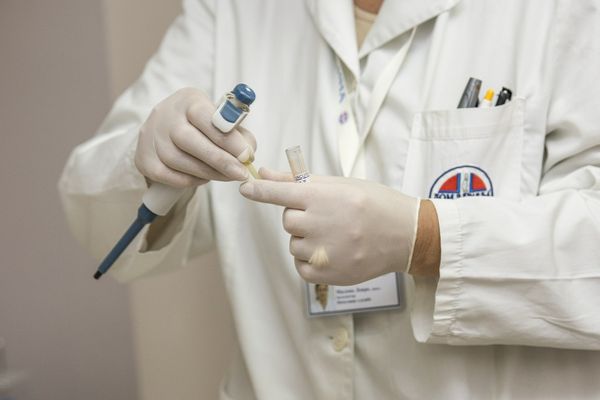
Genetics
- Testosterone production may or may not be what leads to differences in gender. There is another explanation.
- Laboratory studies conducted on animals shows that differences in sex are not explained by hormonal levels during that early brain development.
- It could be that sex differences are directly caused by genes.
Atypical Sex Chromosome Patterns
Typically, males have an XY chromosome pattern and females have an XX pattern. However some individuals are born with variation to these patterns. Two examples are Klinefelter’s syndrome and Turner’s syndrome.

Klinefelter’s syndrome
- Klinefelter’s syndrome is when a male is born with an extra X chromosome (XXY).
- This results in the male being taller, less muscular, and having less body and facial hair.
- They are generally incapable of producing sperm, therefore are infertile.

Klinefelter’s syndrome cont.
- They can also develop certain health complications like breast cancer or osteoporosis.
- The individuals can also have language deficits as they have difficulty expressing themselves and can have trouble with social interaction.

Turner’s syndrome
- Turner’s syndrome is when a female is born without a second X chromosome (X). She will just have a single X chromosome
- This results in the female being shorter, dysfunctional ovaries, and having abnormal puberty.
- Consequently, they are sterile.
- Generally, for them to be able to go through puberty, they must receive hormonal treatments.

Turner’s syndrome cont.
- They can also have heart defects, skeletal abnormalities and kidney problems.
- These girls tend to have poorer spatial ability and tend to do worse at maths.

Brain function and sex chromosomes
- By studying people with atypical sex chromosome patterns, researchers can learn what abilities may be due to sex chromosomes.
- If a variation in sex chromosomes causes an effect on brain function or behaviour, they could be explained by differing sex chromosomes.
1Social Influence
1.1Social Influence
2Memory
2.1Memory
3Attachment
3.1Attachment
4(2026 Exams) Psychopathology
4.1Psychopathology
5(2027 Exams) Clinical Psychology & Mental Health
5.1Clinical Psychology & Mental Health
6Approaches in Psychology
6.1Approaches in Psychology
6.2Comparison of Approaches (A2 only)
7Biopsychology
7.1Biopsychology
8Research Methods
8.1Research Methods
8.2Scientific Processes
8.3Data Handling & Analysis
9Issues & Debates in Psychology (A2 only)
9.1Issues & Debates in Psychology (A2 only)
10Option 1: Relationships (A2 only)
10.1Relationships: Sexual Relationships (A2 only)
10.2Relationships: Romantic Relationships (A2 only)
10.3(2026 Exams) Relationships: Virtual (A2 only)
10.4(2027 Exams) Relationships: Online (A2 only)
11Option 1: Gender (A2 only)
11.1(2026 Exams) Gender (A2 only)
11.2(2027 Exams) Gender (A2 only)
12Option 1: Cognition & Development (A2 only)
12.1Cognition & Development (A2 only)
13Option 2: Schizophrenia (A2 only)
13.1Schizophrenia: Diagnosis (A2 only)
13.2Schizophrenia: Treatment (A2 only)
14Option 2: Eating Behaviour (A2 only)
14.1Eating Behaviour (A2 only)
15Option 2: Stress (A2 only)
15.1Stress (A2 only)
16Option 3: Aggression (A2 only)
16.1Aggression: Physiological (A2 only)
16.2Aggression: Social Psychological (A2 only)
17Option 3: Forensic Psychology (A2 only)
17.1Forensic Psychology (A2 only)
18Option 3: Addiction (A2 only)
18.1Addiction (A2 only)
18.2Treating Addiction (A2 only)
Jump to other topics
1Social Influence
1.1Social Influence
2Memory
2.1Memory
3Attachment
3.1Attachment
4(2026 Exams) Psychopathology
4.1Psychopathology
5(2027 Exams) Clinical Psychology & Mental Health
5.1Clinical Psychology & Mental Health
6Approaches in Psychology
6.1Approaches in Psychology
6.2Comparison of Approaches (A2 only)
7Biopsychology
7.1Biopsychology
8Research Methods
8.1Research Methods
8.2Scientific Processes
8.3Data Handling & Analysis
9Issues & Debates in Psychology (A2 only)
9.1Issues & Debates in Psychology (A2 only)
10Option 1: Relationships (A2 only)
10.1Relationships: Sexual Relationships (A2 only)
10.2Relationships: Romantic Relationships (A2 only)
10.3(2026 Exams) Relationships: Virtual (A2 only)
10.4(2027 Exams) Relationships: Online (A2 only)
11Option 1: Gender (A2 only)
11.1(2026 Exams) Gender (A2 only)
11.2(2027 Exams) Gender (A2 only)
12Option 1: Cognition & Development (A2 only)
12.1Cognition & Development (A2 only)
13Option 2: Schizophrenia (A2 only)
13.1Schizophrenia: Diagnosis (A2 only)
13.2Schizophrenia: Treatment (A2 only)
14Option 2: Eating Behaviour (A2 only)
14.1Eating Behaviour (A2 only)
15Option 2: Stress (A2 only)
15.1Stress (A2 only)
16Option 3: Aggression (A2 only)
16.1Aggression: Physiological (A2 only)
16.2Aggression: Social Psychological (A2 only)
17Option 3: Forensic Psychology (A2 only)
17.1Forensic Psychology (A2 only)
18Option 3: Addiction (A2 only)
18.1Addiction (A2 only)
18.2Treating Addiction (A2 only)
Practice questions on Biological Influences on Gender
Can you answer these? Test yourself with free interactive practice on Seneca — used by over 10 million students.
- 1Sex and reproduction True / false
- 2What determines the sex of a baby?Multiple choice
- 3How many pairs of chromosomes do humans typically have?Multiple choice
- 4
- 5Klinefelter’s Syndrome:Fill in the list
Unlock your full potential with Seneca Premium
Unlimited access to 10,000+ open-ended exam questions
Mini-mock exams based on your study history
Unlock 800+ premium courses & e-books