10.1.4
Moral Entrepreneurs
Test your knowledge with free interactive questions on Seneca — used by over 10 million students.
Moral Entrepreneurs
Becker argues that the role of moral entrepreneurs is significant in our reaction to particular acts.

Becker
- A ‘moral entrepreneur’ is someone who attempts to influence our reaction in order to change the law.
- These are usually journalists, politicians or members of the criminal justice system.
- Moral entrepreneurs begin to influence other people’s opinions, which then in turn affects the labelling process.
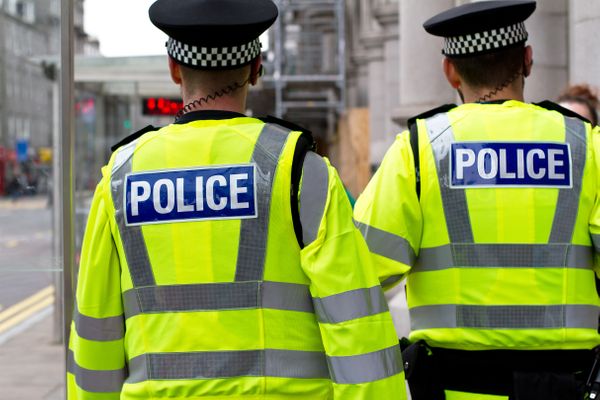
Cicourel
- Cicourel claimed that police officers and judges use typifications or stereotypes to influence their judgement of an offender.
- If the offender fits their expectations of a typical criminal, they are more likely to arrest them.

Primary deviance
- Lemert studied the difference between what he calls ‘primary’ and ‘secondary’ deviance.
- This is covered in the next module.
1Theory & Methods
1.1Sociological Theories
1.2Sociological Methods
2Education with Methods in Context
2.1Role & Function of the Education System
2.2Educational Achievement
2.3Relationships & Processes Within Schools
3Option 1: Culture & Identity
3.1Conceptions of Culture
3.2Identity & Socialisation
3.3Social Identity
3.4Production, Consumption & Globalisation
4Option 1: Families & Households
4.1Families & Households
4.2Changing Patterns
4.3The Symmetrical Family
4.4Children & Childhood
5Option 1: Health
5.1Social Constructions
5.2Social Distribution of Healthcare
5.3Provision & Access to Healthcare
5.4Mental Health
6Option 1: Work, Poverty & Welfare
6.1Poverty & Wealth
7Option 2: Beliefs in Society
7.1Ideology, Science & Religion
7.2Religious Movements
7.3Society & Religion
8Option 2: Global Development
8.1Development, Underdevelopment & Global Inequality
8.2Globalisation & Global Organisations
8.3Aid, Trade, Industrialisation, Urbanisation
9Option 2: The Media
9.1Contemporary Media
9.2Media Representations
10Crime & Deviance
10.1Crime & Society
10.2Social Distribution of Crime
Jump to other topics
1Theory & Methods
1.1Sociological Theories
1.2Sociological Methods
2Education with Methods in Context
2.1Role & Function of the Education System
2.2Educational Achievement
2.3Relationships & Processes Within Schools
3Option 1: Culture & Identity
3.1Conceptions of Culture
3.2Identity & Socialisation
3.3Social Identity
3.4Production, Consumption & Globalisation
4Option 1: Families & Households
4.1Families & Households
4.2Changing Patterns
4.3The Symmetrical Family
4.4Children & Childhood
5Option 1: Health
5.1Social Constructions
5.2Social Distribution of Healthcare
5.3Provision & Access to Healthcare
5.4Mental Health
6Option 1: Work, Poverty & Welfare
6.1Poverty & Wealth
7Option 2: Beliefs in Society
7.1Ideology, Science & Religion
7.2Religious Movements
7.3Society & Religion
8Option 2: Global Development
8.1Development, Underdevelopment & Global Inequality
8.2Globalisation & Global Organisations
8.3Aid, Trade, Industrialisation, Urbanisation
9Option 2: The Media
9.1Contemporary Media
9.2Media Representations
10Crime & Deviance
10.1Crime & Society
10.2Social Distribution of Crime
Practice questions on Moral Entrepreneurs
Can you answer these? Test yourself with free interactive practice on Seneca — used by over 10 million students.
- 1
- 2Which of these is unlikely to be a 'moral entrepreneur'?Multiple choice
Unlock your full potential with Seneca Premium
Unlimited access to 10,000+ open-ended exam questions
Mini-mock exams based on your study history
Unlock 800+ premium courses & e-books