4.1.1
Introduction to Biodiversity
Test your knowledge with free interactive questions on Seneca — used by over 10 million students.
Biodiversity
Biodiversity is the complexity of a biological community. Diverse natural and artificial ecosystems are more resilient to environmental changes.

Habitats
- Biodiversity exists in habitats at a range of sizes.
- A habitat is an area where an organism lives.
- Biodiversity can be considered in a small, local habitat (e.g. a lake).
- Biodiversity varies between different habitats.
- E.g. Coral reefs are typically more biodiverse than meadows.

Global biodiversity
- Biodiversity can also be considered on the global scale.
- Biodiversity varies around the world.
- E.g. The equator is typically more biodiverse than the poles.

Species richness
- Species richness is the number of species in a habitat or community.
- Species richness can be measured by counting the number of different species in the habitat.
Importance of biodiversity
- Having a varied population is important, as a sudden change in the surrounding environment may require a particular allele to withstand the change.
- A common example is antibiotic resistance.
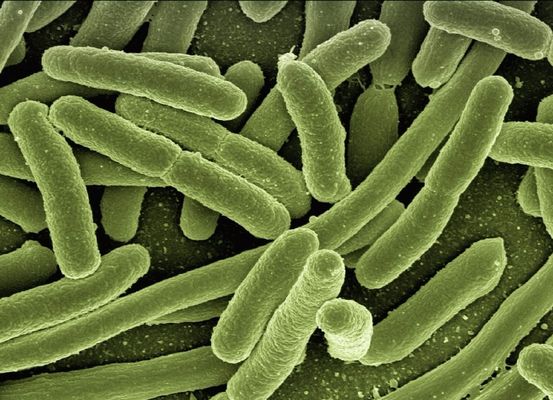
- Within a population of bacteria, some bacteria will be naturally resistant to an antibiotic.
- When an antibiotic is applied to said population, the resistant bacteria survive and are able to pass on their resistant genes.
- This diversity helps the bacteria keep their population alive.
Factors Affecting Biodiversity
Biodiversity can be affected by changes to environmental conditions or the way a population affects its surroundings.

Human population growth
- The speed of growth of the human population means there is more forest cleared so that the land can be used for housing and food production.
- This land would otherwise support a more diverse range of species.
- Pollution and waste production also increases, putting further burden on fragile ecosystems.
- Human populations expanding outwards into animal habitats enables the zoonotic transmission of new diseases between species.

Agriculture (monoculture)
- It is more efficient to grow crops with the same requirements in terms of nutrition and ease of harvesting.
- Many farms now have fields set aside for growing only one crop species, such as wheat.
- Practicing monoculture reduces biodiversity and can cause problems.
- Monocultures lacking genetic diversity may be less resistant to diseases.

Climate change
- Changes in global weather patterns, sea levels and temperatures can lead to habitat loss, driving animals to migrate.
- In other cases, some species and populations may be directly destroyed, decreasing the gene pool available for selection and evolution.
- The speed of climate change can sometimes be too fast for species to adapt to new conditions, leading to extinction.
1Unity & Diversity - Molecules
1.1Water
1.2DNA Structure & Replication
1.3Transcription & Gene Expression
2Unity & Diversity - Cells
2.1The Origin of Cells
2.2Introduction to Cells
2.3Ultrastructure of Cells
2.4Cell Division
2.5Structure of DNA & RNA
2.6DNA Replication, Transcription & Translation
2.7Cell Respiration
2.8Photosynthesis
2.9Viruses
3Unity & Diversity - Organisms
3.1Diversity of Organisms
3.2Evidence for Evolution
4Unity & Diversity - Ecosystems
4.1Classification
4.3Evolution & Speciation
4.3.1Evidence for Evolution - Fossils & DNA4.3.2Evidence for Evolution - Anatomy & Geography4.3.3IB Multiple Choice - Evidence for Evolution4.3.4Extended Response - DNA & Evolution4.3.5Populations4.3.6Mutations, Genetic Drift, & Gene Flow4.3.7Speciation4.3.8Rate of Speciation4.3.9Allopatric & Sympatric Speciation
4.4Conservation of Biodiversity
5Form & Function - Molecules
6Form & Function - Cells
6.1Membranes & Membrane Transport
6.2Organelles & Compartmentalization
6.3Cell Specialization
7Form & Function - Organisms
7.2Transport
7.3Muscle & Motility
8Form & Function - Ecosystems
8.1Species, Communities & Ecosytems
8.3Carbon Cycle
9Interaction & Interdependence - Molecules
9.1Enzymes
9.2Metabolism
9.3Cell Respiration
10Interaction & Interdependence - Cells
10.1Chemical Signalling
10.2Neural Signalling
10.3Adaptation to Environment
10.4Ecological Niches
11Interaction & Interdependence - Organisms
11.1Integration of Body Systems
12Interaction & Interdependence - Ecosystems
12.1Populations & Communities
12.2Transfers of Energy & Matter
13Continuity & Change - Molecules
13.1DNA Replication
13.2Protein Synthesis
14Continuity & Change - Cells
15Continuity & Change - Organisms
15.1Inheritance
15.1.1Non-Nuclear Inheritance15.1.2Linked Genes15.1.3IB Multiple Choice - Non-Mendelian Genetics15.1.4Extended Response - Inheritance15.1.5Introduction to Non-Mendelian Inheritance15.1.6Chi-Squared Test15.1.7End of Topic Quiz - Inheritance15.1.8Sex-Linked Genes15.1.9Grade 4-5 (Scientific Practices) - Inheritance
16Continuity & Change - Ecosystems
16.1Natural Selection
16.2Stability & Change
Jump to other topics
1Unity & Diversity - Molecules
1.1Water
1.2DNA Structure & Replication
1.3Transcription & Gene Expression
2Unity & Diversity - Cells
2.1The Origin of Cells
2.2Introduction to Cells
2.3Ultrastructure of Cells
2.4Cell Division
2.5Structure of DNA & RNA
2.6DNA Replication, Transcription & Translation
2.7Cell Respiration
2.8Photosynthesis
2.9Viruses
3Unity & Diversity - Organisms
3.1Diversity of Organisms
3.2Evidence for Evolution
4Unity & Diversity - Ecosystems
4.1Classification
4.3Evolution & Speciation
4.3.1Evidence for Evolution - Fossils & DNA4.3.2Evidence for Evolution - Anatomy & Geography4.3.3IB Multiple Choice - Evidence for Evolution4.3.4Extended Response - DNA & Evolution4.3.5Populations4.3.6Mutations, Genetic Drift, & Gene Flow4.3.7Speciation4.3.8Rate of Speciation4.3.9Allopatric & Sympatric Speciation
4.4Conservation of Biodiversity
5Form & Function - Molecules
6Form & Function - Cells
6.1Membranes & Membrane Transport
6.2Organelles & Compartmentalization
6.3Cell Specialization
7Form & Function - Organisms
7.2Transport
7.3Muscle & Motility
8Form & Function - Ecosystems
8.1Species, Communities & Ecosytems
8.3Carbon Cycle
9Interaction & Interdependence - Molecules
9.1Enzymes
9.2Metabolism
9.3Cell Respiration
10Interaction & Interdependence - Cells
10.1Chemical Signalling
10.2Neural Signalling
10.3Adaptation to Environment
10.4Ecological Niches
11Interaction & Interdependence - Organisms
11.1Integration of Body Systems
12Interaction & Interdependence - Ecosystems
12.1Populations & Communities
12.2Transfers of Energy & Matter
13Continuity & Change - Molecules
13.1DNA Replication
13.2Protein Synthesis
14Continuity & Change - Cells
15Continuity & Change - Organisms
15.1Inheritance
15.1.1Non-Nuclear Inheritance15.1.2Linked Genes15.1.3IB Multiple Choice - Non-Mendelian Genetics15.1.4Extended Response - Inheritance15.1.5Introduction to Non-Mendelian Inheritance15.1.6Chi-Squared Test15.1.7End of Topic Quiz - Inheritance15.1.8Sex-Linked Genes15.1.9Grade 4-5 (Scientific Practices) - Inheritance
16Continuity & Change - Ecosystems
16.1Natural Selection
16.2Stability & Change
Practice questions on Introduction to Biodiversity
Can you answer these? Test yourself with free interactive practice on Seneca — used by over 10 million students.
- 1
- 2What is the definition of species richness?Multiple choice
- 3Which of these is NOT a direct cause of species extinction?Multiple choice
Unlock your full potential with Seneca Premium
Unlimited access to 10,000+ open-ended exam questions
Mini-mock exams based on your study history
Unlock 800+ premium courses & e-books