15.2.2
Blood Glucose Concentration
Test your knowledge with free interactive questions on Seneca — used by over 10 million students.
Maintaining Blood Glucose Concentration
Blood glucose concentration is controlled by homeostasis. The normal concentration is 90 mg 100 cm−3. It is important to maintain a stable blood glucose concentration for two reasons:
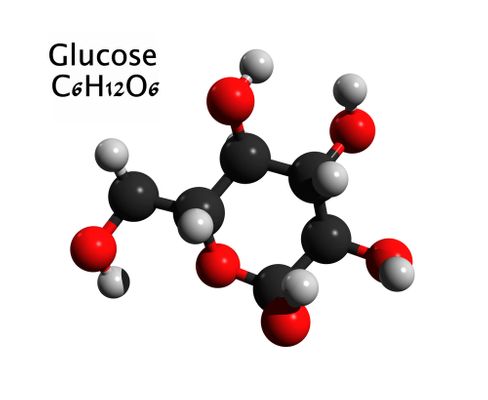
Meeting respiratory demands
- Glucose is a respiratory substrate.
- There must be enough glucose in the blood to meet the demands of respiring cells.
- If glucose levels are too low, respiration rate will slow.

Maintaining water potential
- Glucose can affect the water potential of the blood.
- An increase in blood glucose concentration will decrease the water potential of the blood.
- Water will move out of tissues into the blood by osmosis. This causes dehydration of the cells and the cells will die.
- Blood pressure also increases.
Factors Affecting Blood Glucose Levels
Blood glucose concentration must be monitored carefully to make sure there is a constant supply of glucose for respiration. Blood glucose levels can be influenced by:

Eating
- Eating carbohydrates causes an increase in blood glucose concentration.
- Increases in blood glucose levels are monitored by the pancreas.

Exercise
- Exercising causes a decrease in blood glucose concentration because glucose is being used in respiration to power muscle contraction.
- Decreases in blood glucose levels are also monitored by the pancreas.
The Liver
The liver is an organ that plays an important role in controlling blood glucose concentration. The processes that take place in the liver are:

Glycogenesis
- When blood glucose concentration is too high, the liver cells produce enzymes that convert glucose into glycogen. This glycogen is then stored in the liver cells.
- This process is called glycogenesis.

Glycogenolysis
- When blood glucose concentration is too low, the liver cells produce enzymes that break down the glycogen stored in the cells to glucose.
- This process is called glycogenolysis.
,h_400,q_80,w_640.png)
Gluconeogenesis
- When blood glucose concentration is too low, liver cells also form glucose from glycerol and amino acids.
- This process is called gluconeogenesis.
1Unity & Diversity - Molecules
1.1Water
1.2DNA Structure & Replication
1.3Transcription & Gene Expression
2Unity & Diversity - Cells
2.1The Origin of Cells
2.2Introduction to Cells
2.3Ultrastructure of Cells
2.4Cell Division
2.5Structure of DNA & RNA
2.6DNA Replication, Transcription & Translation
2.7Cell Respiration
2.8Photosynthesis
2.9Viruses
3Unity & Diversity - Organisms
3.1Diversity of Organisms
3.2Evidence for Evolution
4Unity & Diversity - Ecosystems
4.1Classification
4.3Evolution & Speciation
4.4Conservation of Biodiversity
5Form & Function - Molecules
6Form & Function - Cells
6.1Membranes & Membrane Transport
6.2Organelles & Compartmentalization
6.3Cell Specialization
7Form & Function - Organisms
7.2Transport
7.3Muscle & Motility
8Form & Function - Ecosystems
8.1Species, Communities & Ecosytems
8.3Carbon Cycle
9Interaction & Interdependence - Molecules
9.1Enzymes
9.2Metabolism
9.3Cell Respiration
10Interaction & Interdependence - Cells
10.1Chemical Signalling
10.2Neural Signalling
10.3Adaptation to Environment
10.4Ecological Niches
11Interaction & Interdependence - Organisms
11.1Integration of Body Systems
12Interaction & Interdependence - Ecosystems
12.1Populations & Communities
12.2Transfers of Energy & Matter
13Continuity & Change - Molecules
13.1DNA Replication
13.2Protein Synthesis
14Continuity & Change - Cells
15Continuity & Change - Organisms
15.1Inheritance
16Continuity & Change - Ecosystems
16.1Natural Selection
16.2Stability & Change
Jump to other topics
1Unity & Diversity - Molecules
1.1Water
1.2DNA Structure & Replication
1.3Transcription & Gene Expression
2Unity & Diversity - Cells
2.1The Origin of Cells
2.2Introduction to Cells
2.3Ultrastructure of Cells
2.4Cell Division
2.5Structure of DNA & RNA
2.6DNA Replication, Transcription & Translation
2.7Cell Respiration
2.8Photosynthesis
2.9Viruses
3Unity & Diversity - Organisms
3.1Diversity of Organisms
3.2Evidence for Evolution
4Unity & Diversity - Ecosystems
4.1Classification
4.3Evolution & Speciation
4.4Conservation of Biodiversity
5Form & Function - Molecules
6Form & Function - Cells
6.1Membranes & Membrane Transport
6.2Organelles & Compartmentalization
6.3Cell Specialization
7Form & Function - Organisms
7.2Transport
7.3Muscle & Motility
8Form & Function - Ecosystems
8.1Species, Communities & Ecosytems
8.3Carbon Cycle
9Interaction & Interdependence - Molecules
9.1Enzymes
9.2Metabolism
9.3Cell Respiration
10Interaction & Interdependence - Cells
10.1Chemical Signalling
10.2Neural Signalling
10.3Adaptation to Environment
10.4Ecological Niches
11Interaction & Interdependence - Organisms
11.1Integration of Body Systems
12Interaction & Interdependence - Ecosystems
12.1Populations & Communities
12.2Transfers of Energy & Matter
13Continuity & Change - Molecules
13.1DNA Replication
13.2Protein Synthesis
14Continuity & Change - Cells
15Continuity & Change - Organisms
15.1Inheritance
16Continuity & Change - Ecosystems
16.1Natural Selection
16.2Stability & Change
Practice questions on Blood Glucose Concentration
Can you answer these? Test yourself with free interactive practice on Seneca — used by over 10 million students.
- 1
- 2
- 3
- 4
- 5Why is more glucose used during exercise than at rest?Multiple choice
Unlock your full potential with Seneca Premium
Unlimited access to 10,000+ open-ended exam questions
Mini-mock exams based on your study history
Unlock 800+ premium courses & e-books