3.3.1
Introduction
Test your knowledge with free interactive questions on Seneca — used by over 10 million students.
Principles of Natural Selection
Natural selection is the process that leads to evolution in a population. In order to understand how this process functions, it is important to learn the key principles of natural selection.

Random mutation
- Mutations are changes in the gene sequence of DNA.
- Random mutations can arise spontaneously.
- New mutations can result in new alleles of a gene.

Variation in mutations
- Most mutations are harmful because they alter the normal functioning of a gene.
- But by chance, some mutations might confer a beneficial trait.
- An individual with a beneficial mutation will be more likely to survive and reproduce than an individual without the mutation.
-min,h_400,q_80,w_640.png)
Inheritance
- When an individual reproduces, their offspring will inherit half of their genes.
- When an individual with an advantageous mutation reproduces, the allele is inherited by their offspring.

Change in allele frequency
- Individuals in the next generation who have the advantageous mutation are also more likely to reproduce and pass on the allele.
- Over many generations, the new allele will increase in frequency in the population.
- The change in allele frequency over time is called evolution.
Natural Selection and Evolution
Natural selection is the process where the frequency of alleles in a population changes over time. Natural selection is a process that gives rise to evolution.
Selective advantage
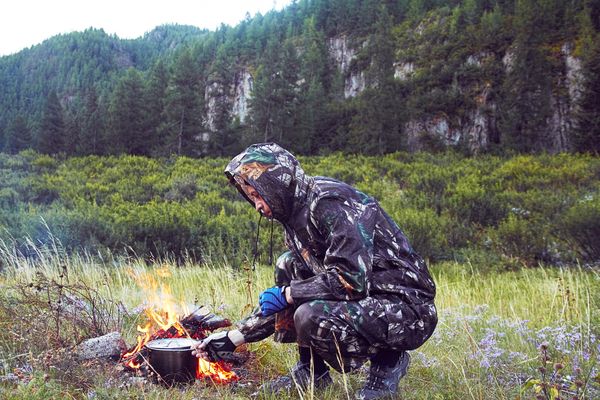
- Genetic variation exists between individuals in a population.
- Some individuals will be more likely to survive (e.g. by being better at fighting disease) than others.
- Individuals that are better at surviving than others have a selective advantage.
Producing offspring
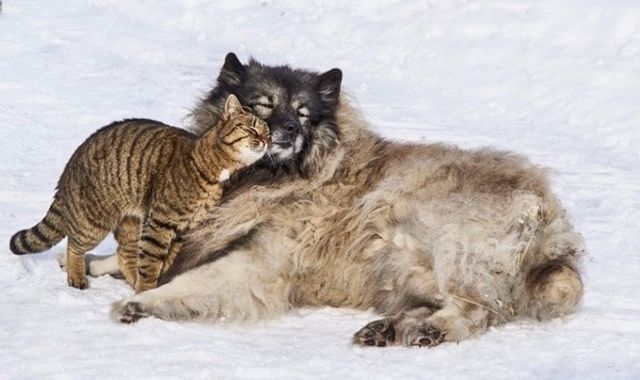
- Individuals with a selective advantage are more likely to survive to reproduce than others.
- This means that the genes of an individual with a selective advantage are more likely to be passed onto offspring than the genes of an individual without a selective advantage.
Increasing allele frequencies
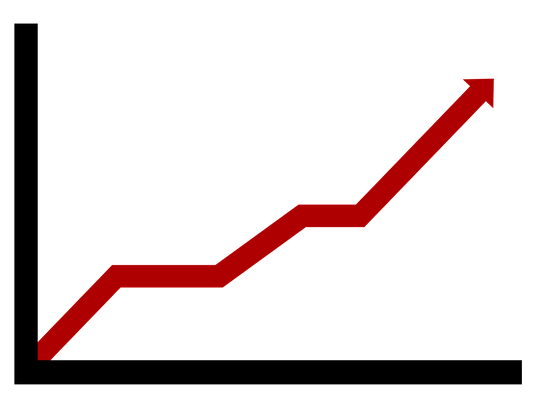
- Individuals with a selective advantage are more likely to pass on their beneficial alleles than other individuals.
- The next generation is more likely to have alleles that provide a selective advantage than alleles that do not.
- This generation is also more likely to survive to reproduce and pass on their genes.
- This causes the alleles that provide a selective advantage to increase in frequency in the population.
Natural selection
- The process where the frequency of beneficial alleles increases over time is called natural selection.
- Natural selection controls the frequency of alleles in a population.
- If a harmful allele develops in an individual, this individual is less likely to survive and the harmful allele will decrease in frequency. This is also natural selection.
Evolution
- The process of natural selection gives rise to evolution.
- Evolution is defined as a change in allele frequencies over time.
- E.g. The evolution of humans is the change in allele frequencies that has taken place over millions of years. This change has been driven by natural selection.
1Unity & Diversity - Molecules
1.1Water
1.2DNA Structure & Replication
1.3Transcription & Gene Expression
2Unity & Diversity - Cells
2.1The Origin of Cells
2.2Introduction to Cells
2.3Ultrastructure of Cells
2.4Cell Division
2.5Structure of DNA & RNA
2.6DNA Replication, Transcription & Translation
2.7Cell Respiration
2.8Photosynthesis
2.9Viruses
3Unity & Diversity - Organisms
3.1Diversity of Organisms
3.2Evidence for Evolution
4Unity & Diversity - Ecosystems
4.1Classification
4.3Evolution & Speciation
4.3.1Evidence for Evolution - Fossils & DNA4.3.2Evidence for Evolution - Anatomy & Geography4.3.3IB Multiple Choice - Evidence for Evolution4.3.4Extended Response - DNA & Evolution4.3.5Populations4.3.6Mutations, Genetic Drift, & Gene Flow4.3.7Speciation4.3.8Rate of Speciation4.3.9Allopatric & Sympatric Speciation
4.4Conservation of Biodiversity
5Form & Function - Molecules
6Form & Function - Cells
6.1Membranes & Membrane Transport
6.2Organelles & Compartmentalization
6.3Cell Specialization
7Form & Function - Organisms
7.2Transport
7.3Muscle & Motility
8Form & Function - Ecosystems
8.1Species, Communities & Ecosytems
8.3Carbon Cycle
9Interaction & Interdependence - Molecules
9.1Enzymes
9.2Metabolism
9.3Cell Respiration
10Interaction & Interdependence - Cells
10.1Chemical Signalling
10.2Neural Signalling
10.3Adaptation to Environment
10.4Ecological Niches
11Interaction & Interdependence - Organisms
11.1Integration of Body Systems
12Interaction & Interdependence - Ecosystems
12.1Populations & Communities
12.2Transfers of Energy & Matter
13Continuity & Change - Molecules
13.1DNA Replication
13.2Protein Synthesis
14Continuity & Change - Cells
15Continuity & Change - Organisms
15.1Inheritance
15.1.1Non-Nuclear Inheritance15.1.2Linked Genes15.1.3IB Multiple Choice - Non-Mendelian Genetics15.1.4Extended Response - Inheritance15.1.5Introduction to Non-Mendelian Inheritance15.1.6Chi-Squared Test15.1.7End of Topic Quiz - Inheritance15.1.8Sex-Linked Genes15.1.9Grade 4-5 (Scientific Practices) - Inheritance
16Continuity & Change - Ecosystems
16.1Natural Selection
16.2Stability & Change
Jump to other topics
1Unity & Diversity - Molecules
1.1Water
1.2DNA Structure & Replication
1.3Transcription & Gene Expression
2Unity & Diversity - Cells
2.1The Origin of Cells
2.2Introduction to Cells
2.3Ultrastructure of Cells
2.4Cell Division
2.5Structure of DNA & RNA
2.6DNA Replication, Transcription & Translation
2.7Cell Respiration
2.8Photosynthesis
2.9Viruses
3Unity & Diversity - Organisms
3.1Diversity of Organisms
3.2Evidence for Evolution
4Unity & Diversity - Ecosystems
4.1Classification
4.3Evolution & Speciation
4.3.1Evidence for Evolution - Fossils & DNA4.3.2Evidence for Evolution - Anatomy & Geography4.3.3IB Multiple Choice - Evidence for Evolution4.3.4Extended Response - DNA & Evolution4.3.5Populations4.3.6Mutations, Genetic Drift, & Gene Flow4.3.7Speciation4.3.8Rate of Speciation4.3.9Allopatric & Sympatric Speciation
4.4Conservation of Biodiversity
5Form & Function - Molecules
6Form & Function - Cells
6.1Membranes & Membrane Transport
6.2Organelles & Compartmentalization
6.3Cell Specialization
7Form & Function - Organisms
7.2Transport
7.3Muscle & Motility
8Form & Function - Ecosystems
8.1Species, Communities & Ecosytems
8.3Carbon Cycle
9Interaction & Interdependence - Molecules
9.1Enzymes
9.2Metabolism
9.3Cell Respiration
10Interaction & Interdependence - Cells
10.1Chemical Signalling
10.2Neural Signalling
10.3Adaptation to Environment
10.4Ecological Niches
11Interaction & Interdependence - Organisms
11.1Integration of Body Systems
12Interaction & Interdependence - Ecosystems
12.1Populations & Communities
12.2Transfers of Energy & Matter
13Continuity & Change - Molecules
13.1DNA Replication
13.2Protein Synthesis
14Continuity & Change - Cells
15Continuity & Change - Organisms
15.1Inheritance
15.1.1Non-Nuclear Inheritance15.1.2Linked Genes15.1.3IB Multiple Choice - Non-Mendelian Genetics15.1.4Extended Response - Inheritance15.1.5Introduction to Non-Mendelian Inheritance15.1.6Chi-Squared Test15.1.7End of Topic Quiz - Inheritance15.1.8Sex-Linked Genes15.1.9Grade 4-5 (Scientific Practices) - Inheritance
16Continuity & Change - Ecosystems
16.1Natural Selection
16.2Stability & Change
Practice questions on Introduction
Can you answer these? Test yourself with free interactive practice on Seneca — used by over 10 million students.
- 1
- 2What is the definition of evolution?Multiple choice
- 3
- 4
Unlock your full potential with Seneca Premium
Unlimited access to 10,000+ open-ended exam questions
Mini-mock exams based on your study history
Unlock 800+ premium courses & e-books