4.1.2
Paper 1: Writing - Descriptive Writing
Test your knowledge with free interactive questions on Seneca — used by over 10 million students.
Section B: Descriptive Writing
A descriptive piece uses sensory detail (sight, sound, smell, taste, touch) to describe a place, person or feeling. There is no story line. Here are some tips for writing a descriptive piece:

Use figurative language
- Using figurative language helps to bring descriptions to life.
- Figurative language uses figures of speech to be more effective, persuasive or impactful. Metaphors and similes are uses of figurative language.
- E.g. My bedroom is a freezer!

Figurative language - example
- Read this example:
- There were lots of people in the room. It was crowded. I was feeling claustrophobic. I started to panic.
- These sentences are grammatically correct, but the description is boring. Let's now look at an example using figurative language:
- The people in the room were bunched together like battery chickens on a tiny farm. Panic rushed over me like a wave crashing into shore. Claustrophobia swallowed me.
- The similes and personification in these sentences make the writing much more exciting.

Use vocabulary to create the right tone
- The tone of your writing is very important. The tone is the writer's feelings towards what they are describing.
- To create the right tone:
- Choose words carefully - using positive adjectives will help to create a light-hearted feel. Using negative/aggressive adjectives will help to create a foreboding atmosphere.
- Use varied sentences - using short, simple sentences will help to create suspense and quicken the pace. Using long, complex sentences will slow the pace and create a relaxed feel.

Tone - examples
- The howling, raging storm smashed everything in its path.
- The aggressive adjectives help to create a negative tone. The writer wants us to think of the storm as a negative force.
- The sweet, little girl flickered her sky-blue eyes as she tossed her honey golden locks.
- The positive adjectives create a positive tone. The writer wants us to think of the girl as an attractive and likeable character.

Tone - examples
- He looked. He looked again. Where was she? Where had she gone? Panic smacked Joe in the face. She was missing. Gone without a trace.
- The series of simple, short sentences help to create suspense and quicken the pace - reflecting Joe's panic.
- The golden sun stretched out his magnificent arms and spread honey rays far and wide, warming his beloved Earth and waking her creatures one and all.
- The long, complex sentence creates a relaxed feel - reflecting this lethargic start to the day.

Use a range of language devices
- Language devices play a key role in creative writing. Using a variety of the language devices covered in the 'Key Terms' section can help you to:
- Make your writing more interesting.
- Engage the reader in your story or help them to visualise your description.
- Help you to build up the image/experience you have in your own head.
- We will recap these language devices in the 'Checklist of Techniques' section.
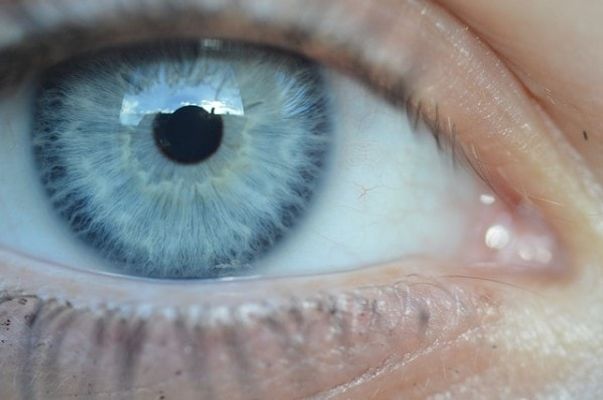
Good techniques
- Adjectives.
- Analogies.
- Metaphors and similes.
- Devices that create a visual picture in the reader's mind.
1Key Terms
2Language Techniques
2.1Language Devices
3Paper 1: Reading
3.1Paper 1: Reading - Section A
3.1.1Paper 1: Reading - Overview - Section A3.1.2Paper 1: Reading - Answering Question 13.1.3Paper 1: Reading - Answering Question 23.1.4Exam-Style Questions - Paper 1: Reading3.1.5Paper 1: Reading - Answering Question 33.1.6Paper 1: Reading - Answering Question 43.1.7End of Topic Test - Section A3.1.8Exam-Style Questions - Paper 1: Reading3.1.9Diagnostic Misconceptions - P1 Q23.1.10Diagnostic Misconceptions - P1 Q33.1.11Diagnostic Misconceptions - P1 Q4 13.1.12Diagnostic Misconceptions - P1 Q4 2
4Paper 1: Writing
4.1Paper 1: Writing - Structuring Your Answer
4.1.1Paper 1: Writing - Overview - Section B4.1.2Paper 1: Writing - Descriptive Writing4.1.3Paper 1: Writing - Narrative Writing4.1.4Paper 1: Writing - Answering Section B (option 1)4.1.5Paper 1: Writing - Answering Section B (option 2)4.1.6Paper 1: Writing - Answering Section B - Checklist4.1.7End of Topic Test - Writing Section4.1.8Exam-Style Questions - Paper 1: Writing4.1.9Diagnostic Misconceptions - P1 Q5 14.1.10Diagnostic Misconceptions - P1 Q5 2
5Paper 2: Reading
5.1Paper 2: Reading - DAFORESTER
5.1.1Paper 2: Reading - Direct Address5.1.2Paper 2: Reading - Alliteration5.1.3Paper 2: Reading - Facts5.1.4Paper 2: Reading - Opinions5.1.5Paper 2: Reading - Repetition5.1.6Paper 2: Reading - Exaggeration (Hyperbole)5.1.7Paper 2: Reading - Statistics5.1.8Paper 2: Reading - Triples (Rule of 3)5.1.9Paper 2: Reading - Emotive Language5.1.10Paper 2: Reading - Rhetorical Questions5.1.11End of Topic Test - DAFORESTER
5.2Paper 2: Reading - Structuring Your Answer
5.2.1Paper 2: Reading - Overview - Section A5.2.2Paper 2: Reading - Answering Question 15.2.3Paper 2: Reading - Answering Question 25.2.4Paper 2: Reading - Answering Question 35.2.5Exam-Style Questions - Paper 2: Reading5.2.6Paper 2: Reading - Answering Question 45.2.7End of Topic Test - Section A5.2.8Exam-Style Questions - Paper 2: Reading5.2.9Diagnostic Misconceptions - P2 Q15.2.10Diagnostic Misconceptions - P2 Q2 15.2.11Diagnostic Misconceptions - P2 Q2 25.2.12Diagnostic Misconceptions - P2 Q4
6Paper 2: Writing
6.1Paper 2: Writing - Structuring Your Answer
6.2Types of Writing
6.2.1Paper 2: Writing - Article6.2.2Paper 2: Writing - Essay6.2.3Paper 2: Writing - Leaflet6.2.4Paper 2: Writing - Letter6.2.5Paper 2: Writing - Speech6.2.6Paper 2: Writing - Review6.2.7Paper 2: Writing - Travel Writing6.2.8Paper 2: Writing - Diaries & Journals6.2.9End of Topic Test - Types of Writing
6.3Writing to...
6.3.1Paper 2: Writing - Writing to Inform6.3.2Paper 2: Writing - Writing to Inform - Example6.3.3Paper 2: Writing - Writing to Explain6.3.4Paper 2: Writing - Writing to Explain - Example6.3.5Paper 2: Writing - Writing to Persuade6.3.6Paper 2: Writing - Writing to Persuade - Example6.3.7Paper 2: Writing - Writing to Argue6.3.8Paper 2: Writing - Writing to Argue - Example6.3.9Paper 2: Writing - Writing to Persuade vs Writing6.3.10Paper 2: Writing - Writing to Advise6.3.11Paper 2: Writing - Writing to Advise - Example6.3.12End of Topic Test - Writing to...6.3.13Exam-Style Questions - Paper 2: Writing
Jump to other topics
1Key Terms
2Language Techniques
2.1Language Devices
3Paper 1: Reading
3.1Paper 1: Reading - Section A
3.1.1Paper 1: Reading - Overview - Section A3.1.2Paper 1: Reading - Answering Question 13.1.3Paper 1: Reading - Answering Question 23.1.4Exam-Style Questions - Paper 1: Reading3.1.5Paper 1: Reading - Answering Question 33.1.6Paper 1: Reading - Answering Question 43.1.7End of Topic Test - Section A3.1.8Exam-Style Questions - Paper 1: Reading3.1.9Diagnostic Misconceptions - P1 Q23.1.10Diagnostic Misconceptions - P1 Q33.1.11Diagnostic Misconceptions - P1 Q4 13.1.12Diagnostic Misconceptions - P1 Q4 2
4Paper 1: Writing
4.1Paper 1: Writing - Structuring Your Answer
4.1.1Paper 1: Writing - Overview - Section B4.1.2Paper 1: Writing - Descriptive Writing4.1.3Paper 1: Writing - Narrative Writing4.1.4Paper 1: Writing - Answering Section B (option 1)4.1.5Paper 1: Writing - Answering Section B (option 2)4.1.6Paper 1: Writing - Answering Section B - Checklist4.1.7End of Topic Test - Writing Section4.1.8Exam-Style Questions - Paper 1: Writing4.1.9Diagnostic Misconceptions - P1 Q5 14.1.10Diagnostic Misconceptions - P1 Q5 2
5Paper 2: Reading
5.1Paper 2: Reading - DAFORESTER
5.1.1Paper 2: Reading - Direct Address5.1.2Paper 2: Reading - Alliteration5.1.3Paper 2: Reading - Facts5.1.4Paper 2: Reading - Opinions5.1.5Paper 2: Reading - Repetition5.1.6Paper 2: Reading - Exaggeration (Hyperbole)5.1.7Paper 2: Reading - Statistics5.1.8Paper 2: Reading - Triples (Rule of 3)5.1.9Paper 2: Reading - Emotive Language5.1.10Paper 2: Reading - Rhetorical Questions5.1.11End of Topic Test - DAFORESTER
5.2Paper 2: Reading - Structuring Your Answer
5.2.1Paper 2: Reading - Overview - Section A5.2.2Paper 2: Reading - Answering Question 15.2.3Paper 2: Reading - Answering Question 25.2.4Paper 2: Reading - Answering Question 35.2.5Exam-Style Questions - Paper 2: Reading5.2.6Paper 2: Reading - Answering Question 45.2.7End of Topic Test - Section A5.2.8Exam-Style Questions - Paper 2: Reading5.2.9Diagnostic Misconceptions - P2 Q15.2.10Diagnostic Misconceptions - P2 Q2 15.2.11Diagnostic Misconceptions - P2 Q2 25.2.12Diagnostic Misconceptions - P2 Q4
6Paper 2: Writing
6.1Paper 2: Writing - Structuring Your Answer
6.2Types of Writing
6.2.1Paper 2: Writing - Article6.2.2Paper 2: Writing - Essay6.2.3Paper 2: Writing - Leaflet6.2.4Paper 2: Writing - Letter6.2.5Paper 2: Writing - Speech6.2.6Paper 2: Writing - Review6.2.7Paper 2: Writing - Travel Writing6.2.8Paper 2: Writing - Diaries & Journals6.2.9End of Topic Test - Types of Writing
6.3Writing to...
6.3.1Paper 2: Writing - Writing to Inform6.3.2Paper 2: Writing - Writing to Inform - Example6.3.3Paper 2: Writing - Writing to Explain6.3.4Paper 2: Writing - Writing to Explain - Example6.3.5Paper 2: Writing - Writing to Persuade6.3.6Paper 2: Writing - Writing to Persuade - Example6.3.7Paper 2: Writing - Writing to Argue6.3.8Paper 2: Writing - Writing to Argue - Example6.3.9Paper 2: Writing - Writing to Persuade vs Writing6.3.10Paper 2: Writing - Writing to Advise6.3.11Paper 2: Writing - Writing to Advise - Example6.3.12End of Topic Test - Writing to...6.3.13Exam-Style Questions - Paper 2: Writing
Practice questions on Paper 1: Writing - Descriptive Writing
Can you answer these? Test yourself with free interactive practice on Seneca — used by over 10 million students.
- 1
- 2
- 3
- 4
Unlock your full potential with Seneca Premium
Unlimited access to 10,000+ open-ended exam questions
Mini-mock exams based on your study history
Unlock 800+ premium courses & e-books