6.2.7
Paper 2: Writing - Travel Writing
Test your knowledge with free interactive questions on Seneca — used by over 10 million students.
Travel Writing
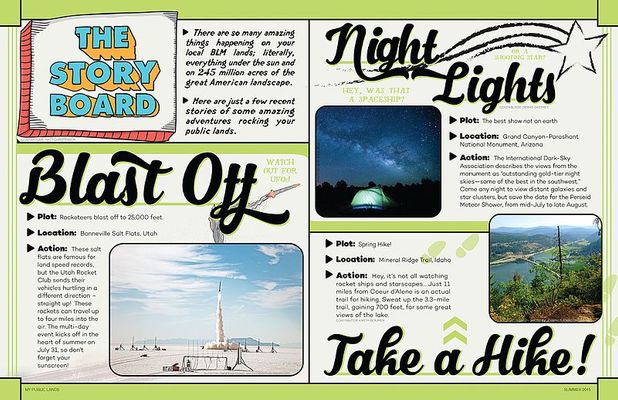
Travel writing is designed to inform people about places. Travel is a personal luxury, so usually, people read travel writing for entertainment. Places and landscapes are visually exciting, so descriptive language is common.
Purpose of travel writing
- Travel writing for guide books like Frommers or Lonely Planet involves listing what there is to do in a country and this kind of writing will often be informative.
- Travel writing for magazines or publications is usually targeted at people who read about travel for leisure. This is more likely to be entertaining.
- Travel writing for adverts (e.g. the Tourist Board of Bahrain) will often be focused on persuasion because they want people to visit Bahrain.
- The purpose of the writing will affect the kind of language used.

Tone and style of travel writing
- Travel writers in a magazine trying to entertain people are likely to use a personal tone, write in the first person to narrate their own experience and may even use humour, puns or cyclic repetition to create a relationship with the reader. These will be informal articles.
- Even travel writing to persuade people to visit a place may be quite informal because most people have an informal mindset and want escapism from a holiday. People want to relax on holiday so a formal tone may not be appropriate.

Features of travel writing
- Lots of descriptive and emotive tone and language to describe the visual and sensory experience.
- A personalised tone and a final recommendation or opinion on the place.
- A title and strapline (that builds on the title) to give the reader an idea of what the piece of travel writing is about.
1Key Terms
2Language Techniques
2.1Language Devices
3Paper 1: Reading
3.1Paper 1: Reading - Section A
3.1.1Paper 1: Reading - Overview - Section A3.1.2Paper 1: Reading - Answering Question 13.1.3Paper 1: Reading - Answering Question 23.1.4Exam-Style Questions - Paper 1: Reading3.1.5Paper 1: Reading - Answering Question 33.1.6Paper 1: Reading - Answering Question 43.1.7End of Topic Test - Section A3.1.8Exam-Style Questions - Paper 1: Reading3.1.9Diagnostic Misconceptions - P1 Q23.1.10Diagnostic Misconceptions - P1 Q33.1.11Diagnostic Misconceptions - P1 Q4 13.1.12Diagnostic Misconceptions - P1 Q4 2
4Paper 1: Writing
4.1Paper 1: Writing - Structuring Your Answer
4.1.1Paper 1: Writing - Overview - Section B4.1.2Paper 1: Writing - Descriptive Writing4.1.3Paper 1: Writing - Narrative Writing4.1.4Paper 1: Writing - Answering Section B (option 1)4.1.5Paper 1: Writing - Answering Section B (option 2)4.1.6Paper 1: Writing - Answering Section B - Checklist4.1.7End of Topic Test - Writing Section4.1.8Exam-Style Questions - Paper 1: Writing4.1.9Diagnostic Misconceptions - P1 Q5 14.1.10Diagnostic Misconceptions - P1 Q5 2
5Paper 2: Reading
5.1Paper 2: Reading - DAFORESTER
5.1.1Paper 2: Reading - Direct Address5.1.2Paper 2: Reading - Alliteration5.1.3Paper 2: Reading - Facts5.1.4Paper 2: Reading - Opinions5.1.5Paper 2: Reading - Repetition5.1.6Paper 2: Reading - Exaggeration (Hyperbole)5.1.7Paper 2: Reading - Statistics5.1.8Paper 2: Reading - Triples (Rule of 3)5.1.9Paper 2: Reading - Emotive Language5.1.10Paper 2: Reading - Rhetorical Questions5.1.11End of Topic Test - DAFORESTER
5.2Paper 2: Reading - Structuring Your Answer
5.2.1Paper 2: Reading - Overview - Section A5.2.2Paper 2: Reading - Answering Question 15.2.3Paper 2: Reading - Answering Question 25.2.4Paper 2: Reading - Answering Question 35.2.5Exam-Style Questions - Paper 2: Reading5.2.6Paper 2: Reading - Answering Question 45.2.7End of Topic Test - Section A5.2.8Exam-Style Questions - Paper 2: Reading5.2.9Diagnostic Misconceptions - P2 Q15.2.10Diagnostic Misconceptions - P2 Q2 15.2.11Diagnostic Misconceptions - P2 Q2 25.2.12Diagnostic Misconceptions - P2 Q4
6Paper 2: Writing
6.1Paper 2: Writing - Structuring Your Answer
6.2Types of Writing
6.2.1Paper 2: Writing - Article6.2.2Paper 2: Writing - Essay6.2.3Paper 2: Writing - Leaflet6.2.4Paper 2: Writing - Letter6.2.5Paper 2: Writing - Speech6.2.6Paper 2: Writing - Review6.2.7Paper 2: Writing - Travel Writing6.2.8Paper 2: Writing - Diaries & Journals6.2.9End of Topic Test - Types of Writing
6.3Writing to...
6.3.1Paper 2: Writing - Writing to Inform6.3.2Paper 2: Writing - Writing to Inform - Example6.3.3Paper 2: Writing - Writing to Explain6.3.4Paper 2: Writing - Writing to Explain - Example6.3.5Paper 2: Writing - Writing to Persuade6.3.6Paper 2: Writing - Writing to Persuade - Example6.3.7Paper 2: Writing - Writing to Argue6.3.8Paper 2: Writing - Writing to Argue - Example6.3.9Paper 2: Writing - Writing to Persuade vs Writing6.3.10Paper 2: Writing - Writing to Advise6.3.11Paper 2: Writing - Writing to Advise - Example6.3.12End of Topic Test - Writing to...6.3.13Exam-Style Questions - Paper 2: Writing
Jump to other topics
1Key Terms
2Language Techniques
2.1Language Devices
3Paper 1: Reading
3.1Paper 1: Reading - Section A
3.1.1Paper 1: Reading - Overview - Section A3.1.2Paper 1: Reading - Answering Question 13.1.3Paper 1: Reading - Answering Question 23.1.4Exam-Style Questions - Paper 1: Reading3.1.5Paper 1: Reading - Answering Question 33.1.6Paper 1: Reading - Answering Question 43.1.7End of Topic Test - Section A3.1.8Exam-Style Questions - Paper 1: Reading3.1.9Diagnostic Misconceptions - P1 Q23.1.10Diagnostic Misconceptions - P1 Q33.1.11Diagnostic Misconceptions - P1 Q4 13.1.12Diagnostic Misconceptions - P1 Q4 2
4Paper 1: Writing
4.1Paper 1: Writing - Structuring Your Answer
4.1.1Paper 1: Writing - Overview - Section B4.1.2Paper 1: Writing - Descriptive Writing4.1.3Paper 1: Writing - Narrative Writing4.1.4Paper 1: Writing - Answering Section B (option 1)4.1.5Paper 1: Writing - Answering Section B (option 2)4.1.6Paper 1: Writing - Answering Section B - Checklist4.1.7End of Topic Test - Writing Section4.1.8Exam-Style Questions - Paper 1: Writing4.1.9Diagnostic Misconceptions - P1 Q5 14.1.10Diagnostic Misconceptions - P1 Q5 2
5Paper 2: Reading
5.1Paper 2: Reading - DAFORESTER
5.1.1Paper 2: Reading - Direct Address5.1.2Paper 2: Reading - Alliteration5.1.3Paper 2: Reading - Facts5.1.4Paper 2: Reading - Opinions5.1.5Paper 2: Reading - Repetition5.1.6Paper 2: Reading - Exaggeration (Hyperbole)5.1.7Paper 2: Reading - Statistics5.1.8Paper 2: Reading - Triples (Rule of 3)5.1.9Paper 2: Reading - Emotive Language5.1.10Paper 2: Reading - Rhetorical Questions5.1.11End of Topic Test - DAFORESTER
5.2Paper 2: Reading - Structuring Your Answer
5.2.1Paper 2: Reading - Overview - Section A5.2.2Paper 2: Reading - Answering Question 15.2.3Paper 2: Reading - Answering Question 25.2.4Paper 2: Reading - Answering Question 35.2.5Exam-Style Questions - Paper 2: Reading5.2.6Paper 2: Reading - Answering Question 45.2.7End of Topic Test - Section A5.2.8Exam-Style Questions - Paper 2: Reading5.2.9Diagnostic Misconceptions - P2 Q15.2.10Diagnostic Misconceptions - P2 Q2 15.2.11Diagnostic Misconceptions - P2 Q2 25.2.12Diagnostic Misconceptions - P2 Q4
6Paper 2: Writing
6.1Paper 2: Writing - Structuring Your Answer
6.2Types of Writing
6.2.1Paper 2: Writing - Article6.2.2Paper 2: Writing - Essay6.2.3Paper 2: Writing - Leaflet6.2.4Paper 2: Writing - Letter6.2.5Paper 2: Writing - Speech6.2.6Paper 2: Writing - Review6.2.7Paper 2: Writing - Travel Writing6.2.8Paper 2: Writing - Diaries & Journals6.2.9End of Topic Test - Types of Writing
6.3Writing to...
6.3.1Paper 2: Writing - Writing to Inform6.3.2Paper 2: Writing - Writing to Inform - Example6.3.3Paper 2: Writing - Writing to Explain6.3.4Paper 2: Writing - Writing to Explain - Example6.3.5Paper 2: Writing - Writing to Persuade6.3.6Paper 2: Writing - Writing to Persuade - Example6.3.7Paper 2: Writing - Writing to Argue6.3.8Paper 2: Writing - Writing to Argue - Example6.3.9Paper 2: Writing - Writing to Persuade vs Writing6.3.10Paper 2: Writing - Writing to Advise6.3.11Paper 2: Writing - Writing to Advise - Example6.3.12End of Topic Test - Writing to...6.3.13Exam-Style Questions - Paper 2: Writing
Practice questions on Paper 2: Writing - Travel Writing
Can you answer these? Test yourself with free interactive practice on Seneca — used by over 10 million students.
- 1Features of travel writing:True / false
- 2Features of travel writing:Fill in the list
- 3Which of these would be an example of travel writing?Multiple choice
Unlock your full potential with Seneca Premium
Unlimited access to 10,000+ open-ended exam questions
Mini-mock exams based on your study history
Unlock 800+ premium courses & e-books