7.6.1
Social & Technological Environment
Test your knowledge with free interactive questions on Seneca — used by over 10 million students.
Impact of Demographic Changes
Demographic changes, including changes in the population structure, can affect a business in several ways.
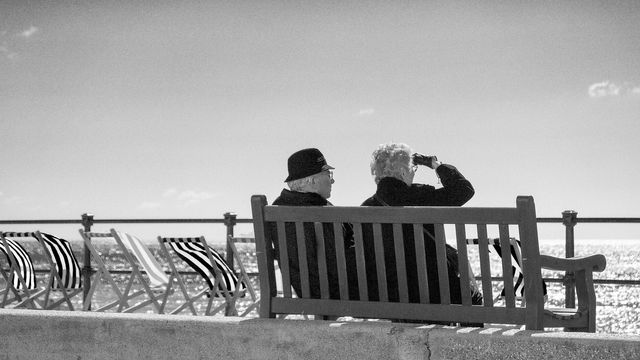
Impact of the ageing population
- The UK’s population is ageing, and as healthcare improves and people live longer, demand for products and services can change.
- For example, Saga holidays, which targets over 50s with holiday packages, may need to increase its capacity as demand from over 50s increases for its holiday products.

Rising birth rates
- The UK’s population is expanding as birth rates continue to increase.
- An expanding population will increase demand for products and services and businesses must be able to respond to these increases to maintain market share.
- For example, as the population increases, food producers must be able to increase production to meet demand.

Migration
- Migration, the movement of people between countries, can affect demand for products and services.
1What is Business?
1.1Nature & Purpose of Business
1.2Different Business Forms
1.3Businesses Operate Within an External Environment
2Managers, Leadership & Decision Making
2.1Management, Leadership & Decision Making
2.2Management Decision Making
2.3Role & Importance of Stakeholders
3Marketing Management
3.1Setting Marketing Objectives
3.2Understanding Markets & Customers
3.3Segmentation, Targeting, Positioning
3.4Using the Marketing Mix
3.4.1Marketing Mix3.4.2Pricing Decisions & Price Skimming3.4.3Pricing Decisions & Price Penetration3.4.4Promotional Decisions3.4.5Promotional Decisions 23.4.6Promotional Decisions 33.4.7Distribution Decisions3.4.8Distribution Decisions 23.4.9Social Media & Influencers3.4.10Digital Marketing3.4.11Evaluating Digital Marketing3.4.12A-A* (AO3/4) - The Marketing Mix & Promotion3.4.13A-A* (AO3/4) - Pricing & Competition
4Operational Management
4.1Setting Operational Objectives
4.2Analysing Operational Performance
4.3Increasing Efficiency & Productivity
4.4Improving Quality
4.5Managing Inventory & Supply Chains
4.6Business & The External Environment
5Financial Management
5.1Setting Financial Objectives
5.2Analysing Financial Performance
5.3Sources of Finance
5.4Improving Cash Flow & Profits
6Human Resource Management
6.1Setting Human Resource Objectives
6.2Analysing Human Resource Performance
6.3Improving Org Design & Human Resource Flow
6.4Improving Motivation & Engagement
6.5Improving Employer-Employee Relations
7Strategic Position of a Business (A Level Only)
7.1Mission, Objectives, Strategy
7.2Financial Ratio Analysis
7.3Assessing Overall Performance
7.4Assessing Political & Legal Change
7.5Assessing Economic Change
7.6Assessing Social & Technological Change
7.7The Competitive Environment
7.8Investment Appraisal
8Choosing Strategic Direction (A Level Only)
8.1Markets to Compete & Products to Offer
8.2How to Compete
9Pursuing Strategies (A Level Only)
9.1Assessing a Change in Scale
9.2Assessing Innovation
9.3Globalisation & Internationalisation
9.4Greater Use of Digital Technology
10Managing Strategic Change
10.1Managing Change
10.2Managing Organisational Culture
10.3Managing Strategic Implementation
10.4Problems with Strategy & Why They Fail
Jump to other topics
1What is Business?
1.1Nature & Purpose of Business
1.2Different Business Forms
1.3Businesses Operate Within an External Environment
2Managers, Leadership & Decision Making
2.1Management, Leadership & Decision Making
2.2Management Decision Making
2.3Role & Importance of Stakeholders
3Marketing Management
3.1Setting Marketing Objectives
3.2Understanding Markets & Customers
3.3Segmentation, Targeting, Positioning
3.4Using the Marketing Mix
3.4.1Marketing Mix3.4.2Pricing Decisions & Price Skimming3.4.3Pricing Decisions & Price Penetration3.4.4Promotional Decisions3.4.5Promotional Decisions 23.4.6Promotional Decisions 33.4.7Distribution Decisions3.4.8Distribution Decisions 23.4.9Social Media & Influencers3.4.10Digital Marketing3.4.11Evaluating Digital Marketing3.4.12A-A* (AO3/4) - The Marketing Mix & Promotion3.4.13A-A* (AO3/4) - Pricing & Competition
4Operational Management
4.1Setting Operational Objectives
4.2Analysing Operational Performance
4.3Increasing Efficiency & Productivity
4.4Improving Quality
4.5Managing Inventory & Supply Chains
4.6Business & The External Environment
5Financial Management
5.1Setting Financial Objectives
5.2Analysing Financial Performance
5.3Sources of Finance
5.4Improving Cash Flow & Profits
6Human Resource Management
6.1Setting Human Resource Objectives
6.2Analysing Human Resource Performance
6.3Improving Org Design & Human Resource Flow
6.4Improving Motivation & Engagement
6.5Improving Employer-Employee Relations
7Strategic Position of a Business (A Level Only)
7.1Mission, Objectives, Strategy
7.2Financial Ratio Analysis
7.3Assessing Overall Performance
7.4Assessing Political & Legal Change
7.5Assessing Economic Change
7.6Assessing Social & Technological Change
7.7The Competitive Environment
7.8Investment Appraisal
8Choosing Strategic Direction (A Level Only)
8.1Markets to Compete & Products to Offer
8.2How to Compete
9Pursuing Strategies (A Level Only)
9.1Assessing a Change in Scale
9.2Assessing Innovation
9.3Globalisation & Internationalisation
9.4Greater Use of Digital Technology
10Managing Strategic Change
10.1Managing Change
10.2Managing Organisational Culture
10.3Managing Strategic Implementation
10.4Problems with Strategy & Why They Fail
Practice questions on Social & Technological Environment
Can you answer these? Test yourself with free interactive practice on Seneca — used by over 10 million students.
- 1
- 2What has grown in recent years, impacting buying habits?Multiple choice
- 3What is happening to the UK's population?Multiple choice
- 4
Unlock your full potential with Seneca Premium
Unlimited access to 10,000+ open-ended exam questions
Mini-mock exams based on your study history
Unlock 800+ premium courses & e-books
Social and Technological Environment
Changes in society and technology can affect a business’ strategic and functional decision making.
Migration
Consumer lifestyle changes
Social changes