9.2.2
Case Study: The Holderness Coast
Test your knowledge with free interactive questions on Seneca — used by over 10 million students.
Coastal Erosion in Holderness
The Holderness coast is located next to the city of Hull in the north-east of England. Each year, the Holderness Coast retreats 1-2 metres. The area is particularly vulnerable to erosion because of:

Strong prevailing winds
- Strong prevailing winds create destructive waves that can do more damage to the coast.
- The prevailing winds also mean that any eroded material moves away from the place that was eroded (leaving the soft rock exposed).
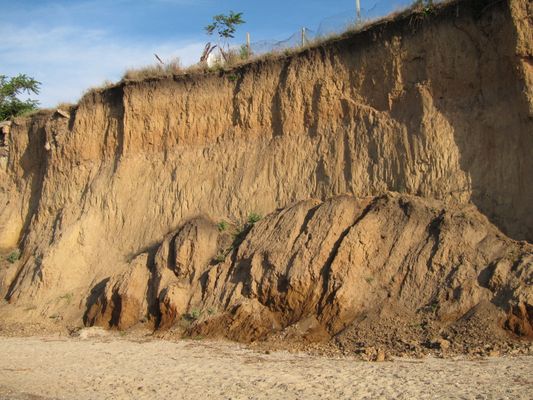
Clay cliffs
- The Holderness Coast is made of boulder clay.
- This is very soft and easy to erode.
- Heavy rainfall can cause mass movements in the boulder clay cliffs.
Coastal Management in Holderness
In 1991, a £2 million project built rock groynes and rock revetments at Mappleton in the Holderness coast. These are examples of hard engineering.
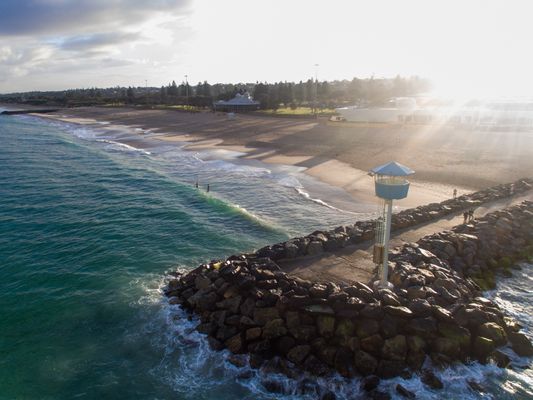
Rock groynes
- The rock groynes tried to stop sediment being carried away from the Holderness Coast and tried to create a larger beach to protect the land behind.
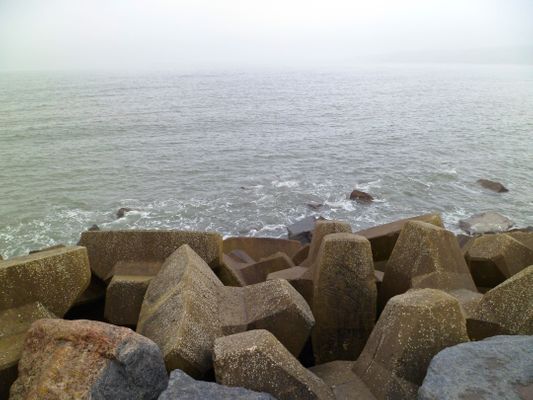
Rock armour
- Rock armour was placed at the foot of the cliffs.
- The rock armour is meant to absorb some of the waves' energy, instead of the coast or cliffs.
What are the Results & Effects of Coastal Management at Mappleton?
The cliffs at Mappleton now erode at 1-2 metres per year, instead of the 7-10 metres before 1991. Mappleton now has a larger beach, however, there have been some negative effects:
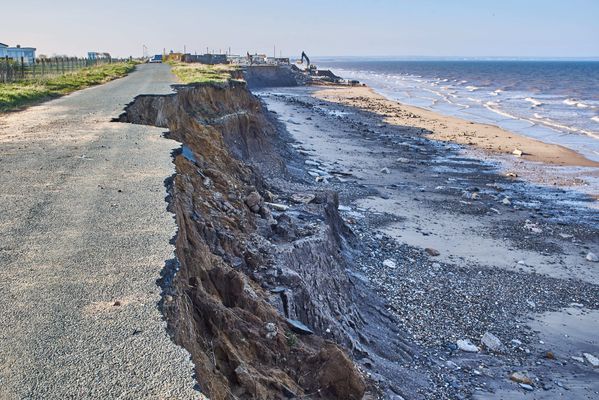
Area south of Mappleton
- The area south of Mappleton is experiencing faster coastal erosion as a byproduct.
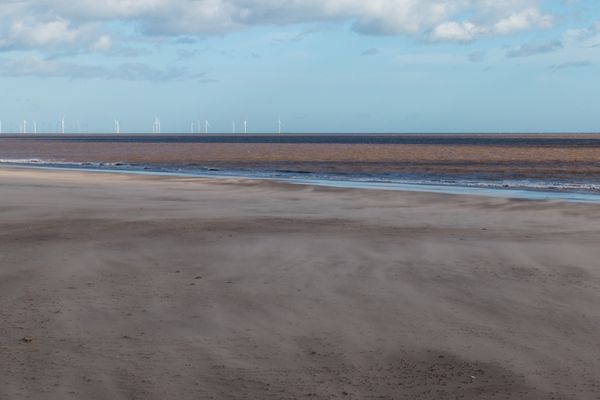
Spurn Point
- The Spurn Point area south, has become less secure.
- Less material is washed down the Holderness Coast.
- Some Hebridean Sheep were washed away and killed. People are now warned not to visit the Point at some times of year, or they too could be washed away.
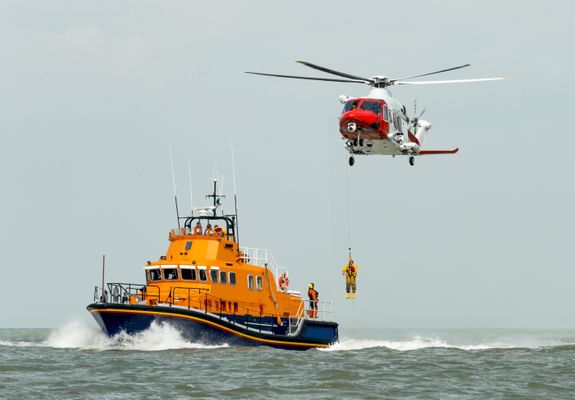
Spurn Point lifeboat & visitor's centre
- £471,000 was spent on a visitor's centre which could become less accessible over time.
- Lifeboat services also operate from Spurn Point.
1Geography Skills
1.1Mapping
2Geology of the UK
2.1The UK's Rocks
2.2Case Study: The Peak District
3Geography of the World
4Development
4.1Development
4.2Uneven Development
4.3Case Study: Democratic Republic of Congo
5Weather & Climate
5.1Weather
5.2Climate
6The World of Work
7Natural Resources
7.1Rocks
8Rivers
8.1River Processes & Landforms
8.2Rivers & Flooding
9Coasts
9.1Formation of Coastal Landforms
10Glaciers
10.1Overview of Glaciers & How They Work
11Tectonics
11.1Continental Drift & Plate Tectonics
11.2Volcanoes
11.3Earthquakes
11.5Managing the Risk of Volcanoes & Earthquakes
12Climate Change
12.1The Causes & Consequences of Climate Change
13Global Population & Inequality
14Urbanisation
14.1Urbanisation
15Ecosystems
15.1The Major Biomes
15.2Case Study: The Amazon Rainforest
16Life in an Emerging Country
16.1Case Studies
17Analysis of Africa
17.1Africa
18Analysis of India
18.1India - Physical Geography
19Analysis of the Middle East
19.1The Middle East
20Analysis of Bangladesh
20.1Bangladesh Physical Geography
21Analysis of Russia
21.1Russia's Physical Geography
21.2Russia's Human Geography
Jump to other topics
1Geography Skills
1.1Mapping
2Geology of the UK
2.1The UK's Rocks
2.2Case Study: The Peak District
3Geography of the World
4Development
4.1Development
4.2Uneven Development
4.3Case Study: Democratic Republic of Congo
5Weather & Climate
5.1Weather
5.2Climate
6The World of Work
7Natural Resources
7.1Rocks
8Rivers
8.1River Processes & Landforms
8.2Rivers & Flooding
9Coasts
9.1Formation of Coastal Landforms
10Glaciers
10.1Overview of Glaciers & How They Work
11Tectonics
11.1Continental Drift & Plate Tectonics
11.2Volcanoes
11.3Earthquakes
11.5Managing the Risk of Volcanoes & Earthquakes
12Climate Change
12.1The Causes & Consequences of Climate Change
13Global Population & Inequality
14Urbanisation
14.1Urbanisation
15Ecosystems
15.1The Major Biomes
15.2Case Study: The Amazon Rainforest
16Life in an Emerging Country
16.1Case Studies
17Analysis of Africa
17.1Africa
18Analysis of India
18.1India - Physical Geography
19Analysis of the Middle East
19.1The Middle East
20Analysis of Bangladesh
20.1Bangladesh Physical Geography
21Analysis of Russia
21.1Russia's Physical Geography
21.2Russia's Human Geography
Practice questions on Case Study: The Holderness Coast
Can you answer these? Test yourself with free interactive practice on Seneca — used by over 10 million students.
- 1How far does the Holderness coast retreat every year?Multiple choice
- 2What are the cliffs of the Holderness coast made up of?Multiple choice
- 3
- 4Why is the Holderness coast so vulnerable to erosion?Fill in the list
- 5
Unlock your full potential with Seneca Premium
Unlimited access to 10,000+ open-ended exam questions
Mini-mock exams based on your study history
Unlock 800+ premium courses & e-books