18.2.2
Urbanisation in India
Test your knowledge with free interactive questions on Seneca — used by over 10 million students.
Urbanisation
Mumbai, Kolkata and Delhi are the three most populated cities in India.

Urbanisation
- The rate of urbanisation in India is increasing.
- 34% of people now live in urban areas of the country.
- The three most populated cities in India are:
- Mumbai
- Kolkata
- Delhi

Mumbai
- Mumbai is located in the state of Maharashtra and is one of the key cities on the west coast of the country.
- The population of Mumbai from the 2001 census was 12 million, but the wider metropolitan area is estimated to be over 22 million.

Population growth
- The cause of rapid population growth in Mumbai in recent decades has been the result of natural increase and rural-urban migration.
- This has resulted in a rapid expansion of squatter settlements on the edge of the city leading to several challenges for the government including:
- Sanitation issues, diseases, water shortages and waste disposal.

Kolkata
- Kolkata, located in the state of West Bengal, has an estimated population of 4.6 million and is the 7th most populated city in India.
- If you include the wider metropolitan area the city’s population exceeds 14 million, making it the 3rd largest city in relation to its metropolitan area.

Urban growth
- Similar to Mumbai, Kolkata has experienced rapid urban growth because of natural increase and rural-urban migration which has also created challenges for the government.
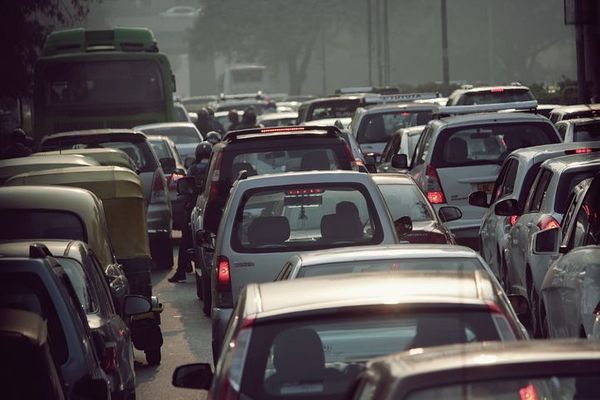
Congestion and waste
- Traffic congestion in both cities is a huge issue, with gridlocked roads and dangerously packed trains a daily challenge due to millions of people trying to navigate around the city.
- In terms of waste disposal, Mumbai is struggling to deal with the 7000 metric tonnes of rubbish produced each day, leading to overflowing waste on the streets, causing diseases to spread.

The future
- The Indian government recognises that measures must be taken to make these cities habitable.
- Mumbai officials have considered several options to try and deal with the challenges caused by the rapid population growth, such as:
- Driverless cars, improved traffic lighting, new waste disposal recycling schemes and awareness of the issues through educating its citizens on how to live more sustainably.
1Geography Skills
1.1Mapping
2Geology of the UK
2.1The UK's Rocks
2.2Case Study: The Peak District
3Geography of the World
4Development
4.1Development
4.2Uneven Development
4.3Case Study: Democratic Republic of Congo
5Weather & Climate
5.1Weather
5.1.1Weather & Climate5.1.2Components of Weather5.1.3Temperature5.1.4Sunshine, Humidity & Air Pressure5.1.5Cloud Cover5.1.6Precipitation5.1.7Convectional Precipitation5.1.8Frontal Precipitation5.1.9Relief or Orographic Precipitation5.1.10Wind5.1.11Extreme Wind5.1.12Recording the Weather5.1.13Extreme Weather5.1.14Weather Hazards - Statistical Skills
5.2Climate
6The World of Work
7Natural Resources
7.1Rocks
8Rivers
8.1River Processes & Landforms
8.1.1Overview of Rivers8.1.2The Bradshaw Model8.1.3Erosion8.1.4Sediment Transport8.1.5River Deposition8.1.6Landforms8.1.7River Profiles: Long Profiles8.1.8River Profiles: Cross Profiles8.1.9Waterfalls & Gorges8.1.10Interlocking Spurs8.1.11Meanders8.1.12Floodplains8.1.13Levees8.1.14Case Study: River Tees
8.2Rivers & Flooding
8.2.1Flood Risk Factors8.2.2Flood Management: Hard Engineering8.2.3Flood Management: Soft Engineering8.2.4Flooding Case Study: Boscastle8.2.5Flooding Case Study: Consequences of Boscastle8.2.6Flooding Case Study: Responses to Boscastle8.2.7Flooding Case Study: Bangladesh8.2.8Flooding Case Study: Bangladesh - Consequences8.2.9End of Topic Test - Rivers8.2.10Rivers Case Study: The Nile8.2.11Rivers Case Study: The Mississippi
9Coasts
9.1Formation of Coastal Landforms
10Glaciers
10.1Overview of Glaciers & How They Work
10.1.1Distribution of Glaciers10.1.2Types of Glaciers10.1.3The Last Ice Age10.1.4Formation & Movement of Glaciers10.1.5Shaping of Landscapes by Glaciers10.1.6Glacial Landforms Created by Erosion10.1.7Glacial Till & Outwash Plain10.1.8Moraines10.1.9Drumlins & Erratics10.1.10End of Topic Tests - Glaciers10.1.11Tourism in Glacial Landscapes10.1.12Strategies for Coping with Tourists10.1.13Case Study - Lake District: Tourism10.1.14Case Study - Lake District: Management
11Tectonics
11.1Continental Drift & Plate Tectonics
11.2Volcanoes
11.3Earthquakes
11.5Managing the Risk of Volcanoes & Earthquakes
12Climate Change
12.1The Causes & Consequences of Climate Change
12.1.1Evidence for Climate Change12.1.2Natural Causes of Climate Change12.1.3Human Causes of Climate Change12.1.4The Greenhouse Effect12.1.5Effects of Climate Change on the Environment12.1.6Effects of Climate Change on People12.1.7Climate Change Predictions12.1.8Uncertainty About Future Climate Change12.1.9Mitigating Against Climate Change12.1.10Adapting to Climate Change12.1.11Case Study: Bangladesh12.1.12Climate Change - Statistical Skills
13Global Population & Inequality
14Urbanisation
14.1Urbanisation
14.1.1Rural Characterisitcs14.1.2Urban Characteristics14.1.3Urbanisation Growth14.1.4The Land Use Model14.1.5Rural-Urban Pull Factors14.1.6Rural-Urban Push Factors14.1.7The Impacts of Migration14.1.8Challenges of Urban Areas in Developed Countries14.1.9Challenges of Urban Areas in Developing Countries14.1.10Urban Sustainability14.1.11Case Study: China's Urbanisation14.1.12Major UK Cities14.1.13Urbanisation in the UK14.1.14End of Topic Test- Urbanisation14.1.15End of Topic Test - Urban Issues14.1.16Urban Issues - Statistical Skills
15Ecosystems
15.1The Major Biomes
15.2Case Study: The Amazon Rainforest
15.2.1Interdependence of Rainforest Ecosystems15.2.2Nutrient Cycling in Tropical Rainforests15.2.3Deforestation in the Amazon15.2.4Impacts of Deforestation in the Amazon15.2.5Protecting the Amazon15.2.6Adaptations of Plants to Rainforests15.2.7Adaptations of Animals to Rainforests15.2.8Deforestation - Statistical Skills
16Life in an Emerging Country
16.1Case Studies
17Analysis of Africa
17.1Africa
17.1.1Desert Biomes in Africa17.1.2The Semi-Desert Biome17.1.3The Savanna Biome17.1.4Overview of Tropical Rainforests17.1.5Colonisation History17.1.6Population Distribution in Africa17.1.7Economic Resources in Africa17.1.8Urbanisation in Africa17.1.9Africa's Location17.1.10Physical Geography of Africa17.1.11Desertification in Africa17.1.12Reducing the Risk of Desertification17.1.13Case Study: The Sahara Desert - Opportunities17.1.14Case Study: The Sahara Desert - Development
18Analysis of India
18.1India - Physical Geography
19Analysis of the Middle East
19.1The Middle East
19.1.1Physical Geography of the Middle East19.1.2Human Geography of the Middle East19.1.3Climate Zones in the Middle East19.1.4Oil & Natural Gas in the Middle East19.1.5Water in the Middle East19.1.6Population of the Middle East19.1.7Development Case Studies: The UAE19.1.8Development Case Studies: Yemen19.1.9Supporting Development in Yemen19.1.10Connection to the UK19.1.11Importance of Oil19.1.12Oil & Tourism in the UAE
20Analysis of Bangladesh
20.1Bangladesh Physical Geography
21Analysis of Russia
21.1Russia's Physical Geography
21.2Russia's Human Geography
Jump to other topics
1Geography Skills
1.1Mapping
2Geology of the UK
2.1The UK's Rocks
2.2Case Study: The Peak District
3Geography of the World
4Development
4.1Development
4.2Uneven Development
4.3Case Study: Democratic Republic of Congo
5Weather & Climate
5.1Weather
5.1.1Weather & Climate5.1.2Components of Weather5.1.3Temperature5.1.4Sunshine, Humidity & Air Pressure5.1.5Cloud Cover5.1.6Precipitation5.1.7Convectional Precipitation5.1.8Frontal Precipitation5.1.9Relief or Orographic Precipitation5.1.10Wind5.1.11Extreme Wind5.1.12Recording the Weather5.1.13Extreme Weather5.1.14Weather Hazards - Statistical Skills
5.2Climate
6The World of Work
7Natural Resources
7.1Rocks
8Rivers
8.1River Processes & Landforms
8.1.1Overview of Rivers8.1.2The Bradshaw Model8.1.3Erosion8.1.4Sediment Transport8.1.5River Deposition8.1.6Landforms8.1.7River Profiles: Long Profiles8.1.8River Profiles: Cross Profiles8.1.9Waterfalls & Gorges8.1.10Interlocking Spurs8.1.11Meanders8.1.12Floodplains8.1.13Levees8.1.14Case Study: River Tees
8.2Rivers & Flooding
8.2.1Flood Risk Factors8.2.2Flood Management: Hard Engineering8.2.3Flood Management: Soft Engineering8.2.4Flooding Case Study: Boscastle8.2.5Flooding Case Study: Consequences of Boscastle8.2.6Flooding Case Study: Responses to Boscastle8.2.7Flooding Case Study: Bangladesh8.2.8Flooding Case Study: Bangladesh - Consequences8.2.9End of Topic Test - Rivers8.2.10Rivers Case Study: The Nile8.2.11Rivers Case Study: The Mississippi
9Coasts
9.1Formation of Coastal Landforms
10Glaciers
10.1Overview of Glaciers & How They Work
10.1.1Distribution of Glaciers10.1.2Types of Glaciers10.1.3The Last Ice Age10.1.4Formation & Movement of Glaciers10.1.5Shaping of Landscapes by Glaciers10.1.6Glacial Landforms Created by Erosion10.1.7Glacial Till & Outwash Plain10.1.8Moraines10.1.9Drumlins & Erratics10.1.10End of Topic Tests - Glaciers10.1.11Tourism in Glacial Landscapes10.1.12Strategies for Coping with Tourists10.1.13Case Study - Lake District: Tourism10.1.14Case Study - Lake District: Management
11Tectonics
11.1Continental Drift & Plate Tectonics
11.2Volcanoes
11.3Earthquakes
11.5Managing the Risk of Volcanoes & Earthquakes
12Climate Change
12.1The Causes & Consequences of Climate Change
12.1.1Evidence for Climate Change12.1.2Natural Causes of Climate Change12.1.3Human Causes of Climate Change12.1.4The Greenhouse Effect12.1.5Effects of Climate Change on the Environment12.1.6Effects of Climate Change on People12.1.7Climate Change Predictions12.1.8Uncertainty About Future Climate Change12.1.9Mitigating Against Climate Change12.1.10Adapting to Climate Change12.1.11Case Study: Bangladesh12.1.12Climate Change - Statistical Skills
13Global Population & Inequality
14Urbanisation
14.1Urbanisation
14.1.1Rural Characterisitcs14.1.2Urban Characteristics14.1.3Urbanisation Growth14.1.4The Land Use Model14.1.5Rural-Urban Pull Factors14.1.6Rural-Urban Push Factors14.1.7The Impacts of Migration14.1.8Challenges of Urban Areas in Developed Countries14.1.9Challenges of Urban Areas in Developing Countries14.1.10Urban Sustainability14.1.11Case Study: China's Urbanisation14.1.12Major UK Cities14.1.13Urbanisation in the UK14.1.14End of Topic Test- Urbanisation14.1.15End of Topic Test - Urban Issues14.1.16Urban Issues - Statistical Skills
15Ecosystems
15.1The Major Biomes
15.2Case Study: The Amazon Rainforest
15.2.1Interdependence of Rainforest Ecosystems15.2.2Nutrient Cycling in Tropical Rainforests15.2.3Deforestation in the Amazon15.2.4Impacts of Deforestation in the Amazon15.2.5Protecting the Amazon15.2.6Adaptations of Plants to Rainforests15.2.7Adaptations of Animals to Rainforests15.2.8Deforestation - Statistical Skills
16Life in an Emerging Country
16.1Case Studies
17Analysis of Africa
17.1Africa
17.1.1Desert Biomes in Africa17.1.2The Semi-Desert Biome17.1.3The Savanna Biome17.1.4Overview of Tropical Rainforests17.1.5Colonisation History17.1.6Population Distribution in Africa17.1.7Economic Resources in Africa17.1.8Urbanisation in Africa17.1.9Africa's Location17.1.10Physical Geography of Africa17.1.11Desertification in Africa17.1.12Reducing the Risk of Desertification17.1.13Case Study: The Sahara Desert - Opportunities17.1.14Case Study: The Sahara Desert - Development
18Analysis of India
18.1India - Physical Geography
19Analysis of the Middle East
19.1The Middle East
19.1.1Physical Geography of the Middle East19.1.2Human Geography of the Middle East19.1.3Climate Zones in the Middle East19.1.4Oil & Natural Gas in the Middle East19.1.5Water in the Middle East19.1.6Population of the Middle East19.1.7Development Case Studies: The UAE19.1.8Development Case Studies: Yemen19.1.9Supporting Development in Yemen19.1.10Connection to the UK19.1.11Importance of Oil19.1.12Oil & Tourism in the UAE
20Analysis of Bangladesh
20.1Bangladesh Physical Geography
21Analysis of Russia
21.1Russia's Physical Geography
21.2Russia's Human Geography
Practice questions on Urbanisation in India
Can you answer these? Test yourself with free interactive practice on Seneca — used by over 10 million students.
- 1Most populated Indian cities: Put in order
- 2What percentage of people now live in urban areas in India?Multiple choice
- 3The three most populated cities in India:Fill in the list
- 4
- 5
Unlock your full potential with Seneca Premium
Unlimited access to 10,000+ open-ended exam questions
Mini-mock exams based on your study history
Unlock 800+ premium courses & e-books