11.4.2
Case Study: Japan 2010 Tsunami
Test your knowledge with free interactive questions on Seneca — used by over 10 million students.
Impacts of the Japan Earthquake in 2011
Japan is a developed country in east Asia. Japan's geography is dominated by islands. The country is a high-risk area for tectonic hazards.
What caused the 2011 Japan tsunami?
- There was an earthquake with a magnitude of 9.0 in northeast Japan on the 11th March 2011.
- The earthquake is known as the Tohoku earthquake.
Primary impacts
- 1 million buildings were damaged and over 120,000 buildings were completely destroyed.
- Many buildings sunk into the ground because of liquefaction, which is when waterlogged soil acts like a liquid.
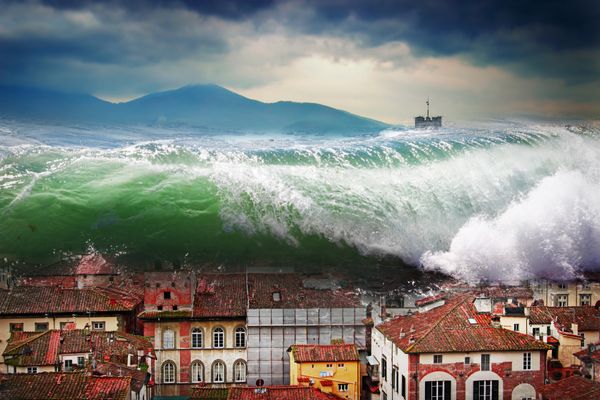
Secondary impacts
- The tsunami that was caused by the earthquake caused thousands of deaths (it is hard to know how many people died in the earthquake or the tsunami and lots of people are still missing).
- More than 150,000 people became homeless and in 2017, 6 years on, 50,000 people still had no homes.
- The tsunami damaged the Fukushima nuclear power station. Electricity could no longer reach Fukushima and there was a nuclear meltdown at the plant, releasing toxic nuclear waste into the local area.
- Railways lines were destroyed by the tsunami.
Long-term impact and response
- Economists estimate that the total damage done by the earthquake and tsunami is $200 bn. This is the largest amount of damage caused by any natural disaster ever.
- Japan was a high income country and had a new tsunami warning system. But, studies suggest that only 58% paid any attention to the tsunami warning.
- In the 12 months after the Tohoku earthquake, there were 5,000 aftershocks in Japan.
1Geography Skills
1.1Mapping
2Geology of the UK
2.1The UK's Rocks
2.2Case Study: The Peak District
3Geography of the World
4Development
4.1Development
4.2Uneven Development
4.3Case Study: Democratic Republic of Congo
5Weather & Climate
5.1Weather
5.1.1Weather & Climate5.1.2Components of Weather5.1.3Temperature5.1.4Sunshine, Humidity & Air Pressure5.1.5Cloud Cover5.1.6Precipitation5.1.7Convectional Precipitation5.1.8Frontal Precipitation5.1.9Relief or Orographic Precipitation5.1.10Wind5.1.11Extreme Wind5.1.12Recording the Weather5.1.13Extreme Weather5.1.14Weather Hazards - Statistical Skills
5.2Climate
6The World of Work
7Natural Resources
7.1Rocks
8Rivers
8.1River Processes & Landforms
8.1.1Overview of Rivers8.1.2The Bradshaw Model8.1.3Erosion8.1.4Sediment Transport8.1.5River Deposition8.1.6Landforms8.1.7River Profiles: Long Profiles8.1.8River Profiles: Cross Profiles8.1.9Waterfalls & Gorges8.1.10Interlocking Spurs8.1.11Meanders8.1.12Floodplains8.1.13Levees8.1.14Case Study: River Tees
8.2Rivers & Flooding
8.2.1Flood Risk Factors8.2.2Flood Management: Hard Engineering8.2.3Flood Management: Soft Engineering8.2.4Flooding Case Study: Boscastle8.2.5Flooding Case Study: Consequences of Boscastle8.2.6Flooding Case Study: Responses to Boscastle8.2.7Flooding Case Study: Bangladesh8.2.8Flooding Case Study: Bangladesh - Consequences8.2.9End of Topic Test - Rivers8.2.10Rivers Case Study: The Nile8.2.11Rivers Case Study: The Mississippi
9Coasts
9.1Formation of Coastal Landforms
10Glaciers
10.1Overview of Glaciers & How They Work
10.1.1Distribution of Glaciers10.1.2Types of Glaciers10.1.3The Last Ice Age10.1.4Formation & Movement of Glaciers10.1.5Shaping of Landscapes by Glaciers10.1.6Glacial Landforms Created by Erosion10.1.7Glacial Till & Outwash Plain10.1.8Moraines10.1.9Drumlins & Erratics10.1.10End of Topic Tests - Glaciers10.1.11Tourism in Glacial Landscapes10.1.12Strategies for Coping with Tourists10.1.13Case Study - Lake District: Tourism10.1.14Case Study - Lake District: Management
11Tectonics
11.1Continental Drift & Plate Tectonics
11.2Volcanoes
11.3Earthquakes
11.5Managing the Risk of Volcanoes & Earthquakes
12Climate Change
12.1The Causes & Consequences of Climate Change
12.1.1Evidence for Climate Change12.1.2Natural Causes of Climate Change12.1.3Human Causes of Climate Change12.1.4The Greenhouse Effect12.1.5Effects of Climate Change on the Environment12.1.6Effects of Climate Change on People12.1.7Climate Change Predictions12.1.8Uncertainty About Future Climate Change12.1.9Mitigating Against Climate Change12.1.10Adapting to Climate Change12.1.11Case Study: Bangladesh12.1.12Climate Change - Statistical Skills
13Global Population & Inequality
14Urbanisation
14.1Urbanisation
14.1.1Rural Characterisitcs14.1.2Urban Characteristics14.1.3Urbanisation Growth14.1.4The Land Use Model14.1.5Rural-Urban Pull Factors14.1.6Rural-Urban Push Factors14.1.7The Impacts of Migration14.1.8Challenges of Urban Areas in Developed Countries14.1.9Challenges of Urban Areas in Developing Countries14.1.10Urban Sustainability14.1.11Case Study: China's Urbanisation14.1.12Major UK Cities14.1.13Urbanisation in the UK14.1.14End of Topic Test- Urbanisation14.1.15End of Topic Test - Urban Issues14.1.16Urban Issues - Statistical Skills
15Ecosystems
15.1The Major Biomes
15.2Case Study: The Amazon Rainforest
15.2.1Interdependence of Rainforest Ecosystems15.2.2Nutrient Cycling in Tropical Rainforests15.2.3Deforestation in the Amazon15.2.4Impacts of Deforestation in the Amazon15.2.5Protecting the Amazon15.2.6Adaptations of Plants to Rainforests15.2.7Adaptations of Animals to Rainforests15.2.8Deforestation - Statistical Skills
16Life in an Emerging Country
16.1Case Studies
17Analysis of Africa
17.1Africa
17.1.1Desert Biomes in Africa17.1.2The Semi-Desert Biome17.1.3The Savanna Biome17.1.4Overview of Tropical Rainforests17.1.5Colonisation History17.1.6Population Distribution in Africa17.1.7Economic Resources in Africa17.1.8Urbanisation in Africa17.1.9Africa's Location17.1.10Physical Geography of Africa17.1.11Desertification in Africa17.1.12Reducing the Risk of Desertification17.1.13Case Study: The Sahara Desert - Opportunities17.1.14Case Study: The Sahara Desert - Development
18Analysis of India
18.1India - Physical Geography
19Analysis of the Middle East
19.1The Middle East
19.1.1Physical Geography of the Middle East19.1.2Human Geography of the Middle East19.1.3Climate Zones in the Middle East19.1.4Oil & Natural Gas in the Middle East19.1.5Water in the Middle East19.1.6Population of the Middle East19.1.7Development Case Studies: The UAE19.1.8Development Case Studies: Yemen19.1.9Supporting Development in Yemen19.1.10Connection to the UK19.1.11Importance of Oil19.1.12Oil & Tourism in the UAE
20Analysis of Bangladesh
20.1Bangladesh Physical Geography
21Analysis of Russia
21.1Russia's Physical Geography
21.2Russia's Human Geography
Jump to other topics
1Geography Skills
1.1Mapping
2Geology of the UK
2.1The UK's Rocks
2.2Case Study: The Peak District
3Geography of the World
4Development
4.1Development
4.2Uneven Development
4.3Case Study: Democratic Republic of Congo
5Weather & Climate
5.1Weather
5.1.1Weather & Climate5.1.2Components of Weather5.1.3Temperature5.1.4Sunshine, Humidity & Air Pressure5.1.5Cloud Cover5.1.6Precipitation5.1.7Convectional Precipitation5.1.8Frontal Precipitation5.1.9Relief or Orographic Precipitation5.1.10Wind5.1.11Extreme Wind5.1.12Recording the Weather5.1.13Extreme Weather5.1.14Weather Hazards - Statistical Skills
5.2Climate
6The World of Work
7Natural Resources
7.1Rocks
8Rivers
8.1River Processes & Landforms
8.1.1Overview of Rivers8.1.2The Bradshaw Model8.1.3Erosion8.1.4Sediment Transport8.1.5River Deposition8.1.6Landforms8.1.7River Profiles: Long Profiles8.1.8River Profiles: Cross Profiles8.1.9Waterfalls & Gorges8.1.10Interlocking Spurs8.1.11Meanders8.1.12Floodplains8.1.13Levees8.1.14Case Study: River Tees
8.2Rivers & Flooding
8.2.1Flood Risk Factors8.2.2Flood Management: Hard Engineering8.2.3Flood Management: Soft Engineering8.2.4Flooding Case Study: Boscastle8.2.5Flooding Case Study: Consequences of Boscastle8.2.6Flooding Case Study: Responses to Boscastle8.2.7Flooding Case Study: Bangladesh8.2.8Flooding Case Study: Bangladesh - Consequences8.2.9End of Topic Test - Rivers8.2.10Rivers Case Study: The Nile8.2.11Rivers Case Study: The Mississippi
9Coasts
9.1Formation of Coastal Landforms
10Glaciers
10.1Overview of Glaciers & How They Work
10.1.1Distribution of Glaciers10.1.2Types of Glaciers10.1.3The Last Ice Age10.1.4Formation & Movement of Glaciers10.1.5Shaping of Landscapes by Glaciers10.1.6Glacial Landforms Created by Erosion10.1.7Glacial Till & Outwash Plain10.1.8Moraines10.1.9Drumlins & Erratics10.1.10End of Topic Tests - Glaciers10.1.11Tourism in Glacial Landscapes10.1.12Strategies for Coping with Tourists10.1.13Case Study - Lake District: Tourism10.1.14Case Study - Lake District: Management
11Tectonics
11.1Continental Drift & Plate Tectonics
11.2Volcanoes
11.3Earthquakes
11.5Managing the Risk of Volcanoes & Earthquakes
12Climate Change
12.1The Causes & Consequences of Climate Change
12.1.1Evidence for Climate Change12.1.2Natural Causes of Climate Change12.1.3Human Causes of Climate Change12.1.4The Greenhouse Effect12.1.5Effects of Climate Change on the Environment12.1.6Effects of Climate Change on People12.1.7Climate Change Predictions12.1.8Uncertainty About Future Climate Change12.1.9Mitigating Against Climate Change12.1.10Adapting to Climate Change12.1.11Case Study: Bangladesh12.1.12Climate Change - Statistical Skills
13Global Population & Inequality
14Urbanisation
14.1Urbanisation
14.1.1Rural Characterisitcs14.1.2Urban Characteristics14.1.3Urbanisation Growth14.1.4The Land Use Model14.1.5Rural-Urban Pull Factors14.1.6Rural-Urban Push Factors14.1.7The Impacts of Migration14.1.8Challenges of Urban Areas in Developed Countries14.1.9Challenges of Urban Areas in Developing Countries14.1.10Urban Sustainability14.1.11Case Study: China's Urbanisation14.1.12Major UK Cities14.1.13Urbanisation in the UK14.1.14End of Topic Test- Urbanisation14.1.15End of Topic Test - Urban Issues14.1.16Urban Issues - Statistical Skills
15Ecosystems
15.1The Major Biomes
15.2Case Study: The Amazon Rainforest
15.2.1Interdependence of Rainforest Ecosystems15.2.2Nutrient Cycling in Tropical Rainforests15.2.3Deforestation in the Amazon15.2.4Impacts of Deforestation in the Amazon15.2.5Protecting the Amazon15.2.6Adaptations of Plants to Rainforests15.2.7Adaptations of Animals to Rainforests15.2.8Deforestation - Statistical Skills
16Life in an Emerging Country
16.1Case Studies
17Analysis of Africa
17.1Africa
17.1.1Desert Biomes in Africa17.1.2The Semi-Desert Biome17.1.3The Savanna Biome17.1.4Overview of Tropical Rainforests17.1.5Colonisation History17.1.6Population Distribution in Africa17.1.7Economic Resources in Africa17.1.8Urbanisation in Africa17.1.9Africa's Location17.1.10Physical Geography of Africa17.1.11Desertification in Africa17.1.12Reducing the Risk of Desertification17.1.13Case Study: The Sahara Desert - Opportunities17.1.14Case Study: The Sahara Desert - Development
18Analysis of India
18.1India - Physical Geography
19Analysis of the Middle East
19.1The Middle East
19.1.1Physical Geography of the Middle East19.1.2Human Geography of the Middle East19.1.3Climate Zones in the Middle East19.1.4Oil & Natural Gas in the Middle East19.1.5Water in the Middle East19.1.6Population of the Middle East19.1.7Development Case Studies: The UAE19.1.8Development Case Studies: Yemen19.1.9Supporting Development in Yemen19.1.10Connection to the UK19.1.11Importance of Oil19.1.12Oil & Tourism in the UAE
20Analysis of Bangladesh
20.1Bangladesh Physical Geography
21Analysis of Russia
21.1Russia's Physical Geography
21.2Russia's Human Geography
Practice questions on Case Study: Japan 2010 Tsunami
Can you answer these? Test yourself with free interactive practice on Seneca — used by over 10 million students.
- 1What were the secondary impacts of the 2011 Japan earthquake?Fill in the list
- 2
- 3
- 4
- 5
Unlock your full potential with Seneca Premium
Unlimited access to 10,000+ open-ended exam questions
Mini-mock exams based on your study history
Unlock 800+ premium courses & e-books