19.2.5
Ethics
Test your knowledge with free interactive questions on Seneca — used by over 10 million students.
Ethics
Genetic screening & gene therapy have a variety of ethical considerations.
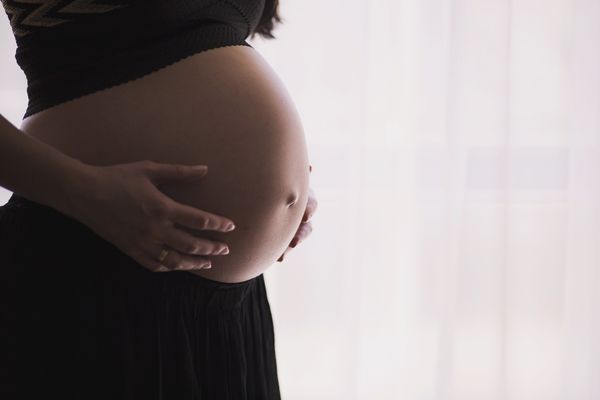
Screening in pregnancy
- A variety of genetic tests can be conducted during pregnancy.
- In IVF, embryos are screened for genetic diseases prior to uterine implantation.
- Towards the end of the first trimester, a sample of embryonic tissue is taken from a woman's placenta. The DNA is analysed.
- This is known as chorionic villus sampling. It tests for genetic disorders and chromosomal abnormalities.
- Amniocentesis involves taking a sample of amniotic fluid and running genetic tests on it. It tends to occur early in the second trimester.

Social & ethical debates
- There are many social and ethical debates that surround such tests:
- There is a risk of damage to the embryo or foetus when collecting samples.
- Test results may lead to the termination of the pregnancy (abortion).
- Raising a child with genetic disorders can be costly and impact the mental health of the parents.
- Genetic engineering embryos could lead to the production of 'designer babies'.
1Cell Structure
1.1Cell Structure
1.1.1Studying Cells - Microscopes1.1.2Introduction to Eukaryotic & Prokaryotic Cells1.1.3Ultrastructure of Eukaryotic Cells1.1.4Ultrastructure of Eukaryotic Cells 21.1.5Ultrastructure of Eukaryotic Cells 31.1.6Prokaryotic Cells1.1.7Viruses1.1.8End of Topic Test - Cell Structure1.1.9Exam-Style Question - Microscopes1.1.10A-A* (AO2/3) - Cell Structure
2Biological Molecules
2.1Testing for Biological Modules
2.2Carbohydrates & Lipids
2.3Proteins
3Enzymes
4Cell Membranes & Transport
4.1Biological Membranes
5The Mitotic Cell Cycle
6Nucleic Acids & Protein Synthesis
6.1Nucleic Acids
7Transport in Plants
8Transport in Mammals
8.1Circulatory System
8.2Transport of Oxygen & Carbon Dioxide
9Gas Exchange
9.1Gas Exchange System
10Infectious Diseases
10.1Infectious Diseases
10.2Antibiotics
11Immunity
12Energy & Respiration (A2 Only)
13Photosynthesis (A2 Only)
14Homeostasis (A2 Only)
14.1Homeostasis
14.2The Kidney
14.3Cell Signalling
14.4Blood Glucose Concentration
14.5Homeostasis in Plants
15Control & Coordination (A2 Only)
15.1Control & Coordination in Mammals
15.1.1Neurones15.1.2Receptors15.1.3Taste15.1.4Reflexes15.1.5Action Potentials15.1.6Saltatory Conduction15.1.7Synapses15.1.8Cholinergic Synnapses15.1.9Neuromuscular Junction15.1.10Skeletal Muscle15.1.11Sliding Filament Theory Contraction15.1.12Sliding Filament Theory Contraction 215.1.13Menstruation15.1.14Contraceptive Pill
15.2Control & Co-Ordination in Plants
16Inherited Change (A2 Only)
16.1Passage of Information to Offspring
16.2Genes & Phenotype
17Selection & Evolution (A2 Only)
17.2Natural & Artificial Selection
18Classification & Conservation (A2 Only)
18.1Biodiversity
18.2Classification
19Genetic Technology (A2 Only)
19.1Manipulating Genomes
19.2Genetic Technology Applied to Medicine
19.3Genetically Modified Organisms in Agriculture
Jump to other topics
1Cell Structure
1.1Cell Structure
1.1.1Studying Cells - Microscopes1.1.2Introduction to Eukaryotic & Prokaryotic Cells1.1.3Ultrastructure of Eukaryotic Cells1.1.4Ultrastructure of Eukaryotic Cells 21.1.5Ultrastructure of Eukaryotic Cells 31.1.6Prokaryotic Cells1.1.7Viruses1.1.8End of Topic Test - Cell Structure1.1.9Exam-Style Question - Microscopes1.1.10A-A* (AO2/3) - Cell Structure
2Biological Molecules
2.1Testing for Biological Modules
2.2Carbohydrates & Lipids
2.3Proteins
3Enzymes
4Cell Membranes & Transport
4.1Biological Membranes
5The Mitotic Cell Cycle
6Nucleic Acids & Protein Synthesis
6.1Nucleic Acids
7Transport in Plants
8Transport in Mammals
8.1Circulatory System
8.2Transport of Oxygen & Carbon Dioxide
9Gas Exchange
9.1Gas Exchange System
10Infectious Diseases
10.1Infectious Diseases
10.2Antibiotics
11Immunity
12Energy & Respiration (A2 Only)
13Photosynthesis (A2 Only)
14Homeostasis (A2 Only)
14.1Homeostasis
14.2The Kidney
14.3Cell Signalling
14.4Blood Glucose Concentration
14.5Homeostasis in Plants
15Control & Coordination (A2 Only)
15.1Control & Coordination in Mammals
15.1.1Neurones15.1.2Receptors15.1.3Taste15.1.4Reflexes15.1.5Action Potentials15.1.6Saltatory Conduction15.1.7Synapses15.1.8Cholinergic Synnapses15.1.9Neuromuscular Junction15.1.10Skeletal Muscle15.1.11Sliding Filament Theory Contraction15.1.12Sliding Filament Theory Contraction 215.1.13Menstruation15.1.14Contraceptive Pill
15.2Control & Co-Ordination in Plants
16Inherited Change (A2 Only)
16.1Passage of Information to Offspring
16.2Genes & Phenotype
17Selection & Evolution (A2 Only)
17.2Natural & Artificial Selection
18Classification & Conservation (A2 Only)
18.1Biodiversity
18.2Classification
19Genetic Technology (A2 Only)
19.1Manipulating Genomes
19.2Genetic Technology Applied to Medicine
19.3Genetically Modified Organisms in Agriculture
Unlock your full potential with Seneca Premium
Unlimited access to 10,000+ open-ended exam questions
Mini-mock exams based on your study history
Unlock 800+ premium courses & e-books