3.2.4
Reconciliation
Test your knowledge with free interactive questions on Seneca — used by over 10 million students.
Reconciliation
The sacrament of Reconciliation is sometimes called ‘confession’ or ‘penance'. It is also considered a sacrament of conversion because the person is responding to the call of Jesus to return to obedience to God the Father.
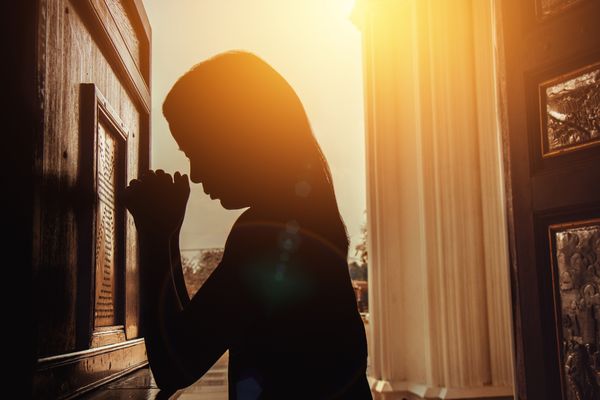
Significance
- By confessing their sins and asking for forgiveness, Catholics believe they're reconciled with God and with those who were hurt by their sins.
- Catholics believe the Church was given the power to forgive sins by Christ when he said to Peter, ‘If you forgive anyone’s sins they are forgiven; if you do not forgive them they are not forgiven’ (John 20:23 NIV).

Parts of the sacrament of Reconciliation
- The person confesses their sins.
- The priest will often offer advice.
- The person makes an act of contrition, a prayer in which they say they are sorry for their sins.
- The priest usually gives the penitent a ‘penance’ - an act to perform or prayers to say to help them grow closer to God and reject sinfulness.
- The priest will say the prayer of absolution (or God’s forgiveness).
Effect of Reconciliation on Catholics’ Lives
Catholics are encouraged to confess their sins regularly to a priest.
Frequency
- Exactly how often the sacrament is to be received is not specified, except that the Church says at least once a year.
- Many Catholics will seek Reconciliation more often.
- The priest is bound to keep the confession secret.

Conditions for forgiveness
- For a person to be forgiven for their sins, they must be genuinely sorry.
- They must also have a firm purpose of amendment, meaning that they honestly intend to try not to sin again.
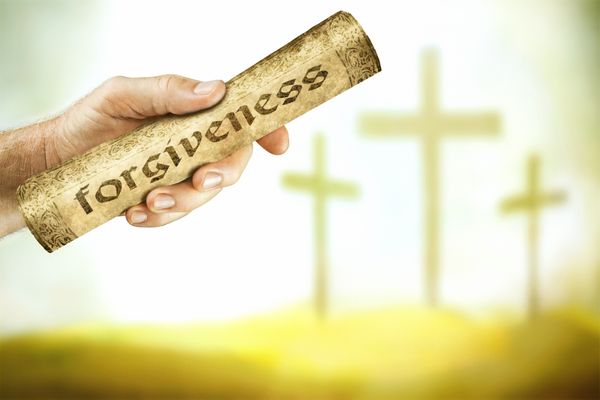
Effect of Reconciliation
- By making this formal action of receiving the sacrament, Catholics believe that they receive a special grace that helps them try to avoid sinning in the future.
- It is also believed that when they unburden themselves of their sins in this way, they can experience an inner peace.
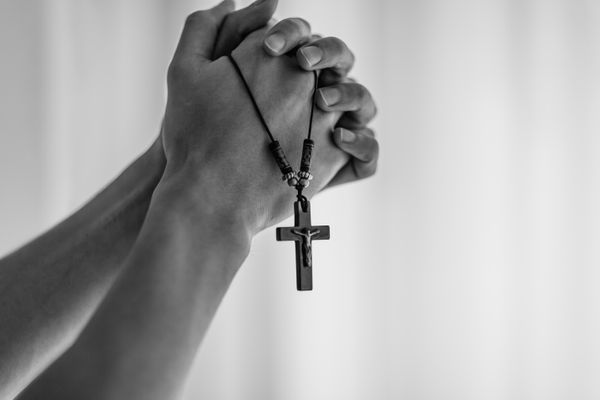
Importance
- The Catholic Church teaches that it is essential for Catholics to confess their serious sins (or ‘mortal sins’) in this way.
1Buddhism
1.1Key Beliefs
1.2Practices
2Christianity
2.1Key Beliefs
2.1.1The Nature of God2.1.2The Problem of Evil2.1.3Monotheism2.1.4Creation2.1.5Bible Accounts of Creation2.1.6The Trinity and Creation2.1.7Afterlife2.1.8Heaven and Hell2.1.9The Influence of Afterlife on Life2.1.10End of Topic Test - Christianity Key Beliefs2.1.11Exam-Style Questions - Christian Beliefs
2.2Jesus Christ & Salvation
2.2.1The Incarnation2.2.2Jesus - Divine & Human2.2.3The Crucifixion2.2.4Jesus' Betrayal2.2.5Resurrection & Ascension2.2.6Sin2.2.7Original Sin2.2.8Punishment2.2.9The Means of Salvation2.2.10Achieving Salvation2.2.11Disagreements About Salvation2.2.12The Role of Christ in Salvation2.2.13Theories of Salvation2.2.14End of Topic Test - Jesus Christ & Salvation
2.3Worship & Festivals
3Catholicism (Christianity)
3.1Key Beliefs
3.2The Seven Sacraments
4Islam
4.1Key Beliefs
4.2Authority
5Judaism
5.1Key Beliefs
5.2Covenant & The Mitzvot
Jump to other topics
1Buddhism
1.1Key Beliefs
1.2Practices
2Christianity
2.1Key Beliefs
2.1.1The Nature of God2.1.2The Problem of Evil2.1.3Monotheism2.1.4Creation2.1.5Bible Accounts of Creation2.1.6The Trinity and Creation2.1.7Afterlife2.1.8Heaven and Hell2.1.9The Influence of Afterlife on Life2.1.10End of Topic Test - Christianity Key Beliefs2.1.11Exam-Style Questions - Christian Beliefs
2.2Jesus Christ & Salvation
2.2.1The Incarnation2.2.2Jesus - Divine & Human2.2.3The Crucifixion2.2.4Jesus' Betrayal2.2.5Resurrection & Ascension2.2.6Sin2.2.7Original Sin2.2.8Punishment2.2.9The Means of Salvation2.2.10Achieving Salvation2.2.11Disagreements About Salvation2.2.12The Role of Christ in Salvation2.2.13Theories of Salvation2.2.14End of Topic Test - Jesus Christ & Salvation
2.3Worship & Festivals
3Catholicism (Christianity)
3.1Key Beliefs
3.2The Seven Sacraments
4Islam
4.1Key Beliefs
4.2Authority
5Judaism
5.1Key Beliefs
5.2Covenant & The Mitzvot
Practice questions on Reconciliation
Can you answer these? Test yourself with free interactive practice on Seneca — used by over 10 million students.
- 1
- 2Key features of the sacrament of Reconciliation: Fill in the list
- 3What are the other names for the sacrament of Reconciliation?Fill in the list
- 4
- 5
Unlock your full potential with Seneca Premium
Unlimited access to 10,000+ open-ended exam questions
Mini-mock exams based on your study history
Unlock 800+ premium courses & e-books