6.1.8
Irregular IR Verbs (2/2)
Test your knowledge with free interactive questions on Seneca — used by over 10 million students.
No Pattern
The following verbs follow no set pattern, they are completely irregular.
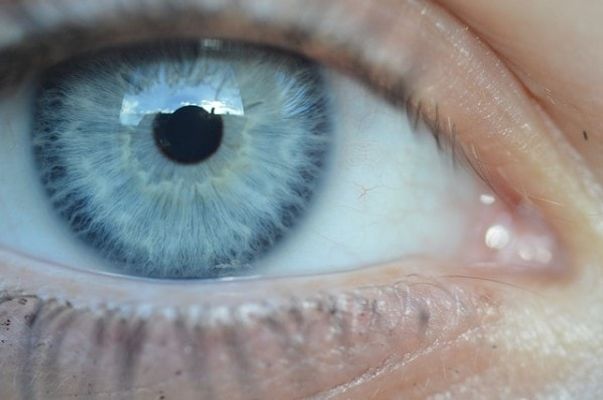
Voir - to see
- Je vois - I see.
- Tu vois - you (singular) see.
- Il/elle/on voit - he/she/one sees.
- Nous voyons - we see.
- Vous voyez - you (plural/formal) see.
- Ils/elles voient - they see.

Recevoir - to receive
- Je reçois - I receive.
- Tu reçois - you (singular) receive.
- Il/elle/on reçoit - he/she/one receives.
- Nous recevons - we receive.
- Vous recevez - you (plural/formal) receive.
- Ils/elles reçoivent - they receive.

Courir - to run
- Je cours - I run.
- Tu cours - you (singular) run.
- Il/elle/on court - he/she/one runs.
- Nous courons - we run.
- Vous courez - you (plural/formal) run.
- Ils/elles courent - they run.

Mourir - to die
- Je meurs - I die.
- Tu meurs - you (singular) die.
- Il/elle/on meurt - he/she/one dies.
- Nous mourons - we die.
- Vous mourez - you (plural/formal) die.
- Ils/elles meurent - they die.
Modal Verbs
These verbs follow no set pattern, they are completely irregular. They are called 'modal verbs' because you use them before another verb, for example 'I must go'.

Devoir - to have to, must
- Je dois - I have to, must.
- Tu dois - you (singular) have to, must.
- Il/elle/on doit - he/she/one has to, must.
- Nous devons - we have to, must.
- Vous devez - you (plural/formal) have to, must.
- Ils/elles doivent - they have to, must.

Pouvoir - to be able to, can
- Je peux - I am able to, can.
- Tu peux - you (singular) are able to, can.
- Il/elle/on peut - he/she/one is able to, can.
- Nous pouvons - we are able to, can.
- Vous pouvez - you (plural/formal) are able to, can.
- Ils/elles peuvent - they are able to, can.

Savoir - to know
- Je sais - I know.
- Tu sais - you (singular) know.
- Il/elle/on sait - he/she/one knows.
- Nous savons - we know.
- Vous savez - you (plural/formal) know.
- Ils/elles savent - they know.

Vouloir - to want
- Je veux - I want.
- Tu veux - you (singular) want.
- Il/elle/on veut - he/she/one wants.
- Nous voulons - we want.
- Vous voulez - you (plural/formal) want.
- Ils/elles veulent - they want.
1Home & Abroad
1.1Town & Rural Life
1.2Holiday, Tourism & Directions
1.4Everyday Life & Traditions
2Education & Employment
2.1School Life & Routine
2.2School Trips, Events & Exchanges
3Personal Life & Relationships
3.1House & Home
3.2Daily Routine & Helping at Home
4The World Around Us
4.1Global Issues
4.2Weather
4.3Travel & Transport
4.5Information & Tech
5Social Activities, Fitness & Health
5.1Special Occasions
5.2Hobbies & Interests
5.3Numbers
5.4Shopping & Money
5.5Illness & Health
5.6Food & Drink
6Common Tenses
6.1Present Tense
6.1.1Regular ER Verbs6.1.2Regular IR Verbs6.1.3Regular RE Verbs6.1.4Reflexive Verbs6.1.5Irregular ER Verbs (1/2)6.1.6Irregular ER Verbs (2/2)6.1.7Irregular IR Verbs (1/2)6.1.8Irregular IR Verbs (2/2)6.1.9Irregular RE Verbs (1/3)6.1.10Irregular RE Verbs (2/3)6.1.11Irregular RE Verbs (3/3)6.1.12Present Participle (1/2)6.1.13Present Participle (2/2)6.1.14Irregular Present Participles6.1.15Avoir & Etre
6.2Perfect Tense
6.3Imperfect tense
6.4Imperfect vs Perfect
7Advanced Tenses
7.1Conditional Tense
8Extra Grammar
8.1The Passive Voice
8.2Pronouns
8.3Asking Questions
8.4Nouns
8.7Quantifiers & Intensifiers
8.8Adjectives
8.9Negative
8.10Conjunctions
8.11Miscellaneous
Jump to other topics
1Home & Abroad
1.1Town & Rural Life
1.2Holiday, Tourism & Directions
1.4Everyday Life & Traditions
2Education & Employment
2.1School Life & Routine
2.2School Trips, Events & Exchanges
3Personal Life & Relationships
3.1House & Home
3.2Daily Routine & Helping at Home
4The World Around Us
4.1Global Issues
4.2Weather
4.3Travel & Transport
4.5Information & Tech
5Social Activities, Fitness & Health
5.1Special Occasions
5.2Hobbies & Interests
5.3Numbers
5.4Shopping & Money
5.5Illness & Health
5.6Food & Drink
6Common Tenses
6.1Present Tense
6.1.1Regular ER Verbs6.1.2Regular IR Verbs6.1.3Regular RE Verbs6.1.4Reflexive Verbs6.1.5Irregular ER Verbs (1/2)6.1.6Irregular ER Verbs (2/2)6.1.7Irregular IR Verbs (1/2)6.1.8Irregular IR Verbs (2/2)6.1.9Irregular RE Verbs (1/3)6.1.10Irregular RE Verbs (2/3)6.1.11Irregular RE Verbs (3/3)6.1.12Present Participle (1/2)6.1.13Present Participle (2/2)6.1.14Irregular Present Participles6.1.15Avoir & Etre
6.2Perfect Tense
6.3Imperfect tense
6.4Imperfect vs Perfect
7Advanced Tenses
7.1Conditional Tense
8Extra Grammar
8.1The Passive Voice
8.2Pronouns
8.3Asking Questions
8.4Nouns
8.7Quantifiers & Intensifiers
8.8Adjectives
8.9Negative
8.10Conjunctions
8.11Miscellaneous
Practice questions on Irregular IR Verbs (2/2)
Can you answer these? Test yourself with free interactive practice on Seneca — used by over 10 million students.
- 1How do you say 'I receive' in French?Multiple choice
- 2Comment dirais-tu 'they are able to' en Français?Multiple choice
- 3How do you say 'we can' in French?Multiple choice
Unlock your full potential with Seneca Premium
Unlimited access to 10,000+ open-ended exam questions
Mini-mock exams based on your study history
Unlock 800+ premium courses & e-books