8.3.2
Case Study: Bangladesh
Test your knowledge with free interactive questions on Seneca — used by over 10 million students.
Sustainable Development in Bangladesh
Bangladesh is a LIC facing challenges like poverty, but it uses strategies such as microfinance and garment exports to improve economic development and quality of life.

Bangladesh development status
- Bangladesh is a Low-Income Country (LIC) in South Asia.
- Bangladesh's population exceeds 160 million, causing pressure on resources.
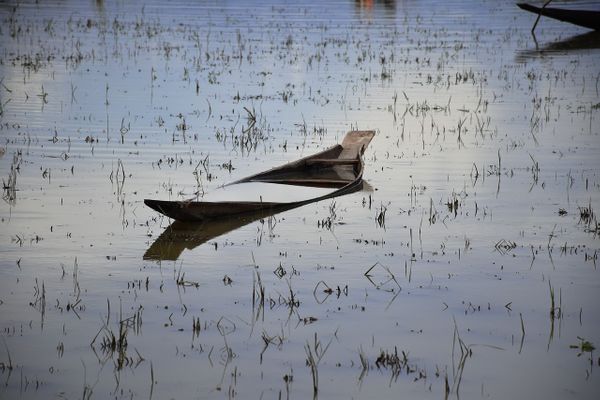
- Frequent natural hazards like floods limit development.
- Reliance on agriculture keeps many in low-paid jobs.
- Limited infrastructure and education reduce economic growth.
Reasons for Bangladesh's development level
- High population density strains healthcare and education.
- Low industrialisation due to historical poverty slows progress.
- Dependence on farming exposes the economy to climate risks.
- Political instability in the past delayed infrastructure projects.
- Poor sanitation affects public health and workforce productivity.

Economic development strategies
- Bangladesh promotes its ready-made garment industry to boost exports.
- Microfinance schemes help poor people start small businesses.
- Investment in infrastructure improves transport and energy access.
- Special Economic Zones attract foreign investment and create jobs.
- Education programmes focus on increasing literacy and skills.

Improving quality of life
- Improved healthcare reduces child mortality and diseases.
- Access to clean water projects helps improve public health.
- Social safety nets support vulnerable families during crises.
- Rural electrification improves living standards and productivity.
- Women's empowerment projects enhance social and economic roles.

Raising Standard of Living
- Rising incomes from garment export jobs increase household spending.
- Urban development provides better housing and sanitation facilities.
- Environmental protections aim for sustainable resource use.
- Education leads to better employment and poverty reduction.
- Greater economic diversification reduces dependence on farming.
1Paper 1 - Changing River Environnments
1.1Characteristics of Rivers
1.2River Landforms
1.3Rivers: Opportunities & Hazards
1.4The Bradshaw Model
1.5The Drainage Basin & the Water Cycle
1.6Processes Operating in a Drainage Basin
2Paper 1 - Changing Coastal Environments
2.1Physical Processes that Shape the Coast
2.1.1Processes of Erosion2.1.2Corrosion & Corrasion2.1.3Transportation2.1.4Deposition2.1.5Longshore Drift2.1.6Types of Waves2.1.7Case Study: The Holderness Coast (UK)2.1.8Case Study: The Holderness Coast - Management2.1.9Case Study: The Holderness Coast - Defences2.1.10Diagnostic Misconceptions - Swash & Backwash
2.2Landforms
2.3Opportunities & Hazards
2.4Tropical Storms
2.4.1Tropical Storms2.4.2Structure of Tropical Storms2.4.3Causes of Tropical Storms2.4.4Effects of Tropical Storms2.4.5Hazards of Tropical Storms2.4.6Case Study: Hurricane Katrina - Effects2.4.7Case Study: Hurricane Katrina - Responses2.4.8Case Study: Cyclone Nargis - Responses2.4.9Case Study: Cyclone Nargis2.4.10Mathematical Skills: Weather Hazards2.4.11Diagnostic Misconceptions - Rainfall
3Paper 1 - Changing Ecosystems
3.1Antarctic
3.2Threats to the Antarctic
3.3Tropical Rainforest
3.4Tropical Rainforest: Threats
4Paper 1 - Tectonic Hazards
4.1The Structure of the Earth
4.2The Processes of Earthquakes & Volcanoes
4.2.1Earthquakes: Processes & Characteristics4.2.2Earthquake Hazards4.2.3Types of Volcano4.2.4Classification & Features4.2.5Volcanic Hazards4.2.6Diagnostic Misconceptions - Lava4.2.7Diagnostic Misconceptions - Location of Volcanoes4.2.8Diagnostic Misconceptions - Focus vs Epicentre4.2.9Diagnostic Misconceptions - Sliding Plates
4.3The Impacts of Tectonic Hazards
5Paper 1 - Climate Change
5.1Natural & Human Causes of Climate Change
5.2Impacts of Climate Change
5.3Responses to Climate Change
6Paper 2 - Changing Populations
6.1Populations Grow & Decline
6.2Population Structures Over Time
7Paper 2 - Changing Towns & Cities
7.1Where People Live
7.2Opportunities & Challenges of Urbanisation
8Paper 2 - Development
8.1Measuring Development
8.2Uneven Development
8.3Sustainable Development
9Paper 2 - Changing Economies
9.1Changing Employment Structures
9.2Globalisation
9.3Tourism
9.3.1Factors Leading to the Growth of Tourism9.3.2The Butler Model9.3.3Benefits of Tourism - Economic9.3.4Benefits of Tourism - Social, Cultural & Env.9.3.5Problems with Tourism - Economic9.3.6Problems of Tourism - Social, Cultural & Env.9.3.7Managing Tourism - Sustainability & Ecotourism9.3.8Managing Tourism - Quotas & Tourism Hubs9.3.9Case Study: Blackpool (UK)9.3.10Mathematical Skills: Changing Economic World
10Paper 2 - Resource Provision
10.1Food
10.2Patterns of Food Supply & Demand
10.3Challenges of Food Supply
10.4Energy
10.5Patterns of Energy Supply & Demand
Jump to other topics
1Paper 1 - Changing River Environnments
1.1Characteristics of Rivers
1.2River Landforms
1.3Rivers: Opportunities & Hazards
1.4The Bradshaw Model
1.5The Drainage Basin & the Water Cycle
1.6Processes Operating in a Drainage Basin
2Paper 1 - Changing Coastal Environments
2.1Physical Processes that Shape the Coast
2.1.1Processes of Erosion2.1.2Corrosion & Corrasion2.1.3Transportation2.1.4Deposition2.1.5Longshore Drift2.1.6Types of Waves2.1.7Case Study: The Holderness Coast (UK)2.1.8Case Study: The Holderness Coast - Management2.1.9Case Study: The Holderness Coast - Defences2.1.10Diagnostic Misconceptions - Swash & Backwash
2.2Landforms
2.3Opportunities & Hazards
2.4Tropical Storms
2.4.1Tropical Storms2.4.2Structure of Tropical Storms2.4.3Causes of Tropical Storms2.4.4Effects of Tropical Storms2.4.5Hazards of Tropical Storms2.4.6Case Study: Hurricane Katrina - Effects2.4.7Case Study: Hurricane Katrina - Responses2.4.8Case Study: Cyclone Nargis - Responses2.4.9Case Study: Cyclone Nargis2.4.10Mathematical Skills: Weather Hazards2.4.11Diagnostic Misconceptions - Rainfall
3Paper 1 - Changing Ecosystems
3.1Antarctic
3.2Threats to the Antarctic
3.3Tropical Rainforest
3.4Tropical Rainforest: Threats
4Paper 1 - Tectonic Hazards
4.1The Structure of the Earth
4.2The Processes of Earthquakes & Volcanoes
4.2.1Earthquakes: Processes & Characteristics4.2.2Earthquake Hazards4.2.3Types of Volcano4.2.4Classification & Features4.2.5Volcanic Hazards4.2.6Diagnostic Misconceptions - Lava4.2.7Diagnostic Misconceptions - Location of Volcanoes4.2.8Diagnostic Misconceptions - Focus vs Epicentre4.2.9Diagnostic Misconceptions - Sliding Plates
4.3The Impacts of Tectonic Hazards
5Paper 1 - Climate Change
5.1Natural & Human Causes of Climate Change
5.2Impacts of Climate Change
5.3Responses to Climate Change
6Paper 2 - Changing Populations
6.1Populations Grow & Decline
6.2Population Structures Over Time
7Paper 2 - Changing Towns & Cities
7.1Where People Live
7.2Opportunities & Challenges of Urbanisation
8Paper 2 - Development
8.1Measuring Development
8.2Uneven Development
8.3Sustainable Development
9Paper 2 - Changing Economies
9.1Changing Employment Structures
9.2Globalisation
9.3Tourism
9.3.1Factors Leading to the Growth of Tourism9.3.2The Butler Model9.3.3Benefits of Tourism - Economic9.3.4Benefits of Tourism - Social, Cultural & Env.9.3.5Problems with Tourism - Economic9.3.6Problems of Tourism - Social, Cultural & Env.9.3.7Managing Tourism - Sustainability & Ecotourism9.3.8Managing Tourism - Quotas & Tourism Hubs9.3.9Case Study: Blackpool (UK)9.3.10Mathematical Skills: Changing Economic World
10Paper 2 - Resource Provision
10.1Food
10.2Patterns of Food Supply & Demand
10.3Challenges of Food Supply
10.4Energy
10.5Patterns of Energy Supply & Demand
Practice questions on Case Study: Bangladesh
Can you answer these? Test yourself with free interactive practice on Seneca — used by over 10 million students.
- 1
- 2
- 3Choose the correct statements:True / false
- 4
- 5
Unlock your full potential with Seneca Premium
Unlimited access to 10,000+ open-ended exam questions
Mini-mock exams based on your study history
Unlock 800+ premium courses & e-books