4.1.8
Case Study: Urban Change in Liverpool
Test your knowledge with free interactive questions on Seneca — used by over 10 million students.
An Overview of Liverpool
Liverpool is a port on the north-west coast of England. It is built upon the estuary of the River Mersey and is close to Manchester.
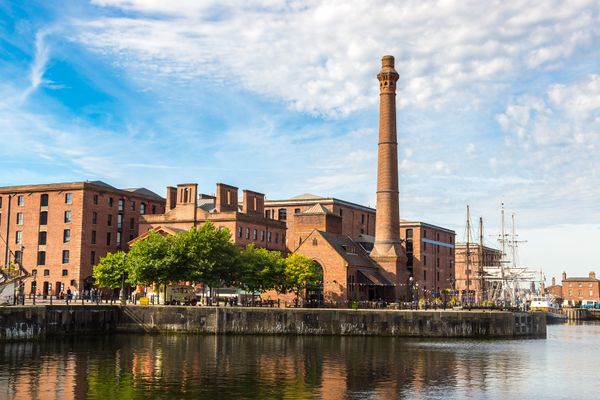
What is the importance of Liverpool?
- Liverpool's port was a hub for trade with the United States of America and was an important shipping port in the slave trade.
- Cotton prices in England were benchmarked by the prices that were available in the market by Liverpool's port.
- Liverpool is home to Liverpool Football Club (and Everton).
Impacts of national migration on Liverpool
- Liverpool has populations with strong origins from Wales and Ireland.
- The Irish potato famine of 1845-1849 led many to sail across the Irish Sea to Liverpool.
- Liverpool is on the border of Wales, so there is also a strong Welsh contingent in Liverpool.
- In 2019, there were estimates that 3/4 of Liverpool's population had Irish heritage of some kind.
Impacts of international migration on Liverpool
- Liverpool's port has been a trading hub with the world for many years.
- People who come from Liverpool are known as Scousers and have a strong accent, distinctive to many other parts of the UK.
- The decline of the UK's physical manufacturing industries has hurt Liverpool's economic wellbeing as there are fewer physical goods to export via ship.
- International migration has helped Liverpool to end their Premier League title drought, with Mohammed Salah, Sadio Mane, and Roberto Firmino migrating from Egypt, Senegal, and Brazil to improve a weak strike force.
Opportunities Created by Urban Change in Liverpool
Liverpool's transition from a thriving port and manufacturing hub towards a tourist destination and creative industry hub has led to the following opportunities:
Social opportunities
- The migration has created more ethnic diversity and more diversity of opinion in Liverpool.
- Urban change in Liverpool has improved leisure facilities and brought benefits through international migration, including in football (Liverpool Football Club).
- The Albert Dock in Liverpool has become a cultural hub, home to museums, docks, restaurants, and bars.
Economic opportunities
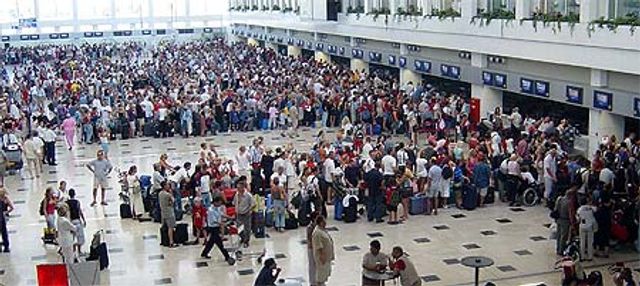
- Liverpool John Lennon Airport has become a transport hub for the north of England and Easyjet has lots of cheap flights flying out of the airport every day.
- Merseytravel is a single business that operates all of Liverpool's transport infrastructure, making it very convenient for customers.
- In 2018, 494,000 people lived in Liverpool and only 4.2% of people were unemployed.
Environmental opportunities
- Urban greening involves turning brown belt sites or wasteland in cities into green spaces like parks.
- The Liverpool ONE development included a brand new park in Liverpool City Centre.
Challenges Created by Urban Change in Liverpool
Liverpool's decline from a thriving port in the 1800s, to a struggling area from 1950 to a new tourist destination with creative industries has created new problems for the city.
Social and economic challenges
- As with many cities, inequality grows as the city gets larger.
- Parts of Liverpool like Croxteth and Anfield are dominated by council housing and low income residents.
- There is great inequality between people living in these areas and those living in brand new developments in the new Beetham Tower.
- People in the less advantaged areas often perform worse in school, have a lower life expectancy and are more likely to become unemployed in the future.
Environmental challenges
- In 2019, 22 green belt sites in the Wirral were protected from development. Although the projects did not go ahead, this shows the pressure to build on green belt land when a city is growing quickly.
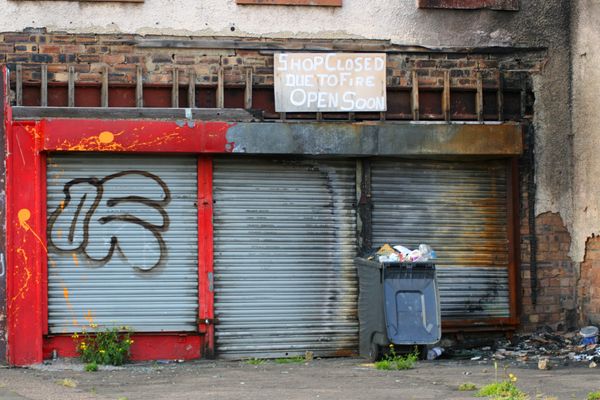
- Newsham Park Asylum and the Liverpool Fruit Exchange are now derelict, unused buildings. However, these buildings are also opportunities for redevelopment.
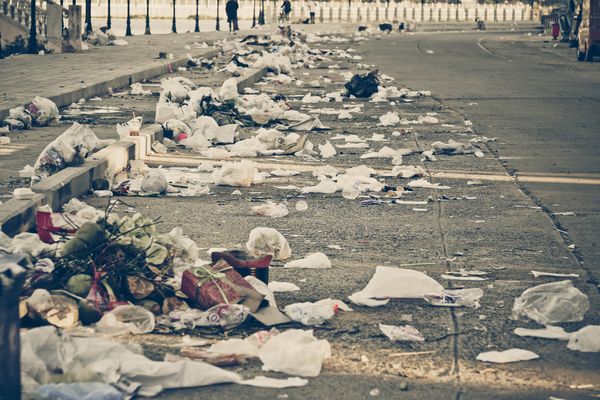
- In 2014, a local newspaper report claimed that Liverpool did not have enough capacity to recycle all the relevant materials, so lots of things that could be recycled were put in landfill sites instead.
1The Challenge of Natural Hazards
1.1Natural Hazards
1.2Tectonic Hazards
1.3Weather Hazards
1.4Climate Change
2The Living World
2.1Ecosystems
2.2Tropical Rainforests
2.3Hot Deserts
2.4Tundra & Polar Environments
3Physical Landscapes in the UK
3.1The UK Physical Landscape
3.2Coastal Landscapes in the UK
3.3River Landscapes in the UK
3.4Glacial Landscapes in the UK
4Urban Issues & Challenges
4.1Urban Issues & Challenges
5The Changing Economic World
5.1The Changing Economic World
5.2Economic Development in the UK
6The Challenge of Resource Management
6.1Resource Management
6.2Food
6.3Water
6.4Energy
Jump to other topics
1The Challenge of Natural Hazards
1.1Natural Hazards
1.2Tectonic Hazards
1.3Weather Hazards
1.4Climate Change
2The Living World
2.1Ecosystems
2.2Tropical Rainforests
2.3Hot Deserts
2.4Tundra & Polar Environments
3Physical Landscapes in the UK
3.1The UK Physical Landscape
3.2Coastal Landscapes in the UK
3.3River Landscapes in the UK
3.4Glacial Landscapes in the UK
4Urban Issues & Challenges
4.1Urban Issues & Challenges
5The Changing Economic World
5.1The Changing Economic World
5.2Economic Development in the UK
6The Challenge of Resource Management
6.1Resource Management
6.2Food
6.3Water
6.4Energy
Practice questions on Case Study: Urban Change in Liverpool
Can you answer these? Test yourself with free interactive practice on Seneca — used by over 10 million students.
- 1The location of Liverpool:True / false
- 2
- 3
- 4
- 5
Unlock your full potential with Seneca Premium
Unlimited access to 10,000+ open-ended exam questions
Mini-mock exams based on your study history
Unlock 800+ premium courses & e-books