2.2.11
Case Study: Malaysian Rainforest
Test your knowledge with free interactive questions on Seneca — used by over 10 million students.
Case Study of a Tropical Rainforest – Malaysian Rainforest
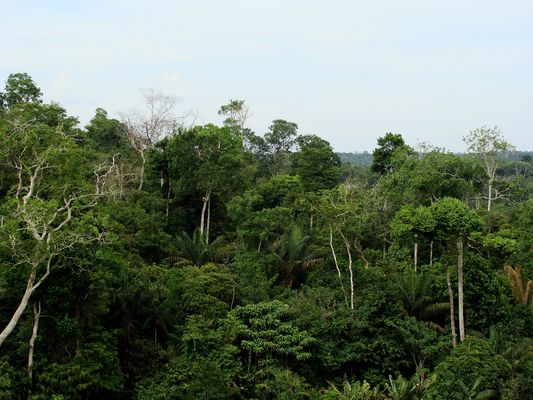
Malaysia is located in south-east Asia and has experienced rapid deforestation.

Deforestation
- Trees used to be clear-felled to harvest tropical wood, leading to rapid deforestation in the 1980s.
- An area is clear-felled if all the trees are removed from an area one at a time.

Exports
- Malaysia is the world’s largest exporter of palm oil.
- The rainforest has been cleared to make room for commercial farming.
Migration
- The government has encouraged people to move into rainforest areas to reduce the pressure on cities (transmigration).

Damming the river
- The government has tried to improve energy supplies for Malaysian industry and people.
- The Bakun HEP Dam was built to improve energy supplies using hydroelectric power.
- The Bakun HEP Dam has flooded large areas of rainforest.
Impacts of Deforestation on the Malaysian Rainforest
There are a number of different impacts of deforestation on the Malaysian Rainforest.
Economic development
- The Bakun HEP dam has provided jobs for construction workers and energy to support developing industries in Malaysia.
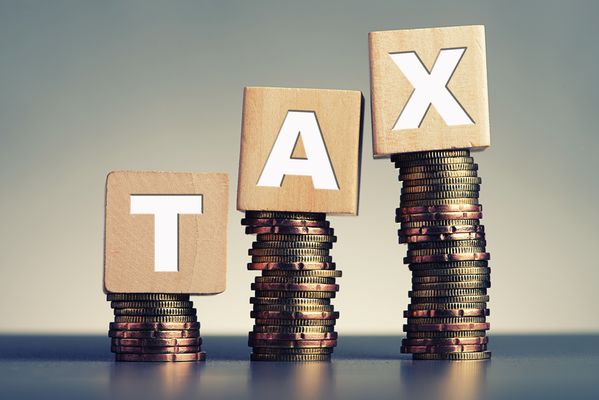
- As businesses benefit, the amount of tax they pay the government increases.
- The increased tax received by the government can be reinvested into public services like health and education.

Soil erosion
- Trees intercept rain and bind soils.
- When trees are removed, the soils are easily washed away.
- Changes to the microclimate make soils drier so soil erosion is more severe.

Contribution to climate change
- Rainforests store carbon in the trees.
- Carbon is released if the trees are burnt.
- Releasing carbon adds to the greenhouse gases in the atmosphere.
- Fewer trees also mean less absorption of carbon dioxide from the atmosphere.
1The Challenge of Natural Hazards
1.1Natural Hazards
1.2Tectonic Hazards
1.2.1The Earth's Layers1.2.2Tectonic Plates1.2.3The Earth's Tectonic Plates1.2.4Convection Currents1.2.5Plate Margins1.2.6Volcanoes1.2.7Volcano Eruptions1.2.8Effects of Volcanoes1.2.9Primary Effects of Volcanoes1.2.10Secondary Effects of Volcanoes1.2.11Responses to Volcanic Eruptions1.2.12Immediate Responses to Volcanoes1.2.13Long-Term Responses to Volcanoes1.2.14Earthquakes1.2.15Earthquakes at Different Plate Margins1.2.16What is an Earthquake?1.2.17Measuring Earthquakes1.2.18Immediate Responses to Earthquakes1.2.19Long-Term Responses to Earthquakes1.2.20Case Studies: The L'Aquila Earthquake1.2.21Case Studies: The Kashmir Earthquake1.2.22Earthquake Case Study: Chile 20101.2.23Earthquake Case Study: Nepal 20151.2.24Reducing the Impact of Tectonic Hazards1.2.25Protecting & Planning1.2.26Living with Tectonic Hazards 21.2.27End of Topic Test - Tectonic Hazards1.2.28Exam-Style Questions - Tectonic Hazards1.2.29Tectonic Hazards - Statistical Skills1.2.30Diagnostic Misconceptions - Lava1.2.31Diagnostic Misconceptions - Locations of Volcanoes1.2.32Diagnostic Misconceptions - Focus vs Epicentre1.2.33Diagnostic Misconceptions - Plates Sliding
1.3Weather Hazards
1.3.1Winds & Pressure1.3.2The Global Atmospheric Circulation Model1.3.3Surface Winds1.3.4UK Weather Hazards1.3.5Changing Weather in the UK1.3.6Tropical Storms1.3.7Tropical Storm Causes1.3.8Features of Tropical Storms1.3.9The Structure of Tropical Storms1.3.10The Effect of Climate Change on Tropical Storms1.3.11The Effects of Tropical Storms1.3.12Responses to Tropical Storms1.3.13Reducing the Effects of Tropical Storms1.3.14Tropical Storms Case Study: Katrina - Effects1.3.15Tropical Storms Case Study: Katrina - Responses1.3.16Tropical Storms Case Study: Haiyan1.3.17UK Weather Hazards Case Study: Somerset 20141.3.18Effects & Responses: Somerset 20141.3.19End of Topic Test - Weather Hazards1.3.20Exam-Style Questions - Weather Hazards1.3.21Weather Hazards - Statistical Skills
1.4Climate Change
1.4.1Climate Change1.4.2Evidence for Climate Change1.4.3Natural Causes of Climate Change1.4.4Human Causes of Climate Change1.4.5Effects of Climate Change on the Environment1.4.6Effects of Climate Change on People1.4.7Climate Change Mitigation Strategies1.4.8Adaptation to Climate Change1.4.9End of Topic Test - Climate Change1.4.10Exam-Style Questions - Climate Change1.4.11Climate Change - Statistical Skills1.4.12Diagnostic Misconceptions - Greenhouse Effect1.4.13Diagnostic Misconceptions - 1°C change in Temp.
2The Living World
2.1Ecosystems
2.2Tropical Rainforests
2.2.1Tropical Rainforests2.2.2Interdependence of Tropical Rainforests2.2.3Adaptations of Plants to Rainforests2.2.4Adaptations of Animals to Rainforests2.2.5Biodiversity of Tropical Rainforests2.2.6Deforestation2.2.7Impacts of Deforestation2.2.8Case Study: Deforestation in the Amazon Rainforest2.2.9Why Protect Rainforests?2.2.10Sustainable Management of Rainforests2.2.11Case Study: Malaysian Rainforest2.2.12End of Topic Test - Tropical Rainforests2.2.13Exam-Style Questions - Tropical Rainforests2.2.14Deforestation - Statistical Skills2.2.15Diagnostic Misconceptions - Rainfall
2.3Hot Deserts
2.3.1Hot Deserts2.3.2Interdependence in Hot Deserts2.3.3Adaptation of Plants to Hot Deserts2.3.4Adaptation of Animals to Hot Deserts2.3.5Biodiversity in Hot Deserts2.3.6Case Study: Sahara Desert2.3.7Desertification2.3.8Reducing the Risk of Desertification2.3.9Case Study: Thar Desert2.3.10End of Topic Test - Hot Deserts2.3.11Exam-Style Questions - Hot Deserts2.3.12Diagnostic Misconceptions - Location of Hot Desert
2.4Tundra & Polar Environments
2.4.1Overview of Cold Environments2.4.2Interdependence of Cold Environments2.4.3Adaptations of Plants to Cold Environments2.4.4Adaptations of Animals to Cold Environments2.4.5Biodiversity in Cold Environments2.4.6Case Study: Alaska2.4.7Sustainable Management2.4.8Case Study: Svalbard2.4.9End of Topic Test - Tundra & Polar Environments2.4.10Exam-Style Questions - Cold Environments2.4.11Diagnostic Misconceptions - Permafrost
3Physical Landscapes in the UK
3.1The UK Physical Landscape
3.2Coastal Landscapes in the UK
3.2.1Types of Wave3.2.2Weathering3.2.3Mass Movement3.2.4Processes of Erosion3.2.5Wave-Cut Platforms3.2.6Headlands & Bays3.2.7Caves, Arches & Stacks3.2.8Longshore Drift3.2.9Sediment Transportation3.2.10Deposition3.2.11Spits, Bars & Sand Dunes3.2.12Coastal Management - Hard Engineering3.2.13Coastal Management - Soft Engineering3.2.14Case Study: Landforms on the Dorset Coast3.2.15Coastal Management - Managed Retreat3.2.16Coastal Management Case Study - Holderness3.2.17Coastal Management Case Study: Swanage3.2.18Coastal Management Case Study - Lyme Regis3.2.19End of Topic Test - Coastal Landscapes in the UK3.2.20Exam-Style Questions - Coasts3.2.21Diagnostic Misconceptions - Swash & Backwash
3.3River Landscapes in the UK
3.3.1The Long Profile of a River3.3.2The Cross Profile of a River3.3.3Vertical & Lateral Erosion3.3.4River Valley Case Study - River Tees3.3.5Processes of Erosion3.3.6Sediment Transport3.3.7River Deposition3.3.8Waterfalls & Gorges3.3.9Interlocking Spurs3.3.10Meanders3.3.11Oxbow Lakes3.3.12Floodplains3.3.13Levees3.3.14Estuaries3.3.15Case Study: The River Clyde3.3.16River Management3.3.17Hydrographs3.3.18Flood Defences - Hard Engineering3.3.19Flood Defences - Soft Engineering3.3.20River Management Case Study - Boscastle3.3.21River Management Case Study - Banbury3.3.22End of Topic Test - River Landscapes in the UK3.3.23Exam-Style Questions - Rivers3.3.24Diagnostic Misconceptions - Upper Course3.3.25Diagnostic Misconceptions - Deposition
3.4Glacial Landscapes in the UK
3.4.1The UK in the Last Ice Age3.4.2Glacial Processes3.4.3Glacial Landforms Caused by Erosion3.4.4Tarns, Corries, Glacial Troughs & Truncated Spurs3.4.5Types of Moraine3.4.6Drumlins & Erratics3.4.7Snowdonia3.4.8Land Use in Glaciated Areas3.4.9Conflicts in Glacial Landscapes3.4.10Tourism in Glacial Landscapes3.4.11Coping with Tourism Impacts in Glacial Landscapes3.4.12Case Study - Lake District3.4.13End of Topic Test - Glacial Landscapes in the UK3.4.14Exam-Style Questions - Glacial Landscapes3.4.15Diagnostic Misconceptions - Glacial Retreat
4Urban Issues & Challenges
4.1Urban Issues & Challenges
4.1.1Urbanisation4.1.2Factors Causing Urbanisation4.1.3Megacities4.1.4Urbanisation Case Study: Lagos4.1.5Urbanisation Case Study: Rio de Janeiro4.1.6UK Cities4.1.7Case Study: Urban Regen Projects - Manchester4.1.8Case Study: Urban Change in Liverpool4.1.9Case Study: Urban Change in Bristol4.1.10Sustainable Urban Life4.1.11Reducing Traffic Congestion4.1.12End of Topic Test - Urban Issues & Challenges4.1.13Exam-Style Questions - Urban Issues & Challenges4.1.14Urban Issues -Statistical Skills4.1.15Diagnostic Misconceptions - Urbanisation4.1.16Diagnostic Misconceptions - Megacities
5The Changing Economic World
5.1The Changing Economic World
5.1.1Measuring Development5.1.2Limitations of Developing Measures5.1.3Classifying Countries Based on Wealth5.1.4The Demographic Transition Model5.1.5Stages of the Demographic Transition Model5.1.6Physical Causes of Uneven Development5.1.7Historical Causes of Uneven Development5.1.8Economic Causes of Uneven Development5.1.9Consequences of Uneven Development5.1.10How Can We Reduce the Global Development Gap?5.1.11Case Study: Tourism in Kenya5.1.12Case Study: Tourism in Jamaica5.1.13Case Study: Economic Development in India5.1.14Case Study: India's Changing Industrial Structure5.1.15Case Study: TNCs in India5.1.16Case Study: India's Relationship with the World5.1.17Case Study: Aid Received by India5.1.18Case Study: Impacts of Development in India5.1.19Case Study: Economic Development in Nigeria5.1.20Case Study: Nigeria's Industries5.1.21Case Study: TNCs in Nigeria5.1.22Case Study: Nigeria's Relationship with the World5.1.23Case Study: Aid in Nigeria5.1.24Case Study: Impacts of Development in Nigeria5.1.25End of Topic Test - The Changing Economic World5.1.26Exam-Style Questions - The Changing Economic World5.1.27Changing Economic World - Statistical Skills5.1.28Diagnostic Misconceptions - Decreasing Birth Rate5.1.29Diagnostic Misconceptions - Inequality5.1.30Diagnostic Misconceptions - African Development
5.2Economic Development in the UK
6The Challenge of Resource Management
6.1Resource Management
6.1.1Global Distribution of Resources6.1.2Uneven Distribution of Resources6.1.3Food in the UK6.1.4Agribusiness6.1.5Demand for Water in the UK6.1.6Water Pollution in the UK6.1.7Matching Supply & Demand of Water in the UK6.1.8The UK's Energy Mix6.1.9Issues with Sources of Energy6.1.10Resource Management - Statistical Skills
6.2Food
6.2.1Areas of Food Surplus & Food Deficit6.2.2Increasing Food Consumption6.2.3Food Supply & Food Insecurity6.2.4Impacts of Food Insecurity6.2.5Increasing Food Supply6.2.6Case Study: Thanet Earth6.2.7Creating a Sustainable Food Supply6.2.8Case Study: Agroforestry in Mali6.2.9End of Topic Test - Food6.2.10Exam-Style Questions - Food6.2.11Food - Statistical Skills6.2.12Diagnostic Misconceptions - Amount of Food
6.3Water
6.3.1Water Surplus & Water Deficit6.3.2Increasing Water Consumption6.3.3What Affects the Availability of Water?6.3.4Impacts of Water Insecurity6.3.5Increasing Water Supplies6.3.6Case Study: Water Transfer in China6.3.7Sustainable Water Supply6.3.8Case Study: Kenya's Sand Dams6.3.9Case Study: Lesotho Highland Water Project6.3.10Case Study: Wakel River Basin Project6.3.11Exam-Style Questions - Water6.3.12Water - Statistical Skills
6.4Energy
6.4.1Global Demand for Energy6.4.2Increasing Energy Consumption6.4.3Factors Affecting Energy Supply6.4.4Impacts of Energy Insecurity6.4.5Increasing Energy Supply - Solar6.4.6Increasing Energy Supply - Water6.4.7Increasing Energy Supply - Wind6.4.8Increasing Energy Supply - Nuclear6.4.9Increasing Energy Supply - Fossil Fuels6.4.10Carbon Footprints6.4.11Energy Conservation6.4.12Case Study: Rice Husks in Bihar6.4.13Exam-Style Questions - Energy6.4.14Energy - Statistical Skills
Jump to other topics
1The Challenge of Natural Hazards
1.1Natural Hazards
1.2Tectonic Hazards
1.2.1The Earth's Layers1.2.2Tectonic Plates1.2.3The Earth's Tectonic Plates1.2.4Convection Currents1.2.5Plate Margins1.2.6Volcanoes1.2.7Volcano Eruptions1.2.8Effects of Volcanoes1.2.9Primary Effects of Volcanoes1.2.10Secondary Effects of Volcanoes1.2.11Responses to Volcanic Eruptions1.2.12Immediate Responses to Volcanoes1.2.13Long-Term Responses to Volcanoes1.2.14Earthquakes1.2.15Earthquakes at Different Plate Margins1.2.16What is an Earthquake?1.2.17Measuring Earthquakes1.2.18Immediate Responses to Earthquakes1.2.19Long-Term Responses to Earthquakes1.2.20Case Studies: The L'Aquila Earthquake1.2.21Case Studies: The Kashmir Earthquake1.2.22Earthquake Case Study: Chile 20101.2.23Earthquake Case Study: Nepal 20151.2.24Reducing the Impact of Tectonic Hazards1.2.25Protecting & Planning1.2.26Living with Tectonic Hazards 21.2.27End of Topic Test - Tectonic Hazards1.2.28Exam-Style Questions - Tectonic Hazards1.2.29Tectonic Hazards - Statistical Skills1.2.30Diagnostic Misconceptions - Lava1.2.31Diagnostic Misconceptions - Locations of Volcanoes1.2.32Diagnostic Misconceptions - Focus vs Epicentre1.2.33Diagnostic Misconceptions - Plates Sliding
1.3Weather Hazards
1.3.1Winds & Pressure1.3.2The Global Atmospheric Circulation Model1.3.3Surface Winds1.3.4UK Weather Hazards1.3.5Changing Weather in the UK1.3.6Tropical Storms1.3.7Tropical Storm Causes1.3.8Features of Tropical Storms1.3.9The Structure of Tropical Storms1.3.10The Effect of Climate Change on Tropical Storms1.3.11The Effects of Tropical Storms1.3.12Responses to Tropical Storms1.3.13Reducing the Effects of Tropical Storms1.3.14Tropical Storms Case Study: Katrina - Effects1.3.15Tropical Storms Case Study: Katrina - Responses1.3.16Tropical Storms Case Study: Haiyan1.3.17UK Weather Hazards Case Study: Somerset 20141.3.18Effects & Responses: Somerset 20141.3.19End of Topic Test - Weather Hazards1.3.20Exam-Style Questions - Weather Hazards1.3.21Weather Hazards - Statistical Skills
1.4Climate Change
1.4.1Climate Change1.4.2Evidence for Climate Change1.4.3Natural Causes of Climate Change1.4.4Human Causes of Climate Change1.4.5Effects of Climate Change on the Environment1.4.6Effects of Climate Change on People1.4.7Climate Change Mitigation Strategies1.4.8Adaptation to Climate Change1.4.9End of Topic Test - Climate Change1.4.10Exam-Style Questions - Climate Change1.4.11Climate Change - Statistical Skills1.4.12Diagnostic Misconceptions - Greenhouse Effect1.4.13Diagnostic Misconceptions - 1°C change in Temp.
2The Living World
2.1Ecosystems
2.2Tropical Rainforests
2.2.1Tropical Rainforests2.2.2Interdependence of Tropical Rainforests2.2.3Adaptations of Plants to Rainforests2.2.4Adaptations of Animals to Rainforests2.2.5Biodiversity of Tropical Rainforests2.2.6Deforestation2.2.7Impacts of Deforestation2.2.8Case Study: Deforestation in the Amazon Rainforest2.2.9Why Protect Rainforests?2.2.10Sustainable Management of Rainforests2.2.11Case Study: Malaysian Rainforest2.2.12End of Topic Test - Tropical Rainforests2.2.13Exam-Style Questions - Tropical Rainforests2.2.14Deforestation - Statistical Skills2.2.15Diagnostic Misconceptions - Rainfall
2.3Hot Deserts
2.3.1Hot Deserts2.3.2Interdependence in Hot Deserts2.3.3Adaptation of Plants to Hot Deserts2.3.4Adaptation of Animals to Hot Deserts2.3.5Biodiversity in Hot Deserts2.3.6Case Study: Sahara Desert2.3.7Desertification2.3.8Reducing the Risk of Desertification2.3.9Case Study: Thar Desert2.3.10End of Topic Test - Hot Deserts2.3.11Exam-Style Questions - Hot Deserts2.3.12Diagnostic Misconceptions - Location of Hot Desert
2.4Tundra & Polar Environments
2.4.1Overview of Cold Environments2.4.2Interdependence of Cold Environments2.4.3Adaptations of Plants to Cold Environments2.4.4Adaptations of Animals to Cold Environments2.4.5Biodiversity in Cold Environments2.4.6Case Study: Alaska2.4.7Sustainable Management2.4.8Case Study: Svalbard2.4.9End of Topic Test - Tundra & Polar Environments2.4.10Exam-Style Questions - Cold Environments2.4.11Diagnostic Misconceptions - Permafrost
3Physical Landscapes in the UK
3.1The UK Physical Landscape
3.2Coastal Landscapes in the UK
3.2.1Types of Wave3.2.2Weathering3.2.3Mass Movement3.2.4Processes of Erosion3.2.5Wave-Cut Platforms3.2.6Headlands & Bays3.2.7Caves, Arches & Stacks3.2.8Longshore Drift3.2.9Sediment Transportation3.2.10Deposition3.2.11Spits, Bars & Sand Dunes3.2.12Coastal Management - Hard Engineering3.2.13Coastal Management - Soft Engineering3.2.14Case Study: Landforms on the Dorset Coast3.2.15Coastal Management - Managed Retreat3.2.16Coastal Management Case Study - Holderness3.2.17Coastal Management Case Study: Swanage3.2.18Coastal Management Case Study - Lyme Regis3.2.19End of Topic Test - Coastal Landscapes in the UK3.2.20Exam-Style Questions - Coasts3.2.21Diagnostic Misconceptions - Swash & Backwash
3.3River Landscapes in the UK
3.3.1The Long Profile of a River3.3.2The Cross Profile of a River3.3.3Vertical & Lateral Erosion3.3.4River Valley Case Study - River Tees3.3.5Processes of Erosion3.3.6Sediment Transport3.3.7River Deposition3.3.8Waterfalls & Gorges3.3.9Interlocking Spurs3.3.10Meanders3.3.11Oxbow Lakes3.3.12Floodplains3.3.13Levees3.3.14Estuaries3.3.15Case Study: The River Clyde3.3.16River Management3.3.17Hydrographs3.3.18Flood Defences - Hard Engineering3.3.19Flood Defences - Soft Engineering3.3.20River Management Case Study - Boscastle3.3.21River Management Case Study - Banbury3.3.22End of Topic Test - River Landscapes in the UK3.3.23Exam-Style Questions - Rivers3.3.24Diagnostic Misconceptions - Upper Course3.3.25Diagnostic Misconceptions - Deposition
3.4Glacial Landscapes in the UK
3.4.1The UK in the Last Ice Age3.4.2Glacial Processes3.4.3Glacial Landforms Caused by Erosion3.4.4Tarns, Corries, Glacial Troughs & Truncated Spurs3.4.5Types of Moraine3.4.6Drumlins & Erratics3.4.7Snowdonia3.4.8Land Use in Glaciated Areas3.4.9Conflicts in Glacial Landscapes3.4.10Tourism in Glacial Landscapes3.4.11Coping with Tourism Impacts in Glacial Landscapes3.4.12Case Study - Lake District3.4.13End of Topic Test - Glacial Landscapes in the UK3.4.14Exam-Style Questions - Glacial Landscapes3.4.15Diagnostic Misconceptions - Glacial Retreat
4Urban Issues & Challenges
4.1Urban Issues & Challenges
4.1.1Urbanisation4.1.2Factors Causing Urbanisation4.1.3Megacities4.1.4Urbanisation Case Study: Lagos4.1.5Urbanisation Case Study: Rio de Janeiro4.1.6UK Cities4.1.7Case Study: Urban Regen Projects - Manchester4.1.8Case Study: Urban Change in Liverpool4.1.9Case Study: Urban Change in Bristol4.1.10Sustainable Urban Life4.1.11Reducing Traffic Congestion4.1.12End of Topic Test - Urban Issues & Challenges4.1.13Exam-Style Questions - Urban Issues & Challenges4.1.14Urban Issues -Statistical Skills4.1.15Diagnostic Misconceptions - Urbanisation4.1.16Diagnostic Misconceptions - Megacities
5The Changing Economic World
5.1The Changing Economic World
5.1.1Measuring Development5.1.2Limitations of Developing Measures5.1.3Classifying Countries Based on Wealth5.1.4The Demographic Transition Model5.1.5Stages of the Demographic Transition Model5.1.6Physical Causes of Uneven Development5.1.7Historical Causes of Uneven Development5.1.8Economic Causes of Uneven Development5.1.9Consequences of Uneven Development5.1.10How Can We Reduce the Global Development Gap?5.1.11Case Study: Tourism in Kenya5.1.12Case Study: Tourism in Jamaica5.1.13Case Study: Economic Development in India5.1.14Case Study: India's Changing Industrial Structure5.1.15Case Study: TNCs in India5.1.16Case Study: India's Relationship with the World5.1.17Case Study: Aid Received by India5.1.18Case Study: Impacts of Development in India5.1.19Case Study: Economic Development in Nigeria5.1.20Case Study: Nigeria's Industries5.1.21Case Study: TNCs in Nigeria5.1.22Case Study: Nigeria's Relationship with the World5.1.23Case Study: Aid in Nigeria5.1.24Case Study: Impacts of Development in Nigeria5.1.25End of Topic Test - The Changing Economic World5.1.26Exam-Style Questions - The Changing Economic World5.1.27Changing Economic World - Statistical Skills5.1.28Diagnostic Misconceptions - Decreasing Birth Rate5.1.29Diagnostic Misconceptions - Inequality5.1.30Diagnostic Misconceptions - African Development
5.2Economic Development in the UK
6The Challenge of Resource Management
6.1Resource Management
6.1.1Global Distribution of Resources6.1.2Uneven Distribution of Resources6.1.3Food in the UK6.1.4Agribusiness6.1.5Demand for Water in the UK6.1.6Water Pollution in the UK6.1.7Matching Supply & Demand of Water in the UK6.1.8The UK's Energy Mix6.1.9Issues with Sources of Energy6.1.10Resource Management - Statistical Skills
6.2Food
6.2.1Areas of Food Surplus & Food Deficit6.2.2Increasing Food Consumption6.2.3Food Supply & Food Insecurity6.2.4Impacts of Food Insecurity6.2.5Increasing Food Supply6.2.6Case Study: Thanet Earth6.2.7Creating a Sustainable Food Supply6.2.8Case Study: Agroforestry in Mali6.2.9End of Topic Test - Food6.2.10Exam-Style Questions - Food6.2.11Food - Statistical Skills6.2.12Diagnostic Misconceptions - Amount of Food
6.3Water
6.3.1Water Surplus & Water Deficit6.3.2Increasing Water Consumption6.3.3What Affects the Availability of Water?6.3.4Impacts of Water Insecurity6.3.5Increasing Water Supplies6.3.6Case Study: Water Transfer in China6.3.7Sustainable Water Supply6.3.8Case Study: Kenya's Sand Dams6.3.9Case Study: Lesotho Highland Water Project6.3.10Case Study: Wakel River Basin Project6.3.11Exam-Style Questions - Water6.3.12Water - Statistical Skills
6.4Energy
6.4.1Global Demand for Energy6.4.2Increasing Energy Consumption6.4.3Factors Affecting Energy Supply6.4.4Impacts of Energy Insecurity6.4.5Increasing Energy Supply - Solar6.4.6Increasing Energy Supply - Water6.4.7Increasing Energy Supply - Wind6.4.8Increasing Energy Supply - Nuclear6.4.9Increasing Energy Supply - Fossil Fuels6.4.10Carbon Footprints6.4.11Energy Conservation6.4.12Case Study: Rice Husks in Bihar6.4.13Exam-Style Questions - Energy6.4.14Energy - Statistical Skills
Practice questions on Case Study: Malaysian Rainforest
Can you answer these? Test yourself with free interactive practice on Seneca — used by over 10 million students.
- 1What does it mean if an area is clear-felled?Multiple choice
- 2Why did the Malaysian government build the Bakun HEP Dam?Multiple choice
- 3
- 4
- 5
Unlock your full potential with Seneca Premium
Unlimited access to 10,000+ open-ended exam questions
Mini-mock exams based on your study history
Unlock 800+ premium courses & e-books