3.4.6
Promotional Decisions 3
Test your knowledge with free interactive questions on Seneca — used by over 10 million students.
Promotional Mix
The promotional mix is the combination of different promotional methods that a business uses. For example, a business might advertise largely through TV, but also do some social media advertising and have sponsorship deals in place with athletes. Factors influencing the promotional mix are:

Finance available
- Some businesses will have much more finance (money) available to spend on promotions.
- Some promotional methods (e.g. TV advertising) are more expensive than others.
- Smaller businesses with less finance are less likely to be able to afford TV advertising.

Competitor actions
- The promotional mix of competitors might influence a business because they may want to reach consumers using the same channel as rivals.
The nature of the product or service
- The type of product (or service) will influence which promotional method needs to be used.
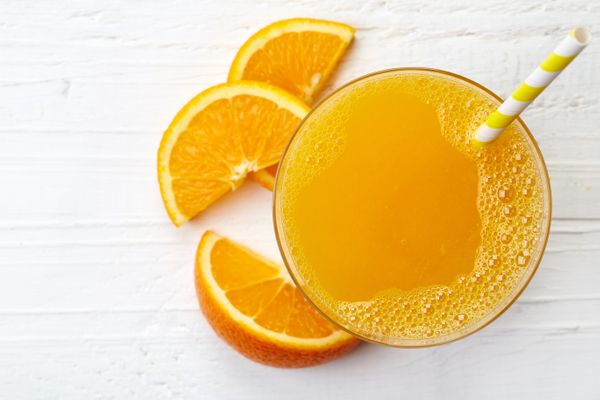
- A technical product like a laptop may want to give consumers more information about their product, whilst a simple product like orange juice (Tropicana juice for example) may not need to give info.
- A fashion label like Hugo Boss does not have much information to communicate. How their products look is more important.
The nature of the market
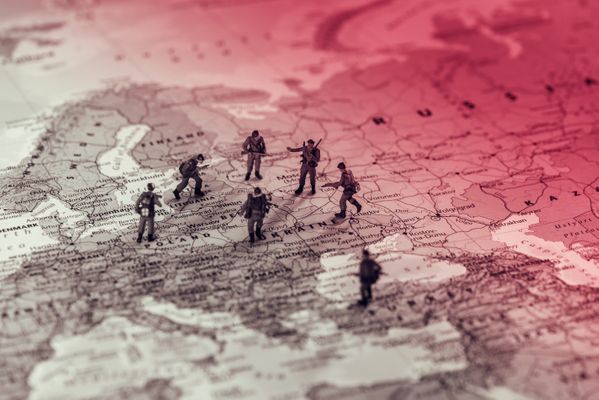
- As a market matures, the rate of growth changes.
- If a market is growing slowly, advertising may be less important.
- If a market is growing fast, then businesses will be battling for market share and are willing to spend more on advertising as it will affect sales by a larger amount.
Target market
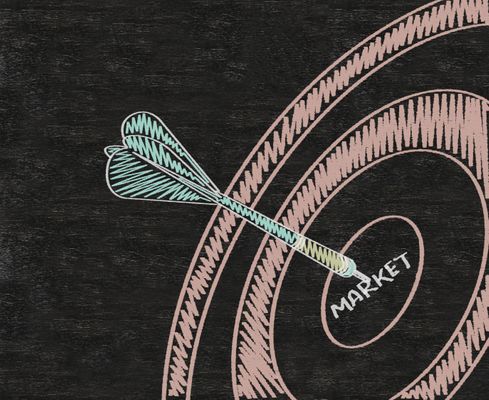
- A business' target market for a product (or service) will affect the promotional method that they use because different types of people use different platforms more often.
- A business wants to promote its product to its potential customers.
- A business that produces women’s underwear will not usually want to promote their product to middle-aged men.
Reasons for Promotion
There are 4 main reasons why businesses use promotion:

To inform/remind customers about the product
- A business cannot sell a product (or service) if no consumers know about it.
- Businesses must be able to inform their target market about their product (or service) and remind people, at the right time, in the hope that they will buy it.
- Reminding customers at the right time is key. There is not much point in promoting Christmas baubles on the 26th December.

To create or increase sales
- Informing consumers that are not aware of a business’ products can ‘create’ new sales.
- By constantly reminding existing customers about a product (or service) and its benefits, businesses can increase the sales from each customer.
- This is more likely to happen during the periods before short “sales windows” like Easter and Christmas.

To create or change the image of a product (or service)
- A promotion can have a large impact on how customers see a product. If a celebrity uses the product, a business can give the product a fun, luxury or innovative image.
- UnderArmour sponsored golfers like Jordan Spieth to create a youthful and cool image after they launched their golf and sporting wear ranges.
- A promotion can help to change customers’ perception of a product.
To persuade customers to buy the product
- Promotions are often used to advertise the benefits of using a product and to explain why you should buy it.
- These are attempts to persuade the customer that this is the best product for them.
1What is Business?
1.1Nature & Purpose of Business
1.2Different Business Forms
1.3Businesses Operate Within an External Environment
2Managers, Leadership & Decision Making
2.1Management, Leadership & Decision Making
2.2Management Decision Making
2.3Role & Importance of Stakeholders
3Marketing Management
3.1Setting Marketing Objectives
3.2Understanding Markets & Customers
3.3Segmentation, Targeting, Positioning
3.4Using the Marketing Mix
3.4.1Marketing Mix3.4.2Pricing Decisions & Price Skimming3.4.3Pricing Decisions & Price Penetration3.4.4Promotional Decisions3.4.5Promotional Decisions 23.4.6Promotional Decisions 33.4.7Distribution Decisions3.4.8Distribution Decisions 23.4.9Social Media & Influencers3.4.10Digital Marketing3.4.11Evaluating Digital Marketing3.4.12A-A* (AO3/4) - The Marketing Mix & Promotion3.4.13A-A* (AO3/4) - Pricing & Competition
4Operational Management
4.1Setting Operational Objectives
4.2Analysing Operational Performance
4.3Increasing Efficiency & Productivity
4.4Improving Quality
4.5Managing Inventory & Supply Chains
4.6Business & The External Environment
5Financial Management
5.1Setting Financial Objectives
5.2Analysing Financial Performance
5.3Sources of Finance
5.4Improving Cash Flow & Profits
6Human Resource Management
6.1Setting Human Resource Objectives
6.2Analysing Human Resource Performance
6.3Improving Org Design & Human Resource Flow
6.4Improving Motivation & Engagement
6.5Improving Employer-Employee Relations
7Strategic Position of a Business (A Level Only)
7.1Mission, Objectives, Strategy
7.2Financial Ratio Analysis
7.3Assessing Overall Performance
7.4Assessing Political & Legal Change
7.5Assessing Economic Change
7.6Assessing Social & Technological Change
7.7The Competitive Environment
7.8Investment Appraisal
8Choosing Strategic Direction (A Level Only)
8.1Markets to Compete & Products to Offer
8.2How to Compete
9Pursuing Strategies (A Level Only)
9.1Assessing a Change in Scale
9.2Assessing Innovation
9.3Globalisation & Internationalisation
9.4Greater Use of Digital Technology
10Managing Strategic Change
10.1Managing Change
10.2Managing Organisational Culture
10.3Managing Strategic Implementation
10.4Problems with Strategy & Why They Fail
Jump to other topics
1What is Business?
1.1Nature & Purpose of Business
1.2Different Business Forms
1.3Businesses Operate Within an External Environment
2Managers, Leadership & Decision Making
2.1Management, Leadership & Decision Making
2.2Management Decision Making
2.3Role & Importance of Stakeholders
3Marketing Management
3.1Setting Marketing Objectives
3.2Understanding Markets & Customers
3.3Segmentation, Targeting, Positioning
3.4Using the Marketing Mix
3.4.1Marketing Mix3.4.2Pricing Decisions & Price Skimming3.4.3Pricing Decisions & Price Penetration3.4.4Promotional Decisions3.4.5Promotional Decisions 23.4.6Promotional Decisions 33.4.7Distribution Decisions3.4.8Distribution Decisions 23.4.9Social Media & Influencers3.4.10Digital Marketing3.4.11Evaluating Digital Marketing3.4.12A-A* (AO3/4) - The Marketing Mix & Promotion3.4.13A-A* (AO3/4) - Pricing & Competition
4Operational Management
4.1Setting Operational Objectives
4.2Analysing Operational Performance
4.3Increasing Efficiency & Productivity
4.4Improving Quality
4.5Managing Inventory & Supply Chains
4.6Business & The External Environment
5Financial Management
5.1Setting Financial Objectives
5.2Analysing Financial Performance
5.3Sources of Finance
5.4Improving Cash Flow & Profits
6Human Resource Management
6.1Setting Human Resource Objectives
6.2Analysing Human Resource Performance
6.3Improving Org Design & Human Resource Flow
6.4Improving Motivation & Engagement
6.5Improving Employer-Employee Relations
7Strategic Position of a Business (A Level Only)
7.1Mission, Objectives, Strategy
7.2Financial Ratio Analysis
7.3Assessing Overall Performance
7.4Assessing Political & Legal Change
7.5Assessing Economic Change
7.6Assessing Social & Technological Change
7.7The Competitive Environment
7.8Investment Appraisal
8Choosing Strategic Direction (A Level Only)
8.1Markets to Compete & Products to Offer
8.2How to Compete
9Pursuing Strategies (A Level Only)
9.1Assessing a Change in Scale
9.2Assessing Innovation
9.3Globalisation & Internationalisation
9.4Greater Use of Digital Technology
10Managing Strategic Change
10.1Managing Change
10.2Managing Organisational Culture
10.3Managing Strategic Implementation
10.4Problems with Strategy & Why They Fail
Practice questions on Promotional Decisions 3
Can you answer these? Test yourself with free interactive practice on Seneca — used by over 10 million students.
- 1What are the factors influencing the promotional mix?Fill in the list
- 2
- 3What are the 4 main reasons why businesses use promotion?Fill in the list
- 4
- 5Why do businesses use promotion?True / false
Unlock your full potential with Seneca Premium
Unlimited access to 10,000+ open-ended exam questions
Mini-mock exams based on your study history
Unlock 800+ premium courses & e-books