11.3.1
Aims & Policymaking of the European Union
Test your knowledge with free interactive questions on Seneca — used by over 10 million students.
Aims of the European Union
The European Union (EU) is an economic and political union of countries in Europe which is based on the free movement of people, goods, capital and services between member states.

Four freedoms
- The EU has “four freedoms” which are the basis of the EU. The EU aims to integrate its member states using the four freedoms.
- The four freedoms are free movement of goods, free movement of capital, free movement of workers and the freedom to provide and establish services.
- The freedoms were outlined in the 1957 Treaty of Rome which established the European Economic Community.

Social policy
- There have been developments in the EU’s social policy through the Charter of Fundamental Rights and the Social Chapter.
- The Social Chapter was introduced by the 1992 Maastricht Treaty to protect workers’ rights and to regulate social policy.
- The Charter of Fundamental Rights was introduced by the 2009 Lisbon Treaty and outlines the political, social and economic rights that must be respected when the EU institutions exercise their powers.

Social Chapter
- The Social Chapter outlines 30 principles, including rules about working hours, working conditions and employee payment.
- PM Tony Blair signed the UK up to the Social Chapter in 1997.
- The EU has introduced directives to prevent discrimination at work based on race, gender, age, religion, disability or sexual orientation.

Charter of Fundamental Rights
- Member states must account for the Charter of Fundamental Rights when incorporating EU law into national law and in matters concerning EU law.
- The rights listed in the Charter of Fundamental Rights include the right to life, private and family life, the right to vote, a fair trial, freedom of religion, expression and assembly among many others.

Political and Economic Union
- The EU has moved towards becoming a Political and Economic Union by introducing the Euro and reducing the veto powers of national governments.
- The euro was introduced as a common currency, and by 2026, 20 EU member states use it.
- Some policy areas, such as taxation and treaty change, still require unanimity.
European Union Policy Making
The EU is involved in policy-making through treaties, directives, regulations and rulings of the European Court of Justice. The European Commission ensures that all EU members apply EU law and policy.

Policy: treaties and regulations
- Treaties are binding agreements made between EU member states, which set out EU institutions' rules, the relationship of member states with the Union, and the objectives of the EU.
- An example of an EU treaty is the 1997 Treaty of Amsterdam.
- Regulations are binding legal acts that apply immediately to all EU member states.
- The General Data Protection Regulation (GDPR) was designed to strengthen data protection for all individuals within the EU and applied to all member states from May 2018.

Policy: directives and rulings
- Directives set out goals which all EU member states must achieve.
_ Directives give member states the power to decide how to reach those goals through their own laws.
- The Industrial Emissions Directive (2010/75/EU) set goals for member states to reduce industrial emissions, which member states were required to implement from 2013.
- The European Court of Justice enforces EU law by hearing cases from the European Commission against national governments that have failed to comply with EU law.

The Common Fisheries Policy
- The Common Fisheries Policy outlines the rules for managing stocks of fish and fishing fleets in Europe.
- The Common Fisheries Policy aims to preserve fish stocks by setting quotas on the amounts of certain types of fish that each member state is allowed to catch.
- The Common Fisheries Policy provides funding to support fishermen and gives EU fleets the same level of access to all waters within the EU.

Impact on the UK
- In the UK, the Common Fisheries Policy was viewed as unfair on fishermen in certain areas who had their quotas bought up by fishermen from other countries.
- Some in the UK viewed equal access for all EU fishermen to UK waters as unfair, given the UK's comparatively large fishing zone.
- The UK left the Common Fisheries Policy when the Brexit transition period ended in December 2020, becoming an independent coastal state responsible for managing its own waters.
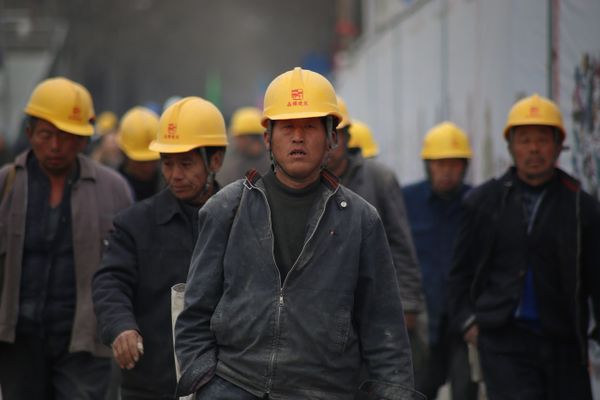
The Social Chapter
- The Social Chapter promotes workers' rights, covering areas such as working hours, working conditions and equal treatment, and was adopted alongside the Maastricht Treaty in 1992.
- The UK initially opted out of the Social Chapter but signed up to it in 1997 under Tony Blair.

Impact on the UK
- The Social Chapter can be argued to have eroded the UK's sovereignty by introducing laws and regulations which UK businesses had to follow.
- The Working Time Directive set EU rules on weekly working hours and a minimum number of holiday days; the UK retained these provisions after Brexit through the Working Time Regulations.
- Many UK businesses opposed the Social Chapter because it increased their labour costs and made them less competitive than businesses in countries with less stringent regulations.
1Democracy & Participation
1.1Representative & Direct Democracy
1.2Wider Franchise & Suffrage
1.3Pressure Groups & Other Influences
2Political Parties
2.1How Political Parties Work
2.2Established Political Parties
2.3Emerging & Minor Political Parties
3Electoral Systems
3.1Different Electoral Systems
3.2Referendums & How They Are Used
4Voting Behaviour & the Media
5Conservatism
5.1Conservatism: Core Ideas & Principles
5.2Conservatism: Differing Views & Tensions
6Liberalism
6.1Liberalism: Core Ideas & Principles
6.2Differing Views And Tensions Within Liberalism
7Socialism
7.1Socialism: Core Ideas & Principles
7.2Differing Views And Tensions Within Socialism
8The UK Constitution
8.1Nature & Sources of UK Constitution
8.2Constitutional Change since 1997
8.3Role & Powers of Devolved UK Bodies
9The UK Parliament
9.1Houses of Parliament
9.2Comparative Powers
9.3Legislative Process
10The Prime Minister & the Executive
10.1The Executive
10.2Ministerial Responsibility
10.3Prime Minister & the Cabinet
10.3.1Role of the Prime Minister10.3.2Prime Minister's Powers10.3.3Limits on the Prime Minister's Powers10.3.4Role of the Cabinet10.3.5Prime Minister & Cabinet: Relations10.3.6Prime Minister & Cabinet: Balance of Power10.3.7Prime Minister & Cabinet: Case Studies10.3.8End of Topic Test - PM & Cabinet10.3.9Top Grade AO3/4 - PM & Cabinet
11Relationships Between Government Branches
11.1The Supreme Court
11.2Parliament & Executive Relations
11.3The European Union & the UK
11.4Sovereignty in the UK Political System
12US Constitution & Federalism
12.1Nature of the US Constitution
12.2Principles of the US Constitution
12.3Federalism
13US Congress
13.1Structure of Congress
13.2Functions of Congress
14US Presidency
14.1Presidential Power
14.2The Presidency
14.3Interpretations & Debates of the US Presidency
15US Supreme Court & Civil Rights
15.1Nature & Role of Supreme Court
15.2Supreme Court Appointment Process
15.3The Supreme Court & Public Policy
15.4Protection of Civil Liberties & Rights
15.5Debates & Interpretations of the Supreme Court
16US Democracy & Participation
16.1Presidential Elections
16.2Electoral College
16.3Electoral Campaigns
16.4Incumbency
16.5Democrats & Republicans
16.6Internal Conflict & Ideology
16.7Support & Demographics
17Comparing Democracies
17.1Theoretical Approaches
17.2UK & USA Similarities & Differences
17.2.1Constitution: Nature17.2.2Constitution: Provisions & Principles17.2.3Federal System & Devolution17.2.4Legislative: Lower Houses of Government17.2.5Legislative: Upper Houses of Government17.2.6Legislative: Powers & Functions17.2.7Executive17.2.8Supreme Court17.2.9Supreme Court: Judicial Independence17.2.10Civil Rights17.2.11Civil Rights: Interest Groups17.2.12Party Systems & Parties17.2.13Campaign Finance & Pressure Groups17.2.14End of Topic Test - Comparing UK & US17.2.15Application Questions - UK & USA
18Feminism
18.1Feminism: Core Ideas & Principles
18.2Different Types of Feminism
19Nationalism
19.1Nationalism: Core Ideas & Principles
19.2Different Types of Nationalism
Jump to other topics
1Democracy & Participation
1.1Representative & Direct Democracy
1.2Wider Franchise & Suffrage
1.3Pressure Groups & Other Influences
2Political Parties
2.1How Political Parties Work
2.2Established Political Parties
2.3Emerging & Minor Political Parties
3Electoral Systems
3.1Different Electoral Systems
3.2Referendums & How They Are Used
4Voting Behaviour & the Media
5Conservatism
5.1Conservatism: Core Ideas & Principles
5.2Conservatism: Differing Views & Tensions
6Liberalism
6.1Liberalism: Core Ideas & Principles
6.2Differing Views And Tensions Within Liberalism
7Socialism
7.1Socialism: Core Ideas & Principles
7.2Differing Views And Tensions Within Socialism
8The UK Constitution
8.1Nature & Sources of UK Constitution
8.2Constitutional Change since 1997
8.3Role & Powers of Devolved UK Bodies
9The UK Parliament
9.1Houses of Parliament
9.2Comparative Powers
9.3Legislative Process
10The Prime Minister & the Executive
10.1The Executive
10.2Ministerial Responsibility
10.3Prime Minister & the Cabinet
10.3.1Role of the Prime Minister10.3.2Prime Minister's Powers10.3.3Limits on the Prime Minister's Powers10.3.4Role of the Cabinet10.3.5Prime Minister & Cabinet: Relations10.3.6Prime Minister & Cabinet: Balance of Power10.3.7Prime Minister & Cabinet: Case Studies10.3.8End of Topic Test - PM & Cabinet10.3.9Top Grade AO3/4 - PM & Cabinet
11Relationships Between Government Branches
11.1The Supreme Court
11.2Parliament & Executive Relations
11.3The European Union & the UK
11.4Sovereignty in the UK Political System
12US Constitution & Federalism
12.1Nature of the US Constitution
12.2Principles of the US Constitution
12.3Federalism
13US Congress
13.1Structure of Congress
13.2Functions of Congress
14US Presidency
14.1Presidential Power
14.2The Presidency
14.3Interpretations & Debates of the US Presidency
15US Supreme Court & Civil Rights
15.1Nature & Role of Supreme Court
15.2Supreme Court Appointment Process
15.3The Supreme Court & Public Policy
15.4Protection of Civil Liberties & Rights
15.5Debates & Interpretations of the Supreme Court
16US Democracy & Participation
16.1Presidential Elections
16.2Electoral College
16.3Electoral Campaigns
16.4Incumbency
16.5Democrats & Republicans
16.6Internal Conflict & Ideology
16.7Support & Demographics
17Comparing Democracies
17.1Theoretical Approaches
17.2UK & USA Similarities & Differences
17.2.1Constitution: Nature17.2.2Constitution: Provisions & Principles17.2.3Federal System & Devolution17.2.4Legislative: Lower Houses of Government17.2.5Legislative: Upper Houses of Government17.2.6Legislative: Powers & Functions17.2.7Executive17.2.8Supreme Court17.2.9Supreme Court: Judicial Independence17.2.10Civil Rights17.2.11Civil Rights: Interest Groups17.2.12Party Systems & Parties17.2.13Campaign Finance & Pressure Groups17.2.14End of Topic Test - Comparing UK & US17.2.15Application Questions - UK & USA
18Feminism
18.1Feminism: Core Ideas & Principles
18.2Different Types of Feminism
19Nationalism
19.1Nationalism: Core Ideas & Principles
19.2Different Types of Nationalism
Practice questions on Aims & Policymaking of the European Union
Can you answer these? Test yourself with free interactive practice on Seneca — used by over 10 million students.
- 1Which treaty introduced the Social Chapter?Multiple choice
- 2Four Freedoms of the EU:Fill in the list
- 3Rights listed in the Charter of Fundamental Rights:Fill in the list
- 4
- 5Impact of the Common Fisheries Policy on the UK:Fill in the list
Unlock your full potential with Seneca Premium
Unlimited access to 10,000+ open-ended exam questions
Mini-mock exams based on your study history
Unlock 800+ premium courses & e-books