4.3.1
Characterised By
Test your knowledge with free interactive questions on Seneca — used by over 10 million students.
Ous - Characterised By
Words ending in 'ous' generally mean characterised by or full of.

Nutritious
- Nutritious means full of nutrition. In other words, very nourishing.
- Example: Broccoli and carrots are very nutritious foods.
- Alternative: Broccoli and carrots and very nourishing foods.

Studious
- Studious means characterised by studying a lot.
- Example: Emmy was a very studious girl at school.
- Alternative: Emmy loved studying at school.

Adventurous
- Adventurous means characterised by adventure.
- Example: Damien was known for being very adventurous.
- Alternative: Damien was known for loving adventure.

Disastrous
- Disastrous means characterised by disaster.
- Example: The school trip was disastrous from start to finish.
- Alternative: The school trip was full of disaster from start of finish.

Famous
- Someone or something that's famous is characterised by having a lot of fame.
- Example: Justin Bieber is a very famous pop star.
- Alternative: Justin Bieber is a very well known pop star.
Y - Characterised By
Words ending in 'y' generally mean something is characterised by or full of something.

Tasty
- Characterised by taste.
- Example: The bacon sandwich was so tasty I ordered another.
- Alternative: The bacon sandwich was so full of flavour I ordered another one.

Greasy
- Characterised by grease.
- Example: Ruben had not washed his hair in a week - it was so greasy.
- Alternative: Ruben had not washed his hair in a week - it was covered in grease.

Hazy
- Characterised by haze.
- Example: Beijing is often very hazy from pollution.
- Alternative: Beijing is often covered in a haze from pollution.

Smelly
- Characterised by smell.
- Example: Jack was so smelly, his scent filled the room when he entered.
- Alternative: Jack smelt so strongly, his scent filled the room when he entered.
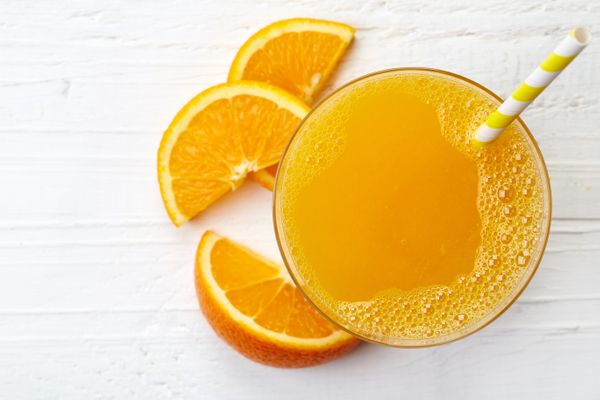
Juicy
- Full of juice.
- Example: The orange juice from Sainsbury's is particularly juicy.
- Alternative: The orange juice from Sainsbury's is particularly fruity.
Ful - Notable For
Words ending in 'ful' generally being notable for something.

Woeful
- Woeful means full of sadness or notable for sadness.
- Example: Grace had a very woeful expression.
- Alternative: Grace had a very sad expression.

Beautiful
- Beautiful means notable for looking nice or beauty.
- Example: Karen was known for being the most beautiful girl in town.
- Alternative: Karen was known for being the most attractive girl in town.

Powerful
- Powerful means having lots of power or being notable for having power.
- Example: Love is a powerful force.
- Alternative: Love is a strong force.

Peaceful
- Peaceful means without violence or being notable for being calm.
- Example: The civil rights movement was characterised by peaceful protest.
- Alternative: The civil rights movement was characterised by non-violent protest.

Faithful
- Faithful means being very loyal or being notable for being trustworthy.
- Example: Ricky calls me whenever I am sad - he is such a faithful friend.
- Alternative: Ricky calls me whenever I am sad - he is such a loyal friend.
1Spelling
1.1Spelling
1.2Prefixes
1.3Suffixes
1.3.1Vowel Suffixes1.3.2Short Vowel Suffixes1.3.3Suffixes: '-ous'1.3.4Rules for Suffixes: '-ous'1.3.5Rules for Suffixes: '-ous' 21.3.6Suffixes: '-ly'1.3.7Suffixes: '-ation'1.3.8Suffixes: '-ation' 21.3.9Spelling: '-tion' Endings1.3.10Spelling: '-sion' Endings1.3.11Spelling: '-ssion' Endings1.3.12Spelling: '-cian' Endings1.3.13End of Topic Test - Suffixes1.3.14End of Topic Test - Spelling
1.4Making Words Plural
1.5Homophones
1.5.1Accept & Except1.5.2Affect & Effect1.5.3Ball & Bawl1.5.4Berry & Bury1.5.5Brake & Break1.5.6Fair & Fare1.5.7Grate & Great1.5.8Groan & Grown1.5.9Hear & Here1.5.10Heal, Heel & He'll1.5.11Knot & Not1.5.12Mail & Male1.5.13Main & Mane1.5.14Meat & Meet1.5.15Medal & Meddle1.5.16Missed & Mist1.5.17Peace & Piece1.5.18Plain & Plane1.5.19Rain & Reign & Rein1.5.20Scene & Seen1.5.21Weather & Whether1.5.22Whose & Who's1.5.23End of Topic Test - Homophones1.5.24End of Topic Test - Homophones 21.5.25End of Topic Test - Homophones 3
1.6Word Meanings
2Punctuation
2.1Punctuation
2.1.1Full Stops2.1.2Capital Letters2.1.3Commas2.1.4Commas 22.1.5Using Apostrophes with Regular Plurals2.1.6Using Apostrophes with Irregular Plurals2.1.7Question Marks & Exclamation Marks2.1.8Brackets2.1.9Dashes2.1.10Colon2.1.11Semi-Colon2.1.12Direct Speech2.1.13Indirect Speech2.1.14Hyphens2.1.15Ellipses2.1.16End of Topic Test - Punctuation2.1.17End of Topic Test - Punctuation 2
3Grammar
3.1Word Classes
3.2Conjunctions
3.3Writing Coherently
3.5Modal Verbs
3.6Phrasal Verbs
3.7Subjunctive Verbs
3.8Sentences
3.8.1Subject of a Sentence3.8.2Object of a Sentence3.8.3Main & Subordinate Clauses3.8.4Simple Sentences & Compound Sentences3.8.5Complex Sentences3.8.6Relative Clauses3.8.7Relative Clauses Without Relative Pronouns3.8.8Participle Clauses3.8.9Run-on Sentences3.8.10Sentence Functions3.8.11End of Topic Test - Sentences
3.9Tenses
3.10Adverbials
4Decoding Words
4.1Common Word Roots
4.2Common Prefixes
4.2.1For & Against4.2.2All & Same4.2.3Away & Far4.2.4Colour & Shape4.2.5Back & Down4.2.6Numbers4.2.7Across & Through4.2.8Life & Earth4.2.9Empty & Broken4.2.10Great & Greater4.2.11Hearing & Speaking4.2.12Apart & Together4.2.13Over & Under4.2.14In4.2.15Less & Smaller4.2.16Before & After4.2.17End of Topic Test - Common Prefixes 24.2.18End of Topic Test - Common Prefixes
5Reading & Writing
5.1Reading Formats
5.2Writing Formats
Jump to other topics
1Spelling
1.1Spelling
1.2Prefixes
1.3Suffixes
1.3.1Vowel Suffixes1.3.2Short Vowel Suffixes1.3.3Suffixes: '-ous'1.3.4Rules for Suffixes: '-ous'1.3.5Rules for Suffixes: '-ous' 21.3.6Suffixes: '-ly'1.3.7Suffixes: '-ation'1.3.8Suffixes: '-ation' 21.3.9Spelling: '-tion' Endings1.3.10Spelling: '-sion' Endings1.3.11Spelling: '-ssion' Endings1.3.12Spelling: '-cian' Endings1.3.13End of Topic Test - Suffixes1.3.14End of Topic Test - Spelling
1.4Making Words Plural
1.5Homophones
1.5.1Accept & Except1.5.2Affect & Effect1.5.3Ball & Bawl1.5.4Berry & Bury1.5.5Brake & Break1.5.6Fair & Fare1.5.7Grate & Great1.5.8Groan & Grown1.5.9Hear & Here1.5.10Heal, Heel & He'll1.5.11Knot & Not1.5.12Mail & Male1.5.13Main & Mane1.5.14Meat & Meet1.5.15Medal & Meddle1.5.16Missed & Mist1.5.17Peace & Piece1.5.18Plain & Plane1.5.19Rain & Reign & Rein1.5.20Scene & Seen1.5.21Weather & Whether1.5.22Whose & Who's1.5.23End of Topic Test - Homophones1.5.24End of Topic Test - Homophones 21.5.25End of Topic Test - Homophones 3
1.6Word Meanings
2Punctuation
2.1Punctuation
2.1.1Full Stops2.1.2Capital Letters2.1.3Commas2.1.4Commas 22.1.5Using Apostrophes with Regular Plurals2.1.6Using Apostrophes with Irregular Plurals2.1.7Question Marks & Exclamation Marks2.1.8Brackets2.1.9Dashes2.1.10Colon2.1.11Semi-Colon2.1.12Direct Speech2.1.13Indirect Speech2.1.14Hyphens2.1.15Ellipses2.1.16End of Topic Test - Punctuation2.1.17End of Topic Test - Punctuation 2
3Grammar
3.1Word Classes
3.2Conjunctions
3.3Writing Coherently
3.5Modal Verbs
3.6Phrasal Verbs
3.7Subjunctive Verbs
3.8Sentences
3.8.1Subject of a Sentence3.8.2Object of a Sentence3.8.3Main & Subordinate Clauses3.8.4Simple Sentences & Compound Sentences3.8.5Complex Sentences3.8.6Relative Clauses3.8.7Relative Clauses Without Relative Pronouns3.8.8Participle Clauses3.8.9Run-on Sentences3.8.10Sentence Functions3.8.11End of Topic Test - Sentences
3.9Tenses
3.10Adverbials
4Decoding Words
4.1Common Word Roots
4.2Common Prefixes
4.2.1For & Against4.2.2All & Same4.2.3Away & Far4.2.4Colour & Shape4.2.5Back & Down4.2.6Numbers4.2.7Across & Through4.2.8Life & Earth4.2.9Empty & Broken4.2.10Great & Greater4.2.11Hearing & Speaking4.2.12Apart & Together4.2.13Over & Under4.2.14In4.2.15Less & Smaller4.2.16Before & After4.2.17End of Topic Test - Common Prefixes 24.2.18End of Topic Test - Common Prefixes
5Reading & Writing
5.1Reading Formats
5.2Writing Formats
Practice questions on Characterised By
Can you answer these? Test yourself with free interactive practice on Seneca — used by over 10 million students.
- 1What do words ending in 'ous' generally mean?Multiple choice
- 2
- 3What does the suffix 'ful' mean?Multiple choice
Unlock your full potential with Seneca Premium
Unlimited access to 10,000+ open-ended exam questions
Mini-mock exams based on your study history
Unlock 800+ premium courses & e-books