3.5.6
The Rome-Berlin Axis
Test your knowledge with free interactive questions on Seneca — used by over 10 million students.
The Rome-Berlin Axis
In 1936, Germany and Italy signed an alliance.
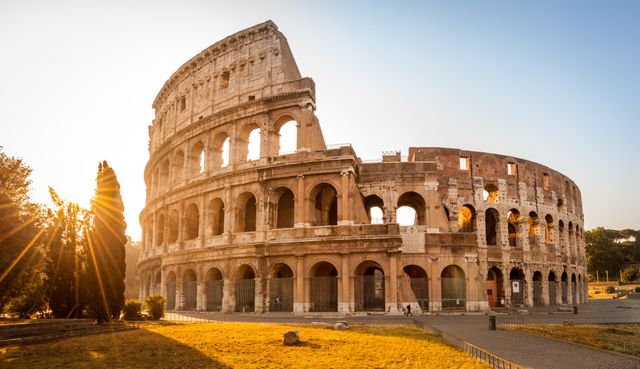
1936
- As a result of Hitler’s display of strength over the re-occupying of the Rhineland, Mussolini signed a treaty to support Hitler.
- Both countries promised that they would work closely together.
- This was the Rome-Berlin Axis.

Mussolini's motivations
- Mussolini was a Fascist like Hitler and wanted a strong military dictatorship in his own country.
- He also wanted to build an empire (like the previous Roman Empire) so allied with Hitler to do this.

Spanish alliance
- Hitler also had potential allies with Spain as they were also under right-wing government.
- In 1936 they had a civil war and Hitler supported the Fascist leader Franco by sending the German air force (Luftwaffe) to help support him.
- He also sent troops to help Franco win.

Reassurance
- Hitler could have used Franco as an ally so this could have possibly motivated him to continually break the rules of the Treaty of Versailles.
1Was the Treaty of Versailles Fair?
1.1What were the Motives and Aims at Versailles?
1.2Did the Victors Get Everything They Wanted?
1.3What was the Impact on Germany up to 1923?
1.4Could the Treaty be Justified at the Time?
2Was the League of Nations a Success?
2.1How did Weaknesses in the League Lead to Failure?
2.2The League’s Success in Peacekeeping
2.3How Important was the League's Humanitarian Work?
2.4How did the Depression Impact the League?
3How did Hitler's Foreign Policy Impact the War?
3.1What were the Long-Term Consequences of Versailles
3.2What were the Consequences of the League's Failure
3.3Was the Policy of Appeasement Justified?
3.4How Important was the Nazi-Soviet Pact?
3.5Why did Britain & France Declare War on Germany?
3.5.1The Guarantee for Poland and the War3.5.2Hitler’s Foreign Policy & Rearmament3.5.3Hitler's Plan3.5.4The Saar3.5.5Remilitarisation of the Rhineland3.5.6The Rome-Berlin Axis3.5.7Germany & Italy in the Spanish War3.5.8The Anti-Comintern Pact3.5.9Anschluss with Austria3.5.10The Munich Agreement3.5.11The Crisis over Czechoslovakia
4Who was to Blame for the Cold War?
4.1Why did the US-Soviet Alliance Break Down?
4.2How did the USSR Gain Control of Eastern Europe?
4.3How did the US React to Soviet Expansionism?
4.4What were the Consequences of the Berlin Blockade?
4.5Who was More to Blame for Starting the Cold War?
5Did the US Contain the Spread of Communism?
5.1The US and Korea, 1950-53
5.2The US and Cuba, 1959-62
5.3The US and Vietnam, 1955-75
5.3.1French Rule in Vietnam5.3.2President Eisenhower5.3.3President Kennedy5.3.4The Gulf of Tonkin Incident, 19645.3.5US Tactics5.3.6Vietcong Tactics5.3.7The Vietcong5.3.8The My Lai Massacre, 19685.3.9Vietnamisation5.3.10The Tet Offensive, 19685.3.11Attacks on Cambodia & Laos5.3.12The Bombing of North Vietnam5.3.13The Failure of Vietnamisation5.3.14The Growth of Opposition5.3.15The Draft System5.3.16The Kent State University Shootings, 19705.3.17Political Opposition5.3.18Reasons for Support 15.3.19Reasons for Support 25.3.20Political Support5.3.21Peace Negotiations5.3.22The Paris Peace Accords, 19735.3.23Economic & Human Costs 15.3.24Economic & Human Costs 25.3.25The Strengths of North Vietnam 15.3.26The Strengths of North Vietnam 25.3.27The Weaknesses of the US 15.3.28The Weaknesses of the US 25.3.29Opposition in the US5.3.30Reasons Why USA Lost
6How was USSR's Control Over Eastern Europe?
6.1Opposition to Control in Hungary & Czechoslovakia
6.2Similarities Between Hungary & Czechoslovakia
6.3Why was the Berlin Wall Built?
6.4Solidarity in Poland & Soviet Influence
Jump to other topics
1Was the Treaty of Versailles Fair?
1.1What were the Motives and Aims at Versailles?
1.2Did the Victors Get Everything They Wanted?
1.3What was the Impact on Germany up to 1923?
1.4Could the Treaty be Justified at the Time?
2Was the League of Nations a Success?
2.1How did Weaknesses in the League Lead to Failure?
2.2The League’s Success in Peacekeeping
2.3How Important was the League's Humanitarian Work?
2.4How did the Depression Impact the League?
3How did Hitler's Foreign Policy Impact the War?
3.1What were the Long-Term Consequences of Versailles
3.2What were the Consequences of the League's Failure
3.3Was the Policy of Appeasement Justified?
3.4How Important was the Nazi-Soviet Pact?
3.5Why did Britain & France Declare War on Germany?
3.5.1The Guarantee for Poland and the War3.5.2Hitler’s Foreign Policy & Rearmament3.5.3Hitler's Plan3.5.4The Saar3.5.5Remilitarisation of the Rhineland3.5.6The Rome-Berlin Axis3.5.7Germany & Italy in the Spanish War3.5.8The Anti-Comintern Pact3.5.9Anschluss with Austria3.5.10The Munich Agreement3.5.11The Crisis over Czechoslovakia
4Who was to Blame for the Cold War?
4.1Why did the US-Soviet Alliance Break Down?
4.2How did the USSR Gain Control of Eastern Europe?
4.3How did the US React to Soviet Expansionism?
4.4What were the Consequences of the Berlin Blockade?
4.5Who was More to Blame for Starting the Cold War?
5Did the US Contain the Spread of Communism?
5.1The US and Korea, 1950-53
5.2The US and Cuba, 1959-62
5.3The US and Vietnam, 1955-75
5.3.1French Rule in Vietnam5.3.2President Eisenhower5.3.3President Kennedy5.3.4The Gulf of Tonkin Incident, 19645.3.5US Tactics5.3.6Vietcong Tactics5.3.7The Vietcong5.3.8The My Lai Massacre, 19685.3.9Vietnamisation5.3.10The Tet Offensive, 19685.3.11Attacks on Cambodia & Laos5.3.12The Bombing of North Vietnam5.3.13The Failure of Vietnamisation5.3.14The Growth of Opposition5.3.15The Draft System5.3.16The Kent State University Shootings, 19705.3.17Political Opposition5.3.18Reasons for Support 15.3.19Reasons for Support 25.3.20Political Support5.3.21Peace Negotiations5.3.22The Paris Peace Accords, 19735.3.23Economic & Human Costs 15.3.24Economic & Human Costs 25.3.25The Strengths of North Vietnam 15.3.26The Strengths of North Vietnam 25.3.27The Weaknesses of the US 15.3.28The Weaknesses of the US 25.3.29Opposition in the US5.3.30Reasons Why USA Lost
6How was USSR's Control Over Eastern Europe?
6.1Opposition to Control in Hungary & Czechoslovakia
6.2Similarities Between Hungary & Czechoslovakia
6.3Why was the Berlin Wall Built?
6.4Solidarity in Poland & Soviet Influence
Practice questions on The Rome-Berlin Axis
Can you answer these? Test yourself with free interactive practice on Seneca — used by over 10 million students.
- 1When did Germany and Italy sign an alliance?Multiple choice
- 2Mussolini's motivations: Fill in the list
- 3When was the Spanish civil war?Multiple choice
- 4
- 5
Unlock your full potential with Seneca Premium
Unlimited access to 10,000+ open-ended exam questions
Mini-mock exams based on your study history
Unlock 800+ premium courses & e-books