7.1.7
Trading Blocs
Test your knowledge with free interactive questions on Seneca — used by over 10 million students.
Regional Trade Blocs
Regional trade blocs are intergovernmental groups that reduce the barriers to trade in their region.

European Union
- The European Union is a trade bloc made up of 28 European nations (as of 2018).
- The European Union is the most tightly integrated trade bloc, because it combines common external tariffs, with the free movement of labour and for many nations, a common currency in the Euro.

USMCA
- The United States-Mexico-Canada Agreement (USMCA) is between the USA, Canada, and Mexico.
- USMCA supports free trade between its three members. Removing internal quotas and tariffs is the aim of the organisation.
- USMCA does not have common external tariffs on nations outside the 'customs union' or 'trade bloc'.

ASEAN
- The Association of Southeast Asian Nations is a trade bloc of 10 Asian countries, including Indonesia, Malaysia, Singapore, the Philippines, Thailand, Brunei, Cambodia, Laos, Myanmar and Vietnam.
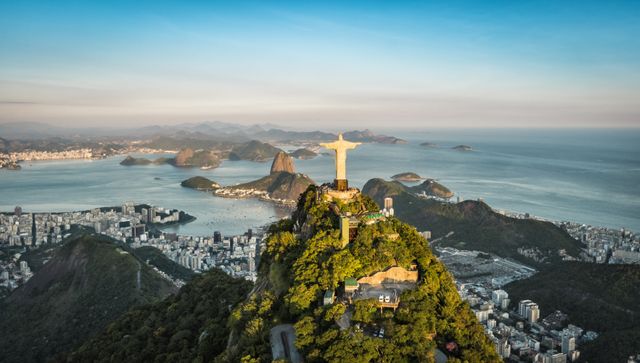
Mercosur
- Mercosur is an economic grouping of Argentina, Brazil, Paraguay and Uruguay.
- It was established by the Treaty of Asuncion in 1991.
- Mercosur does have an external tariff on goods from outside the trade bloc.

COMESA
- COMESA is a grouping of 19 countries in east and southern Africa.
- Its members include Kenya, Libya, Egypt, Madagascar, Mauritius and Zambia.
Customs Union
A customs union is a group of countries who agree to remove barriers to trade between the union and enforce common trade barriers to those outside of the union.

Tariffs
- There are usually no tariffs or quotas between members of a custom union.
- There is usually a common tariff on goods coming from countries outside of the customs union.

Regulations
- Quality regulations are usually standardised within a customs union and people outside the union have to meet these regulations.

Different to a free trade area
- A customs union is a step up on a free trade area, the key difference being that in a free trade area there are no common external tariffs.

European Union
- The European Union is the most famous example of a modern customs union. But there are others including the Southern African Customs Union (which includes Namibia, Botswana and South Africa).
1Introduction to Markets
1.1Nature of Economics
1.1.1Economics as a Social Science1.1.2Positive & Normative Economic Statements1.1.3The Economic Problem1.1.4Resources1.1.5Production Possibility Frontiers1.1.6Specialisation & Division of Labour1.1.7Types of Economies1.1.8End of Topic Test - Nature of Economics1.1.9Application Questions - Nature of Economics
1.2How Markets Work
1.2.1Rational Decision Making1.2.2Demand1.2.3Elasticities of Demand1.2.4Elasticities of Demand 21.2.5Elasticity & Revenue1.2.6Supply1.2.7Elasticity of Supply1.2.8Price Determination1.2.9Price Mechanism1.2.10Consumer & Producer Surplus1.2.11Indirect Taxes & Subsidies1.2.12A-A* (AO3/4) - Taxing Prices or Quantities?1.2.13Alternative View of Consumer Behaviour1.2.14End of Topic Test - Markets1.2.15A-A* (AO3/4) - Markets
2Market Failure
2.1Market Failure
2.2Government Intervention
2.2.1Government Intervention in Markets2.2.2Subsidies & Price Controls2.2.3Pollution Permits & Regulation2.2.4A-A* (AO3/4) - European Emissions Trading2.2.5State Provision & Information Provision2.2.6Government Failure2.2.7End of Topic Test - Government Intervention2.2.8A-A* (AO3/4) - Government Intervention
3The UK Macroeconomy
3.1Measures of Economic Performance
3.1.1Measuring Economic Growth3.1.2National Income Data3.1.3Inflation3.1.4Causes of Inflation3.1.5Consequences of Inflation3.1.6Employment & Unemployment3.1.7Causes & Impact of Unemployment3.1.8A-A* (AO3/4) - Hysteresis3.1.9Balance of Payments3.1.10Current Account Deficit & Imbalances3.1.11End of Topic Test - Economic Performance3.1.12Application Questions Macroeconomy
3.2Aggregate Demand
3.3Aggregate Supply
3.4National Income
4The UK Economy - Policies
4.1Macroeconomic Objectives & Policies
4.1.1Possible Objectives4.1.2Demand-Side Policies - Monetary4.1.3Demand-Side Policies - Monetary 24.1.4A-A* (AO3/4) - The Future of Interest Rates4.1.5Demand-Side Policies - Fiscal4.1.6Demand-Side Policies in 2007-084.1.7Strengths & Weaknesses of Demand Side4.1.8Supply-Side Policies4.1.9Supply-Side Policies 24.1.10Conflicts Between Objectives4.1.11A-A* (AO3/4) - Conflicting Incentives4.1.12Phillips Curve4.1.13End of Topic Topic - Policies & Objectives4.1.14Application Questions - UK Policies
5Business Behaviour
5.1Business Growth
5.2Business Objectives
6Market Structures
6.1Market Structures
6.1.1Efficiency6.1.2Perfect Competition6.1.3Perfect Competition 26.1.4Monopolistic Competition6.1.5Oligopolies6.1.6The Prisoner's Dilemma6.1.7Collusion in Oligopolistic Markets6.1.8A-A* (AO3/4) - Which Factors Affect Collusion?6.1.9Monopolies6.1.10Price Discrimination6.1.11Monopsony6.1.12A-A* (AO3/4) - Models in Economics6.1.13Contestability6.1.14Benefits of Contestability6.1.15End of Topic Test - Market Structures6.1.16Application Questions - Market Structures6.1.17A-A* (AO3/4) - Cereal Collusion
6.2Labour Market
6.2.1Demand for Labour6.2.2Supply of Labour6.2.3Labour Market Imperfections6.2.4A-A* (AO3/4) - Labour Productivity & Unemployment6.2.5A-A* (AO3/4) - What Level of Unionisation is Good?6.2.6Wage Determination6.2.7Elasticity of Labour Supply & Demand6.2.8Intervention in Setting Wages6.2.9End of Topic Test - Labour Market6.2.10A-A* (AO3/4) - Labour Markets
6.3Government Intervention
6.3.1Reasons for Government Intervention6.3.2Government Promotion of Competition6.3.3Usefulness of Competition Policy & Examples6.3.4A-A* (AO3/4) - Modern Competition Policy6.3.5Privatisation6.3.6Government Regulation6.3.7A-A* (AO3/4) - Nationalisation vs Privatisation6.3.8Government Protection of Suppliers and Employees6.3.9Impact of Government Intervention6.3.10End of Topic Test - Government Intervention6.3.11Application Questions - Government Intervention
7A Global Perspective
7.1International Economics - Globalisation & Trade
7.2International Economics - Currency
7.2.1Merged Currency7.2.2Restrictions on Free Trade7.2.3Arguments for Protectionism7.2.4Arguments Against Protectionism7.2.5Balance of Payments7.2.6Balance of Payments 27.2.7Floating Exchange Rates7.2.8Fixed Exchange Rate7.2.9International Competitiveness7.2.10End of Topic Test - International Economy7.2.11Application Questions - International Economics
8Finance & Inequality
8.1Poverty & Inequality
8.2Emerging & Developing Economies
8.2.1Measures of Development8.2.2Factors Influencing Growth & Development8.2.3Barriers to Development8.2.4Barriers to Development 28.2.5A-A* (AO3/4) - The Bottom Billion8.2.6Development Strategies8.2.7Interventionist Strategies8.2.8Aid8.2.9International Institutions8.2.10International Institutions 28.2.11End of Topic Test - Emerging & Developing8.2.12Application Questions - Developing Countries
8.3The Financial Sector
8.4Role of the State in the Macroeconomy
9Examples of Global Policy
9.1International Policies
Jump to other topics
1Introduction to Markets
1.1Nature of Economics
1.1.1Economics as a Social Science1.1.2Positive & Normative Economic Statements1.1.3The Economic Problem1.1.4Resources1.1.5Production Possibility Frontiers1.1.6Specialisation & Division of Labour1.1.7Types of Economies1.1.8End of Topic Test - Nature of Economics1.1.9Application Questions - Nature of Economics
1.2How Markets Work
1.2.1Rational Decision Making1.2.2Demand1.2.3Elasticities of Demand1.2.4Elasticities of Demand 21.2.5Elasticity & Revenue1.2.6Supply1.2.7Elasticity of Supply1.2.8Price Determination1.2.9Price Mechanism1.2.10Consumer & Producer Surplus1.2.11Indirect Taxes & Subsidies1.2.12A-A* (AO3/4) - Taxing Prices or Quantities?1.2.13Alternative View of Consumer Behaviour1.2.14End of Topic Test - Markets1.2.15A-A* (AO3/4) - Markets
2Market Failure
2.1Market Failure
2.2Government Intervention
2.2.1Government Intervention in Markets2.2.2Subsidies & Price Controls2.2.3Pollution Permits & Regulation2.2.4A-A* (AO3/4) - European Emissions Trading2.2.5State Provision & Information Provision2.2.6Government Failure2.2.7End of Topic Test - Government Intervention2.2.8A-A* (AO3/4) - Government Intervention
3The UK Macroeconomy
3.1Measures of Economic Performance
3.1.1Measuring Economic Growth3.1.2National Income Data3.1.3Inflation3.1.4Causes of Inflation3.1.5Consequences of Inflation3.1.6Employment & Unemployment3.1.7Causes & Impact of Unemployment3.1.8A-A* (AO3/4) - Hysteresis3.1.9Balance of Payments3.1.10Current Account Deficit & Imbalances3.1.11End of Topic Test - Economic Performance3.1.12Application Questions Macroeconomy
3.2Aggregate Demand
3.3Aggregate Supply
3.4National Income
4The UK Economy - Policies
4.1Macroeconomic Objectives & Policies
4.1.1Possible Objectives4.1.2Demand-Side Policies - Monetary4.1.3Demand-Side Policies - Monetary 24.1.4A-A* (AO3/4) - The Future of Interest Rates4.1.5Demand-Side Policies - Fiscal4.1.6Demand-Side Policies in 2007-084.1.7Strengths & Weaknesses of Demand Side4.1.8Supply-Side Policies4.1.9Supply-Side Policies 24.1.10Conflicts Between Objectives4.1.11A-A* (AO3/4) - Conflicting Incentives4.1.12Phillips Curve4.1.13End of Topic Topic - Policies & Objectives4.1.14Application Questions - UK Policies
5Business Behaviour
5.1Business Growth
5.2Business Objectives
6Market Structures
6.1Market Structures
6.1.1Efficiency6.1.2Perfect Competition6.1.3Perfect Competition 26.1.4Monopolistic Competition6.1.5Oligopolies6.1.6The Prisoner's Dilemma6.1.7Collusion in Oligopolistic Markets6.1.8A-A* (AO3/4) - Which Factors Affect Collusion?6.1.9Monopolies6.1.10Price Discrimination6.1.11Monopsony6.1.12A-A* (AO3/4) - Models in Economics6.1.13Contestability6.1.14Benefits of Contestability6.1.15End of Topic Test - Market Structures6.1.16Application Questions - Market Structures6.1.17A-A* (AO3/4) - Cereal Collusion
6.2Labour Market
6.2.1Demand for Labour6.2.2Supply of Labour6.2.3Labour Market Imperfections6.2.4A-A* (AO3/4) - Labour Productivity & Unemployment6.2.5A-A* (AO3/4) - What Level of Unionisation is Good?6.2.6Wage Determination6.2.7Elasticity of Labour Supply & Demand6.2.8Intervention in Setting Wages6.2.9End of Topic Test - Labour Market6.2.10A-A* (AO3/4) - Labour Markets
6.3Government Intervention
6.3.1Reasons for Government Intervention6.3.2Government Promotion of Competition6.3.3Usefulness of Competition Policy & Examples6.3.4A-A* (AO3/4) - Modern Competition Policy6.3.5Privatisation6.3.6Government Regulation6.3.7A-A* (AO3/4) - Nationalisation vs Privatisation6.3.8Government Protection of Suppliers and Employees6.3.9Impact of Government Intervention6.3.10End of Topic Test - Government Intervention6.3.11Application Questions - Government Intervention
7A Global Perspective
7.1International Economics - Globalisation & Trade
7.2International Economics - Currency
7.2.1Merged Currency7.2.2Restrictions on Free Trade7.2.3Arguments for Protectionism7.2.4Arguments Against Protectionism7.2.5Balance of Payments7.2.6Balance of Payments 27.2.7Floating Exchange Rates7.2.8Fixed Exchange Rate7.2.9International Competitiveness7.2.10End of Topic Test - International Economy7.2.11Application Questions - International Economics
8Finance & Inequality
8.1Poverty & Inequality
8.2Emerging & Developing Economies
8.2.1Measures of Development8.2.2Factors Influencing Growth & Development8.2.3Barriers to Development8.2.4Barriers to Development 28.2.5A-A* (AO3/4) - The Bottom Billion8.2.6Development Strategies8.2.7Interventionist Strategies8.2.8Aid8.2.9International Institutions8.2.10International Institutions 28.2.11End of Topic Test - Emerging & Developing8.2.12Application Questions - Developing Countries
8.3The Financial Sector
8.4Role of the State in the Macroeconomy
9Examples of Global Policy
9.1International Policies
Practice questions on Trading Blocs
Can you answer these? Test yourself with free interactive practice on Seneca — used by over 10 million students.
- 1Regional Trade Blocs:Fill in the list
- 2
- 3Which of these nations are part of ASEAN?True / false
- 4Which of these nations are part of Mercosur?True / false
- 5
Unlock your full potential with Seneca Premium
Unlimited access to 10,000+ open-ended exam questions
Mini-mock exams based on your study history
Unlock 800+ premium courses & e-books