5.1.4
Demergers
Test your knowledge with free interactive questions on Seneca — used by over 10 million students.
Reasons for Demergers
A demerger is the reversal of a merger between two firms or the reversal of a takeover. One large firm is broken into two or more smaller firms. This can happen because of:
Diseconomies of scale
- If the firm is too large and is experiencing diseconomies of scale then a firm may decide that a demerger is better for shareholders.

Antitrust
- Like how governments block some takeovers, a firm may demerge because of government intervention.
- If a government views a monopoly market structure as a market failure, then the government may force the firm to be broken up.
- Standard Oil was split up by the US Supreme Court into multiple smaller oil companies in 1911.

Failed merger
- If firms merged hoping to cross-sell extra products to customers and this failed then they may demerge.
- If firms merged to try to cut costs by sharing some costs, but this failed, then they may demerge.

Underperforming business unit
- If only one part of the business area is underperforming then it may make sense to demerge that part of the business so that management can focus more on the more successful business areas or units.
- Equity markets may increase the 'multiple' that investors will pay for a business if it only contains 1 successful business instead of 1 successful business and 3 underperforming businesses. Therefore a demerger could create shareholder value.
- Philips sold off their Philips Lighting business via an IPO to focus on higher margin businesses.
Investment or debt
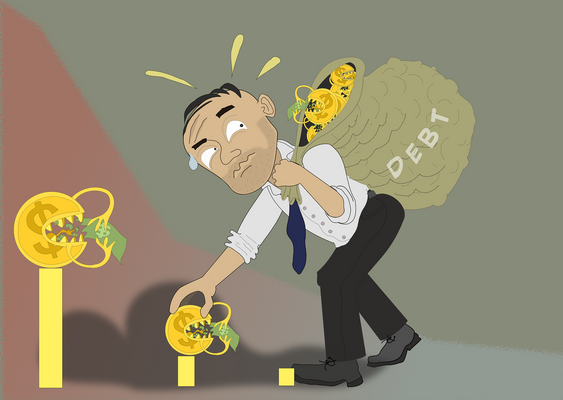
- A firm may sell off one of its divisions to pay off business debts or to undertake a major investment programme.
- Hewlett Packard separated their software and hardware businesses in 2017.
The Impact of Demergers
Demergers can have different impacts on businesses, workers and consumers.

Impact on businesses
- A business is likely to have a better focus after a demerger.
- The total equity value of the business units may rise after a de-merger. If the businesses were unrelated, then a 'conglomerate discount' may vanish.
- If a business was suffering from diseconomies of scale, then a demerger may increase efficiency and lower average cost. However, if the business was operating at the minimum efficient scale, then a lower output may increase average cost.
- Selling a loss-making business is difficult. People are more likely to want to buy a successful business. 'Realising a loss' on a past acquisition and accepting it was a bad choice may harm management's power in the business.

Impact on workers
- Some workers may be forced to work for a new legal entity or employer. There may be cultural clashes or a fall in morale.
- If the demerger happens to fund investment, then some of this investment may be in machinery or automation tools that reduce the need for labour.
- Operating in a smaller firm may be good for workers. Dunbar's number finds that people can operate in groups of up to 150 whilst maintaining strong social relations with all of the other members of the group.

Impact on consumers
- If demerging stops a firm suffering from diseconomies of scale, efficiency could rise, costs could fall and prices could also fall, increasing the level of consumer surplus.
- But if the firm loses economies of scale, costs could rise and prices could rise. This is likely to reduce consumer surplus and consumer welfare.
- But having more firms in an industry may increase choice and competition, leading to higher quality products/services and lower prices.
1Introduction to Markets
1.1Nature of Economics
1.1.1Economics as a Social Science1.1.2Positive & Normative Economic Statements1.1.3The Economic Problem1.1.4Resources1.1.5Production Possibility Frontiers1.1.6Specialisation & Division of Labour1.1.7Types of Economies1.1.8End of Topic Test - Nature of Economics1.1.9Application Questions - Nature of Economics
1.2How Markets Work
1.2.1Rational Decision Making1.2.2Demand1.2.3Elasticities of Demand1.2.4Elasticities of Demand 21.2.5Elasticity & Revenue1.2.6Supply1.2.7Elasticity of Supply1.2.8Price Determination1.2.9Price Mechanism1.2.10Consumer & Producer Surplus1.2.11Indirect Taxes & Subsidies1.2.12A-A* (AO3/4) - Taxing Prices or Quantities?1.2.13Alternative View of Consumer Behaviour1.2.14End of Topic Test - Markets1.2.15A-A* (AO3/4) - Markets
2Market Failure
2.1Market Failure
2.2Government Intervention
2.2.1Government Intervention in Markets2.2.2Subsidies & Price Controls2.2.3Pollution Permits & Regulation2.2.4A-A* (AO3/4) - European Emissions Trading2.2.5State Provision & Information Provision2.2.6Government Failure2.2.7End of Topic Test - Government Intervention2.2.8A-A* (AO3/4) - Government Intervention
3The UK Macroeconomy
3.1Measures of Economic Performance
3.1.1Measuring Economic Growth3.1.2National Income Data3.1.3Inflation3.1.4Causes of Inflation3.1.5Consequences of Inflation3.1.6Employment & Unemployment3.1.7Causes & Impact of Unemployment3.1.8A-A* (AO3/4) - Hysteresis3.1.9Balance of Payments3.1.10Current Account Deficit & Imbalances3.1.11End of Topic Test - Economic Performance3.1.12Application Questions Macroeconomy
3.2Aggregate Demand
3.3Aggregate Supply
3.4National Income
4The UK Economy - Policies
4.1Macroeconomic Objectives & Policies
4.1.1Possible Objectives4.1.2Demand-Side Policies - Monetary4.1.3Demand-Side Policies - Monetary 24.1.4A-A* (AO3/4) - The Future of Interest Rates4.1.5Demand-Side Policies - Fiscal4.1.6Demand-Side Policies in 2007-084.1.7Strengths & Weaknesses of Demand Side4.1.8Supply-Side Policies4.1.9Supply-Side Policies 24.1.10Conflicts Between Objectives4.1.11A-A* (AO3/4) - Conflicting Incentives4.1.12Phillips Curve4.1.13End of Topic Topic - Policies & Objectives4.1.14Application Questions - UK Policies
5Business Behaviour
5.1Business Growth
5.2Business Objectives
6Market Structures
6.1Market Structures
6.1.1Efficiency6.1.2Perfect Competition6.1.3Perfect Competition 26.1.4Monopolistic Competition6.1.5Oligopolies6.1.6The Prisoner's Dilemma6.1.7Collusion in Oligopolistic Markets6.1.8A-A* (AO3/4) - Which Factors Affect Collusion?6.1.9Monopolies6.1.10Price Discrimination6.1.11Monopsony6.1.12A-A* (AO3/4) - Models in Economics6.1.13Contestability6.1.14Benefits of Contestability6.1.15End of Topic Test - Market Structures6.1.16Application Questions - Market Structures6.1.17A-A* (AO3/4) - Cereal Collusion
6.2Labour Market
6.2.1Demand for Labour6.2.2Supply of Labour6.2.3Labour Market Imperfections6.2.4A-A* (AO3/4) - Labour Productivity & Unemployment6.2.5A-A* (AO3/4) - What Level of Unionisation is Good?6.2.6Wage Determination6.2.7Elasticity of Labour Supply & Demand6.2.8Intervention in Setting Wages6.2.9End of Topic Test - Labour Market6.2.10A-A* (AO3/4) - Labour Markets
6.3Government Intervention
6.3.1Reasons for Government Intervention6.3.2Government Promotion of Competition6.3.3Usefulness of Competition Policy & Examples6.3.4A-A* (AO3/4) - Modern Competition Policy6.3.5Privatisation6.3.6Government Regulation6.3.7A-A* (AO3/4) - Nationalisation vs Privatisation6.3.8Government Protection of Suppliers and Employees6.3.9Impact of Government Intervention6.3.10End of Topic Test - Government Intervention6.3.11Application Questions - Government Intervention
7A Global Perspective
7.1International Economics - Globalisation & Trade
7.2International Economics - Currency
7.2.1Merged Currency7.2.2Restrictions on Free Trade7.2.3Arguments for Protectionism7.2.4Arguments Against Protectionism7.2.5Balance of Payments7.2.6Balance of Payments 27.2.7Floating Exchange Rates7.2.8Fixed Exchange Rate7.2.9International Competitiveness7.2.10End of Topic Test - International Economy7.2.11Application Questions - International Economics
8Finance & Inequality
8.1Poverty & Inequality
8.2Emerging & Developing Economies
8.2.1Measures of Development8.2.2Factors Influencing Growth & Development8.2.3Barriers to Development8.2.4Barriers to Development 28.2.5A-A* (AO3/4) - The Bottom Billion8.2.6Development Strategies8.2.7Interventionist Strategies8.2.8Aid8.2.9International Institutions8.2.10International Institutions 28.2.11End of Topic Test - Emerging & Developing8.2.12Application Questions - Developing Countries
8.3The Financial Sector
8.4Role of the State in the Macroeconomy
9Examples of Global Policy
9.1International Policies
Jump to other topics
1Introduction to Markets
1.1Nature of Economics
1.1.1Economics as a Social Science1.1.2Positive & Normative Economic Statements1.1.3The Economic Problem1.1.4Resources1.1.5Production Possibility Frontiers1.1.6Specialisation & Division of Labour1.1.7Types of Economies1.1.8End of Topic Test - Nature of Economics1.1.9Application Questions - Nature of Economics
1.2How Markets Work
1.2.1Rational Decision Making1.2.2Demand1.2.3Elasticities of Demand1.2.4Elasticities of Demand 21.2.5Elasticity & Revenue1.2.6Supply1.2.7Elasticity of Supply1.2.8Price Determination1.2.9Price Mechanism1.2.10Consumer & Producer Surplus1.2.11Indirect Taxes & Subsidies1.2.12A-A* (AO3/4) - Taxing Prices or Quantities?1.2.13Alternative View of Consumer Behaviour1.2.14End of Topic Test - Markets1.2.15A-A* (AO3/4) - Markets
2Market Failure
2.1Market Failure
2.2Government Intervention
2.2.1Government Intervention in Markets2.2.2Subsidies & Price Controls2.2.3Pollution Permits & Regulation2.2.4A-A* (AO3/4) - European Emissions Trading2.2.5State Provision & Information Provision2.2.6Government Failure2.2.7End of Topic Test - Government Intervention2.2.8A-A* (AO3/4) - Government Intervention
3The UK Macroeconomy
3.1Measures of Economic Performance
3.1.1Measuring Economic Growth3.1.2National Income Data3.1.3Inflation3.1.4Causes of Inflation3.1.5Consequences of Inflation3.1.6Employment & Unemployment3.1.7Causes & Impact of Unemployment3.1.8A-A* (AO3/4) - Hysteresis3.1.9Balance of Payments3.1.10Current Account Deficit & Imbalances3.1.11End of Topic Test - Economic Performance3.1.12Application Questions Macroeconomy
3.2Aggregate Demand
3.3Aggregate Supply
3.4National Income
4The UK Economy - Policies
4.1Macroeconomic Objectives & Policies
4.1.1Possible Objectives4.1.2Demand-Side Policies - Monetary4.1.3Demand-Side Policies - Monetary 24.1.4A-A* (AO3/4) - The Future of Interest Rates4.1.5Demand-Side Policies - Fiscal4.1.6Demand-Side Policies in 2007-084.1.7Strengths & Weaknesses of Demand Side4.1.8Supply-Side Policies4.1.9Supply-Side Policies 24.1.10Conflicts Between Objectives4.1.11A-A* (AO3/4) - Conflicting Incentives4.1.12Phillips Curve4.1.13End of Topic Topic - Policies & Objectives4.1.14Application Questions - UK Policies
5Business Behaviour
5.1Business Growth
5.2Business Objectives
6Market Structures
6.1Market Structures
6.1.1Efficiency6.1.2Perfect Competition6.1.3Perfect Competition 26.1.4Monopolistic Competition6.1.5Oligopolies6.1.6The Prisoner's Dilemma6.1.7Collusion in Oligopolistic Markets6.1.8A-A* (AO3/4) - Which Factors Affect Collusion?6.1.9Monopolies6.1.10Price Discrimination6.1.11Monopsony6.1.12A-A* (AO3/4) - Models in Economics6.1.13Contestability6.1.14Benefits of Contestability6.1.15End of Topic Test - Market Structures6.1.16Application Questions - Market Structures6.1.17A-A* (AO3/4) - Cereal Collusion
6.2Labour Market
6.2.1Demand for Labour6.2.2Supply of Labour6.2.3Labour Market Imperfections6.2.4A-A* (AO3/4) - Labour Productivity & Unemployment6.2.5A-A* (AO3/4) - What Level of Unionisation is Good?6.2.6Wage Determination6.2.7Elasticity of Labour Supply & Demand6.2.8Intervention in Setting Wages6.2.9End of Topic Test - Labour Market6.2.10A-A* (AO3/4) - Labour Markets
6.3Government Intervention
6.3.1Reasons for Government Intervention6.3.2Government Promotion of Competition6.3.3Usefulness of Competition Policy & Examples6.3.4A-A* (AO3/4) - Modern Competition Policy6.3.5Privatisation6.3.6Government Regulation6.3.7A-A* (AO3/4) - Nationalisation vs Privatisation6.3.8Government Protection of Suppliers and Employees6.3.9Impact of Government Intervention6.3.10End of Topic Test - Government Intervention6.3.11Application Questions - Government Intervention
7A Global Perspective
7.1International Economics - Globalisation & Trade
7.2International Economics - Currency
7.2.1Merged Currency7.2.2Restrictions on Free Trade7.2.3Arguments for Protectionism7.2.4Arguments Against Protectionism7.2.5Balance of Payments7.2.6Balance of Payments 27.2.7Floating Exchange Rates7.2.8Fixed Exchange Rate7.2.9International Competitiveness7.2.10End of Topic Test - International Economy7.2.11Application Questions - International Economics
8Finance & Inequality
8.1Poverty & Inequality
8.2Emerging & Developing Economies
8.2.1Measures of Development8.2.2Factors Influencing Growth & Development8.2.3Barriers to Development8.2.4Barriers to Development 28.2.5A-A* (AO3/4) - The Bottom Billion8.2.6Development Strategies8.2.7Interventionist Strategies8.2.8Aid8.2.9International Institutions8.2.10International Institutions 28.2.11End of Topic Test - Emerging & Developing8.2.12Application Questions - Developing Countries
8.3The Financial Sector
8.4Role of the State in the Macroeconomy
9Examples of Global Policy
9.1International Policies
Practice questions on Demergers
Can you answer these? Test yourself with free interactive practice on Seneca — used by over 10 million students.
- 1Who was split up by the US Supreme Court in 1911?Multiple choice
- 2Impact of demergers on businesses:True / false
- 3
- 4
Unlock your full potential with Seneca Premium
Unlimited access to 10,000+ open-ended exam questions
Mini-mock exams based on your study history
Unlock 800+ premium courses & e-books