4.1.5
Demand-Side Policies - Fiscal
Test your knowledge with free interactive questions on Seneca — used by over 10 million students.
Functions of Fiscal Policy
Fiscal policy can have both macroeconomic and microeconomic functions.

Microeconomic functions
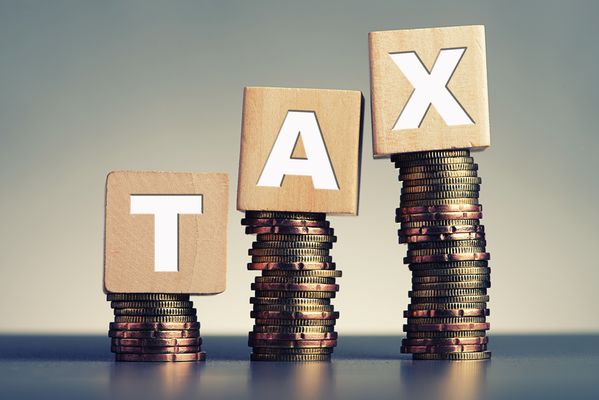
- Governments levy taxes so they can, among other things, provide merit goods (e.g. NHS), provide public goods (e.g. clean drinking water, infrastructure), reduce negative externalities (e.g. pollution), and reduce consumption of demerit goods (e.g. cigarettes).
Macroeconomic functions
- Governments levy taxes so they can, among other things, redistribute income and wealth by giving out transfer payments (e.g. benefits) to reduce inequality.

Government budget
- Fiscal policy depends on the government's budget.
- Budget deficit:
- When government spending exceeds government income.
- Budget surplus:
- When government spending is less than government income
Impact of Fiscal Policy
Fiscal policy can be used to influence both aggregate demand (AD) and aggregate supply (AS).

Impact of fiscal policy on AD
- A government can use fiscal policy to deliberately influence AD, and so macroeconomic objectives.
- E.g. if a government is in a recession, and a negative output gap, a government could use expansionary fiscal policy, such as cutting income tax for those on lower incomes.
- This would cause AD to rise as this group have a higher marginal propensity to consume (MPC).
- A government could also spend more money on building hospitals and schools to increase government spending (G) and so boost AD.
Impact of fiscal policy on AS
- Fiscal policy can also have a supply-side impact.
- If a government cuts corporation tax, firms will have more post-tax profits which may mean investment rises. This should boost human capital and physical capital, so increasing the productive capacity of the economy.
- If a government cuts income tax, it may attract foreign workers to come to the UK to work. This would shift LRAS to the right.
- Equally, if a government spends more on infrastructure, it could shift both AD and LRAS to the right.
1Introduction to Markets
1.1Nature of Economics
1.1.1Economics as a Social Science1.1.2Positive & Normative Economic Statements1.1.3The Economic Problem1.1.4Resources1.1.5Production Possibility Frontiers1.1.6Specialisation & Division of Labour1.1.7Types of Economies1.1.8End of Topic Test - Nature of Economics1.1.9Application Questions - Nature of Economics
1.2How Markets Work
1.2.1Rational Decision Making1.2.2Demand1.2.3Elasticities of Demand1.2.4Elasticities of Demand 21.2.5Elasticity & Revenue1.2.6Supply1.2.7Elasticity of Supply1.2.8Price Determination1.2.9Price Mechanism1.2.10Consumer & Producer Surplus1.2.11Indirect Taxes & Subsidies1.2.12A-A* (AO3/4) - Taxing Prices or Quantities?1.2.13Alternative View of Consumer Behaviour1.2.14End of Topic Test - Markets1.2.15A-A* (AO3/4) - Markets
2Market Failure
2.1Market Failure
2.2Government Intervention
2.2.1Government Intervention in Markets2.2.2Subsidies & Price Controls2.2.3Pollution Permits & Regulation2.2.4A-A* (AO3/4) - European Emissions Trading2.2.5State Provision & Information Provision2.2.6Government Failure2.2.7End of Topic Test - Government Intervention2.2.8A-A* (AO3/4) - Government Intervention
3The UK Macroeconomy
3.1Measures of Economic Performance
3.1.1Measuring Economic Growth3.1.2National Income Data3.1.3Inflation3.1.4Causes of Inflation3.1.5Consequences of Inflation3.1.6Employment & Unemployment3.1.7Causes & Impact of Unemployment3.1.8A-A* (AO3/4) - Hysteresis3.1.9Balance of Payments3.1.10Current Account Deficit & Imbalances3.1.11End of Topic Test - Economic Performance3.1.12Application Questions Macroeconomy
3.2Aggregate Demand
3.3Aggregate Supply
3.4National Income
4The UK Economy - Policies
4.1Macroeconomic Objectives & Policies
4.1.1Possible Objectives4.1.2Demand-Side Policies - Monetary4.1.3Demand-Side Policies - Monetary 24.1.4A-A* (AO3/4) - The Future of Interest Rates4.1.5Demand-Side Policies - Fiscal4.1.6Demand-Side Policies in 2007-084.1.7Strengths & Weaknesses of Demand Side4.1.8Supply-Side Policies4.1.9Supply-Side Policies 24.1.10Conflicts Between Objectives4.1.11A-A* (AO3/4) - Conflicting Incentives4.1.12Phillips Curve4.1.13End of Topic Topic - Policies & Objectives4.1.14Application Questions - UK Policies
5Business Behaviour
5.1Business Growth
5.2Business Objectives
6Market Structures
6.1Market Structures
6.1.1Efficiency6.1.2Perfect Competition6.1.3Perfect Competition 26.1.4Monopolistic Competition6.1.5Oligopolies6.1.6The Prisoner's Dilemma6.1.7Collusion in Oligopolistic Markets6.1.8A-A* (AO3/4) - Which Factors Affect Collusion?6.1.9Monopolies6.1.10Price Discrimination6.1.11Monopsony6.1.12A-A* (AO3/4) - Models in Economics6.1.13Contestability6.1.14Benefits of Contestability6.1.15End of Topic Test - Market Structures6.1.16Application Questions - Market Structures6.1.17A-A* (AO3/4) - Cereal Collusion
6.2Labour Market
6.2.1Demand for Labour6.2.2Supply of Labour6.2.3Labour Market Imperfections6.2.4A-A* (AO3/4) - Labour Productivity & Unemployment6.2.5A-A* (AO3/4) - What Level of Unionisation is Good?6.2.6Wage Determination6.2.7Elasticity of Labour Supply & Demand6.2.8Intervention in Setting Wages6.2.9End of Topic Test - Labour Market6.2.10A-A* (AO3/4) - Labour Markets
6.3Government Intervention
6.3.1Reasons for Government Intervention6.3.2Government Promotion of Competition6.3.3Usefulness of Competition Policy & Examples6.3.4A-A* (AO3/4) - Modern Competition Policy6.3.5Privatisation6.3.6Government Regulation6.3.7A-A* (AO3/4) - Nationalisation vs Privatisation6.3.8Government Protection of Suppliers and Employees6.3.9Impact of Government Intervention6.3.10End of Topic Test - Government Intervention6.3.11Application Questions - Government Intervention
7A Global Perspective
7.1International Economics - Globalisation & Trade
7.2International Economics - Currency
7.2.1Merged Currency7.2.2Restrictions on Free Trade7.2.3Arguments for Protectionism7.2.4Arguments Against Protectionism7.2.5Balance of Payments7.2.6Balance of Payments 27.2.7Floating Exchange Rates7.2.8Fixed Exchange Rate7.2.9International Competitiveness7.2.10End of Topic Test - International Economy7.2.11Application Questions - International Economics
8Finance & Inequality
8.1Poverty & Inequality
8.2Emerging & Developing Economies
8.2.1Measures of Development8.2.2Factors Influencing Growth & Development8.2.3Barriers to Development8.2.4Barriers to Development 28.2.5A-A* (AO3/4) - The Bottom Billion8.2.6Development Strategies8.2.7Interventionist Strategies8.2.8Aid8.2.9International Institutions8.2.10International Institutions 28.2.11End of Topic Test - Emerging & Developing8.2.12Application Questions - Developing Countries
8.3The Financial Sector
8.4Role of the State in the Macroeconomy
9Examples of Global Policy
9.1International Policies
Jump to other topics
1Introduction to Markets
1.1Nature of Economics
1.1.1Economics as a Social Science1.1.2Positive & Normative Economic Statements1.1.3The Economic Problem1.1.4Resources1.1.5Production Possibility Frontiers1.1.6Specialisation & Division of Labour1.1.7Types of Economies1.1.8End of Topic Test - Nature of Economics1.1.9Application Questions - Nature of Economics
1.2How Markets Work
1.2.1Rational Decision Making1.2.2Demand1.2.3Elasticities of Demand1.2.4Elasticities of Demand 21.2.5Elasticity & Revenue1.2.6Supply1.2.7Elasticity of Supply1.2.8Price Determination1.2.9Price Mechanism1.2.10Consumer & Producer Surplus1.2.11Indirect Taxes & Subsidies1.2.12A-A* (AO3/4) - Taxing Prices or Quantities?1.2.13Alternative View of Consumer Behaviour1.2.14End of Topic Test - Markets1.2.15A-A* (AO3/4) - Markets
2Market Failure
2.1Market Failure
2.2Government Intervention
2.2.1Government Intervention in Markets2.2.2Subsidies & Price Controls2.2.3Pollution Permits & Regulation2.2.4A-A* (AO3/4) - European Emissions Trading2.2.5State Provision & Information Provision2.2.6Government Failure2.2.7End of Topic Test - Government Intervention2.2.8A-A* (AO3/4) - Government Intervention
3The UK Macroeconomy
3.1Measures of Economic Performance
3.1.1Measuring Economic Growth3.1.2National Income Data3.1.3Inflation3.1.4Causes of Inflation3.1.5Consequences of Inflation3.1.6Employment & Unemployment3.1.7Causes & Impact of Unemployment3.1.8A-A* (AO3/4) - Hysteresis3.1.9Balance of Payments3.1.10Current Account Deficit & Imbalances3.1.11End of Topic Test - Economic Performance3.1.12Application Questions Macroeconomy
3.2Aggregate Demand
3.3Aggregate Supply
3.4National Income
4The UK Economy - Policies
4.1Macroeconomic Objectives & Policies
4.1.1Possible Objectives4.1.2Demand-Side Policies - Monetary4.1.3Demand-Side Policies - Monetary 24.1.4A-A* (AO3/4) - The Future of Interest Rates4.1.5Demand-Side Policies - Fiscal4.1.6Demand-Side Policies in 2007-084.1.7Strengths & Weaknesses of Demand Side4.1.8Supply-Side Policies4.1.9Supply-Side Policies 24.1.10Conflicts Between Objectives4.1.11A-A* (AO3/4) - Conflicting Incentives4.1.12Phillips Curve4.1.13End of Topic Topic - Policies & Objectives4.1.14Application Questions - UK Policies
5Business Behaviour
5.1Business Growth
5.2Business Objectives
6Market Structures
6.1Market Structures
6.1.1Efficiency6.1.2Perfect Competition6.1.3Perfect Competition 26.1.4Monopolistic Competition6.1.5Oligopolies6.1.6The Prisoner's Dilemma6.1.7Collusion in Oligopolistic Markets6.1.8A-A* (AO3/4) - Which Factors Affect Collusion?6.1.9Monopolies6.1.10Price Discrimination6.1.11Monopsony6.1.12A-A* (AO3/4) - Models in Economics6.1.13Contestability6.1.14Benefits of Contestability6.1.15End of Topic Test - Market Structures6.1.16Application Questions - Market Structures6.1.17A-A* (AO3/4) - Cereal Collusion
6.2Labour Market
6.2.1Demand for Labour6.2.2Supply of Labour6.2.3Labour Market Imperfections6.2.4A-A* (AO3/4) - Labour Productivity & Unemployment6.2.5A-A* (AO3/4) - What Level of Unionisation is Good?6.2.6Wage Determination6.2.7Elasticity of Labour Supply & Demand6.2.8Intervention in Setting Wages6.2.9End of Topic Test - Labour Market6.2.10A-A* (AO3/4) - Labour Markets
6.3Government Intervention
6.3.1Reasons for Government Intervention6.3.2Government Promotion of Competition6.3.3Usefulness of Competition Policy & Examples6.3.4A-A* (AO3/4) - Modern Competition Policy6.3.5Privatisation6.3.6Government Regulation6.3.7A-A* (AO3/4) - Nationalisation vs Privatisation6.3.8Government Protection of Suppliers and Employees6.3.9Impact of Government Intervention6.3.10End of Topic Test - Government Intervention6.3.11Application Questions - Government Intervention
7A Global Perspective
7.1International Economics - Globalisation & Trade
7.2International Economics - Currency
7.2.1Merged Currency7.2.2Restrictions on Free Trade7.2.3Arguments for Protectionism7.2.4Arguments Against Protectionism7.2.5Balance of Payments7.2.6Balance of Payments 27.2.7Floating Exchange Rates7.2.8Fixed Exchange Rate7.2.9International Competitiveness7.2.10End of Topic Test - International Economy7.2.11Application Questions - International Economics
8Finance & Inequality
8.1Poverty & Inequality
8.2Emerging & Developing Economies
8.2.1Measures of Development8.2.2Factors Influencing Growth & Development8.2.3Barriers to Development8.2.4Barriers to Development 28.2.5A-A* (AO3/4) - The Bottom Billion8.2.6Development Strategies8.2.7Interventionist Strategies8.2.8Aid8.2.9International Institutions8.2.10International Institutions 28.2.11End of Topic Test - Emerging & Developing8.2.12Application Questions - Developing Countries
8.3The Financial Sector
8.4Role of the State in the Macroeconomy
9Examples of Global Policy
9.1International Policies
Practice questions on Demand-Side Policies - Fiscal
Can you answer these? Test yourself with free interactive practice on Seneca — used by over 10 million students.
- 1
- 2
- 3
- 4
- 5
Unlock your full potential with Seneca Premium
Unlimited access to 10,000+ open-ended exam questions
Mini-mock exams based on your study history
Unlock 800+ premium courses & e-books