
Overview of Memory
CPD: Cognitive Science Level 1, topic 1.1.1
What is Memory?
Here are two great definitions of memory.

University College London definition
- The process of taking in information from the outside world, storing it in the brain, and later recalling the information to answer a question, solve a problem, make a decision or do something else.

Psychology Today definition
- Without memory, it is not possible to learn new things, form long-lasting relationships or function in normal situations.
- Memory allows our brain to encode, store and retrieve pieces of information.
Emotional Memory
Emotion is a powerful modulator of memory. We remember emotional events more than neutral events.

Amygdala
- In the brain, the main structure involved in emotions is called the amygdala.
- The amygdala influences memory processing in other brain areas, such as the hippocampus.

Stages of memory
- Emotions can affect all of the stages of memory processing.
- Encoding.
- Consolidation.
- Retrieval.
- Reconsolidation.

Children
- Research shows that children usually have stronger memories of positive events.
- Positive emotions, like laughter or joy can help children to memorise details of events or other important knowledge.
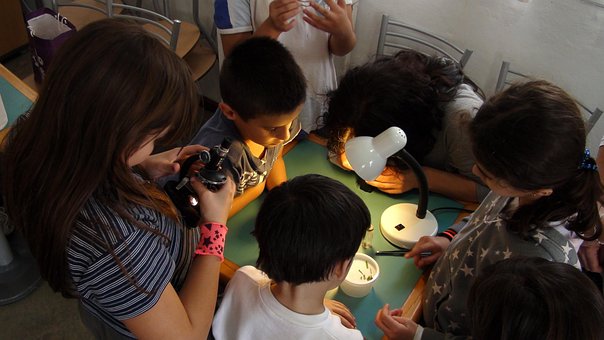
Curiosity
- Anticipation or curiosity before learning new content can also improve students' memory.
- Using students' natural curiosity seems to be a good way to help them learn information.
Test yourself on Overview of Memory
Without memory, it is not possible to learn new things, form long-lasting relationships or function in normal situations. Memory allows our brain to encode, store and retrieve pieces of information.
Whose definition of memory is this?What can be said about the use of the word "memory"?
Emotional events are usually remembered...
What has research shown in relation to emotional memory in children?
Click the correct statements.What are the four stages of memory processing that are influenced by emotions?