1.1.2
Historical Context
Test your knowledge with free interactive questions on Seneca — used by over 10 million students.
War
After his experiences in WW2, Golding was interested in exploring how evil and violence can develop easily from innocent beginnings and how anyone is capable of evil.

World War Two
- Many people assumed that only the ‘enemy’ committed atrocities in WW2, but Golding came back from the war believing anyone is capable of evil.
- Golding had seen, and was interested in, how evil and violence can develop easily from innocent beginnings.

Violence
- In Lord of the Flies, the violence and fighting starts as a game, but the game goes too far and becomes vicious and savage for most of the boys.

Nazi Germany
- WW2 Germany saw Nazi soldiers and the SS who were fiercely loyal to Hitler.
- In the novel, we see Jack leading his group, who are loyal to him and follow his orders.
- Golding uses this to reinforce ideas around WW2 – the dangers of blindly following a leader without question.

The Cold War
- After WW2, Britain then faced the threat of nuclear war with the Soviet Union.
- Throughout the 1950s, the people in Britain feared a nuclear attack.

Nuclear war
- However, there was a stand-off because Britain also had a nuclear missile.
- If the Soviet Union had set theirs off, Britain would have retaliated, and the countries would have destroyed each other.
- This is known as mutually assured destruction (MAD).

MAD
- The novel also touches on the idea of mutually assured destruction.
- The fire at the end destroys the island.
- If the officer from the navy had not arrived to rescue them, Jack’s tribe would not have been able to survive on the island after destroying it.
1950s Britain
Before WW2 there was a very rigid social class system in Britain and the classes did not mix. In the 1950s, this slowly started to change.

Upper class
- In the 1950s, there was a very rigid social class system in Britain.
- The upper class was only 1% of the population, but they had 99% of the wealth in the country.
- Upper-class boys were educated at prestigious schools, like Eton.

Middle class
- The middle class was a bigger group than the upper class.
- Middle class people made their money through business.

Social change
- Working class people were the majority of the population in 1950s Britain.
- Before WW2, the different social classes did not really mix – in the 1950s, this slowly started to change.

The novel
- The novel shows strict social divisions.
- Piggy is the cleverest, but is ignored owing to his social status.
- Jack assumes being choir leader should make him chief.
- We do not know their exact social classes, but Ralph’s dad is in the navy and Piggy’s family do not seem to be very wealthy.

Rationing and hardship
- During WW2, people had faced severe rationing due to a lack of food and other supplies.
- The people in Britain had enough food to survive, but only the basic necessities.
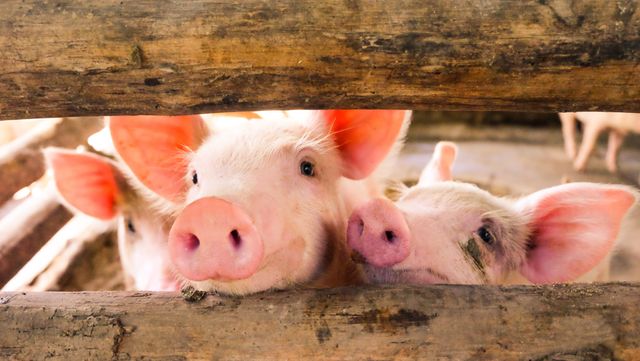
Food and hunting
- In Lord of the Flies, food is a key focus.
- The boys become obsessed with hunting and the availability of meat (which was rationed in WW2).
- Jack also gets more and more obsessed with hunting.
1Context
2Story Analysis
2.2Chapter 2
2.3Chapter 3
2.4Chapter 4
2.6Chapter 6
2.7Chapter 7
2.9Chapter 9
2.10Chapter 10
2.11Chapter 11
2.12Chapter 12
3Key Characters
4Key Concepts
5Writing Techniques
6Recap: Main Quotes
6.1Characters Quotes
6.2Text Structure - Quotes
6.2.1The Sound of the Shell - Quotations6.2.2Fire on the Mountain - Quotations6.2.3Huts on the Beach - Quotations6.2.4Painted Faces & Long Hair - Quotations6.2.5Beast from the Water - Quotations6.2.6Beast From the Air - Quotations6.2.7Shadows & Tall Trees - Quotations6.2.8Gift for the Darkness - Quotations6.2.9Gift for the Darkness - Quotations 26.2.10A View to a Death - Quotations6.2.11The Shell & the Glasses - Quotations6.2.12Castle Rock - Quotations6.2.13Cry of the Hunters - Quotations
Jump to other topics
1Context
2Story Analysis
2.2Chapter 2
2.3Chapter 3
2.4Chapter 4
2.6Chapter 6
2.7Chapter 7
2.9Chapter 9
2.10Chapter 10
2.11Chapter 11
2.12Chapter 12
3Key Characters
4Key Concepts
5Writing Techniques
6Recap: Main Quotes
6.1Characters Quotes
6.2Text Structure - Quotes
6.2.1The Sound of the Shell - Quotations6.2.2Fire on the Mountain - Quotations6.2.3Huts on the Beach - Quotations6.2.4Painted Faces & Long Hair - Quotations6.2.5Beast from the Water - Quotations6.2.6Beast From the Air - Quotations6.2.7Shadows & Tall Trees - Quotations6.2.8Gift for the Darkness - Quotations6.2.9Gift for the Darkness - Quotations 26.2.10A View to a Death - Quotations6.2.11The Shell & the Glasses - Quotations6.2.12Castle Rock - Quotations6.2.13Cry of the Hunters - Quotations
Practice questions on Historical Context
Can you answer these? Test yourself with free interactive practice on Seneca — used by over 10 million students.
- 1In relation to nuclear war, what does MAD stand for?Fill in the list
- 2
- 3
Unlock your full potential with Seneca Premium
Unlimited access to 10,000+ open-ended exam questions
Mini-mock exams based on your study history
Unlock 800+ premium courses & e-books