3.1.1
Councils
Test your knowledge with free interactive questions on Seneca — used by over 10 million students.
The Council of Wales and the Marches
The Council of Wales and the Marches is one of the earliest forms of regional government in England.

Origins of the Council
- The Council was first established by Edward IV in 1472.
- The Council was designed to manage the finances of the Prince of Wales.
- In 1473, the remit of the Council expanded to include maintaining law in Wales.
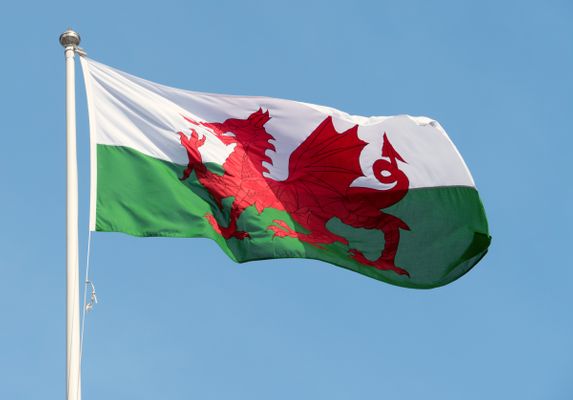
The Council Under Henry VIII
- Under Henry VIII, the Council gained more power and governed the area with greater repression.
- The president of the Council, Rowland Lee, was renowned for his draconian measures.
- The Act of Union (1536) brought Wales into English legal and government systems.
- Wales was divided into three shires with JPs appointed by the king and given 24 MPs.
- In 1542, the Laws in Wales Act gave the Council statutory recognition.
- The Council gained greater control in governing the area.
The Council of the North
The Council of the North was used by the Tudors to maintain control of the northern region. The Council was reinvigorated after the Pilgrimage of Grace.

Origins of the Council
- The Council was first established by Edward IV in 1472.
- The Council was based in Yorkshire.

Reasons for Henry VII using the Council
- The Council of the North was used to maintain law and order (like the Council of Wales).
- Henry VII was particularly concerned about gaining the allegiance of the North (the Yorkist stronghold).

Recreation under Henry VIII
- Following the Pilgrimage of Grace, the Council of the North had a renewed importance.
- Henry VIII hoped that the Council would help reduce resistance to the Reformation.
- The Council was responsible for serving justice in the area.

Council of the North under Elizabeth I
- From 1572, it was led by the Earl of Huntingdon, a committed Protestant. He took over from the Earl of Sussex.
- Huntingdon took over after the Northern Rebellion and Ridolfi plot. He made sure increasingly harsh measures suppressing Catholics were implemented.
1Monarch & Government
1.1Tudor Monarchs
1.2Changing Role of Parliament
1.3Principal Servants to the Crown
2Religious Changes
2.1Tudor Monarchs & Religious Change
2.2Catholicism & Survival
2.3Protestantism & Puritanism
3State Control & Popular Resistance
3.1Tudor Control of the Country
3.2The State & the Poor
4Economic, Social & Cultural Change
4.1Patterns of Domestic & Foreign Trade
4.2Changing Structure of Society
5Historical Interpretations
5.1Significance of Threats to National Security
5.2Court Politics
5.3Elizabeth & Parliament
5.4Social Distress in the 1590s
Jump to other topics
1Monarch & Government
1.1Tudor Monarchs
1.2Changing Role of Parliament
1.3Principal Servants to the Crown
2Religious Changes
2.1Tudor Monarchs & Religious Change
2.2Catholicism & Survival
2.3Protestantism & Puritanism
3State Control & Popular Resistance
3.1Tudor Control of the Country
3.2The State & the Poor
4Economic, Social & Cultural Change
4.1Patterns of Domestic & Foreign Trade
4.2Changing Structure of Society
5Historical Interpretations
5.1Significance of Threats to National Security
5.2Court Politics
5.3Elizabeth & Parliament
5.4Social Distress in the 1590s
Practice questions on Councils
Can you answer these? Test yourself with free interactive practice on Seneca — used by over 10 million students.
- 1
- 2
- 3Where was the Council of the North based?Multiple choice
Unlock your full potential with Seneca Premium
Unlimited access to 10,000+ open-ended exam questions
Mini-mock exams based on your study history
Unlock 800+ premium courses & e-books