
Tolerances
Design & Technology: AQA GCSE, topic 7.8.1
Tolerances
Tolerance is the amount of error you will allow a part to have.

Tolerance
- Tolerance is the amount of error you will allow a part to have. - It is usually measured with a + or - symbol with a specific distance or weight.
- For example if your product needs to be 162mm long then a 1 mm tolerance would allow it to be 163 mm or 161 mm long.
- In engineering the tolerances can be much smaller such as 0.1 mm to ensure that the part being made is 100% accurate and to the correct size.
Electronic tolerances
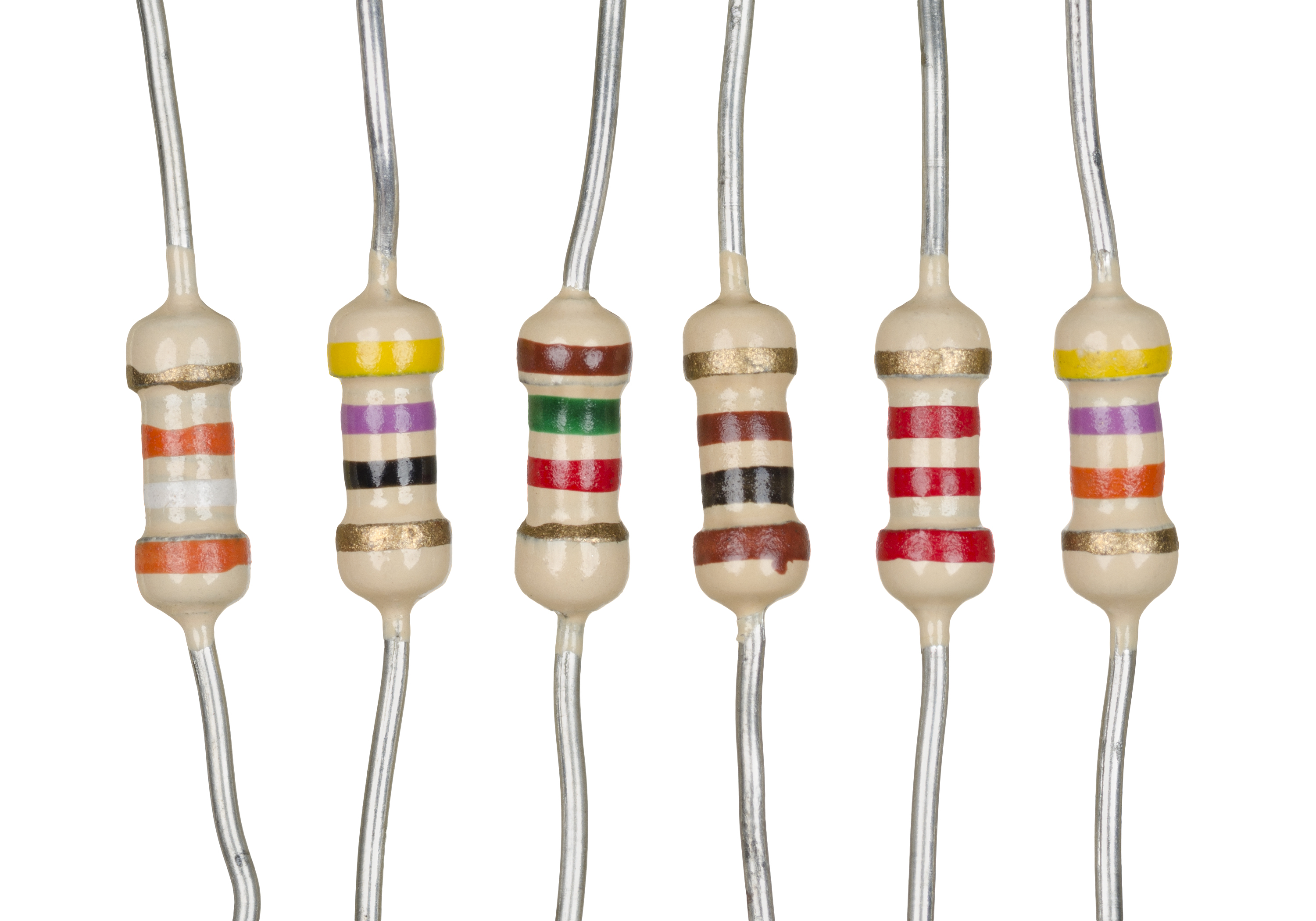
- Electronic components such as resistors and capacitors have tolerances which need to be considered when working out how a circuit will perform.
- A resistor has three bands of colour to identify which ohm the resistor has and then it has a fourth band.
- This fourth band identifies how much tolerance it has.
The fourth band
- Silver = 10%.
- Gold = 5%.
- For example a 100 ohm resistor with a gold band would have a tolerance of 95 ohms to 105 ohms.
- A 100 ohm resistor with a silver band would have a tolerance of 90 ohms to 110 ohms.

A resistor diagram
Allowances
You need to consider when preparing your materials that you allow for some material to be wasted or will need to overlap.

Material allowances
- You need to consider when preparing your materials that you allow for some material to be wasted or will need to overlap.
- If cutting out fabric you may leave a seam allowance so there is enough material to allow a stitch to be put into it without affecting the overall size of the fabric you require.

Timber allowances
- When manufacturing out of wood you may make the product slightly larger knowing that you will be sanding it which would reduce the overall size.

Sewing pattern
Test yourself on Tolerances
Which band on a resistor identifies how much tolerance it has?
What type of material should you leave a seam allowance for?