
Design Communication
Design & Technology: AQA GCSE, topic 7.5.1
Design Communication: Drawings
You need to be able to produce a range of design ideas and solutions for your NEA/coursework. You will need to develop your design ideas through sketching, CAD, modelling, testing and feedback.

Freehand sketching
- Freehand sketching and quick ideas is a brilliant way to record your thoughts and ideas on paper.
- These can later be refined and presented.
- Do not be worried about rough or scruffy sketches in your work as these are a great starting point.
- Annotation (notes) are key to make sure your idea and sketch are fully explained.

3D sketching
- 3D sketching brings your ideas to life.
- Use isometric or perspective drawing to help with the layout of your work.
- These drawings and ideas should be better presented than the freehand sketching and more detail, colour and time should be added and taken with these drawings.

Exploded drawing
- This can be done by hand or on a computer.
- This style is to show the different parts of the product so the product is exploded.
- It is used a lot for furniture design especially instruction booklets like IKEA.

Annotation
- Adding notes explains your thoughts.
- Use these key points to help structure your notes:
- What do you like or dislike about the design?
- How does the design link to your brief/ client needs?
- What material will it be made from?
- What processes are required to make it?
- Will it be easy or difficult to make?
- Where did the inspiration come from?

Working drawings
- Working drawings such as orthographic allow you to look at a plan view of a product.
- The drawings are technical and show the sizes of the product in a set format.
- All parts should line up across the three views of plan(top), side and front view.
- These drawings need to be drawn in scale e.g. 1:2 so the object is half the size of the actual product.

Schematic drawings
- Schematic drawings are used for circuit boards and show the layout of the components and which components are being used throughout the circuit.
Design Communication: Modelling
You need to be able to produce a range of design ideas and solutions for your NEA/coursework. You will need to develop your design ideas through sketching, CAD, modelling, testing and feedback.

CAD models
- CAD (Computer Aid Design) models allow you to develop an idea and make very quick changes to it on the computer.
- There are lots of different types of CAD software from 2D packages to 3D packages and many of them free to students studying Design Technology.

CAD models cont.
- CAD is any design drawn on a computer rather than by hand.
- This makes it quicker to edit, can provide you with working drawings automatically and the design can be sent to CAM, (computer aided manufacture) machines such as a laser cutter or 3D printer.
Modelling
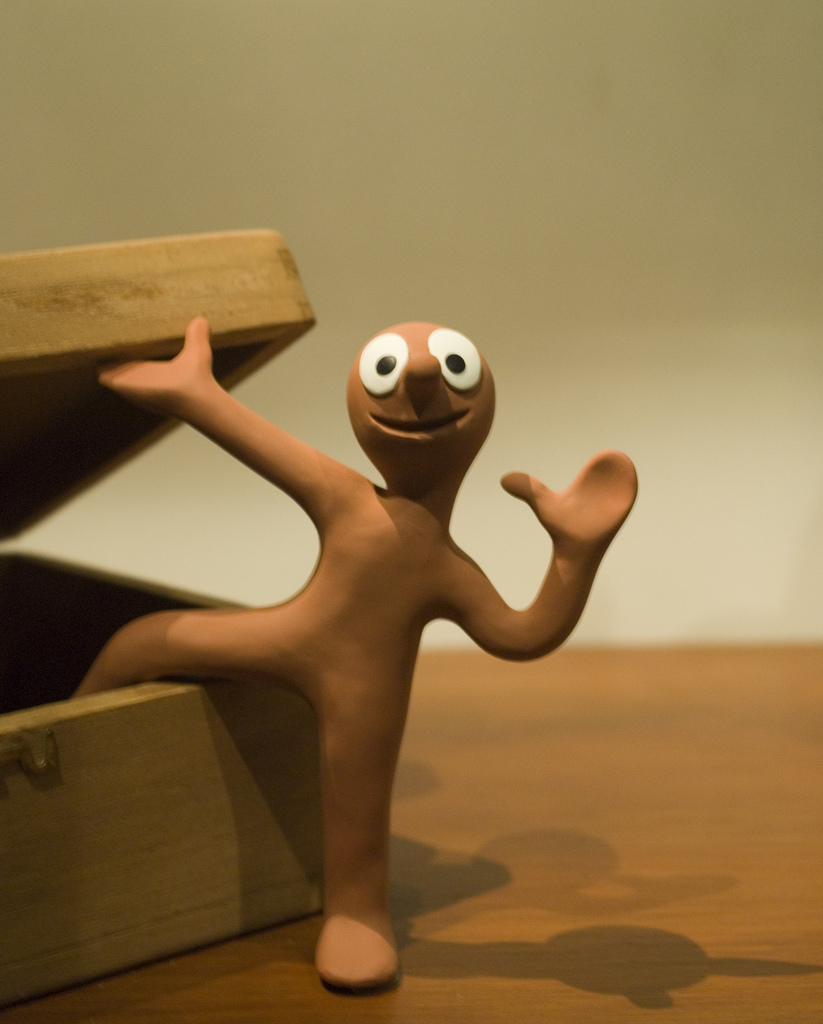
- Use plasticine, card, styrofoam (blue foam), timber and plastic to make your models.
- Start off simple and then get more detailed with the models you make.
- You do not always have to model all of your design just test out the different parts to see if they work.

Modelling cont.
- Think about the following:
- Is it the right size?
- Is it the right shape?
- Is it aesthetically pleasing (colour, shape design)?
- What are the options?

Other modelling techniques
- Card modelling works as parts can be joined together using masking tape and a hot glue gun.
- Toiles are used in the fashion industry to test out a design using cheaper material. You can check the pattern and the style before using the more expensive material.
- For electronics, test your circuit out using breadboards. No soldering is involved and it is an easier way to change the circuit. It is a quicker way to test out the circuit design.

Mathematical modelling
- Mathematical modelling is a way of simulation on a PC real life situations using a maths formula.
- It can be used to demonstrate how a system will work or change if options are modified in the settings.
- It is used a lot when designing cars to see how streamline the car is and how much drag is created by the shape of the car.
Design Communication: Other Techniques
You need to be able to produce a range of design ideas and solutions for your NEA/coursework. You will need to develop your design ideas through sketching, CAD, modelling, testing and feedback.

Audio and visual recordings
- Audio and visual recordings allow you to capture either your client's thoughts and feedback or your target market's reactions and suggestions.
- Ensure you have people's permission to do this.

Analysing recordings
- You can upload the video/recordings and use them to write up their comments if you have recorded the interview.
- Most importantly you can analyse and evaluate what people said and how they reacted.
- Most mobiles will allow you to record without the need to buy expensive equipment.

Testing
- Testing - you need to ensure that the models you make you test out, from reviewing the shape and size of the models through to the colour and the style.
- Get feedback from your client and target market about your design ideas.
Test yourself on Design Communication
Which drawings need to be drawn in scale (e.g. 1:2)?
What type of modelling is used a lot when designing cars to see how streamline the car is?