2.3.4
Nutritional Analysis
Test your knowledge with free interactive questions on Seneca — used by over 10 million students.
Macronutrients
Nutritional analysis involves working out different foods' nutritional content.
Units of energy
- We either talk about energy in terms of kilojoules (kJ) or kilocalories (kcal).
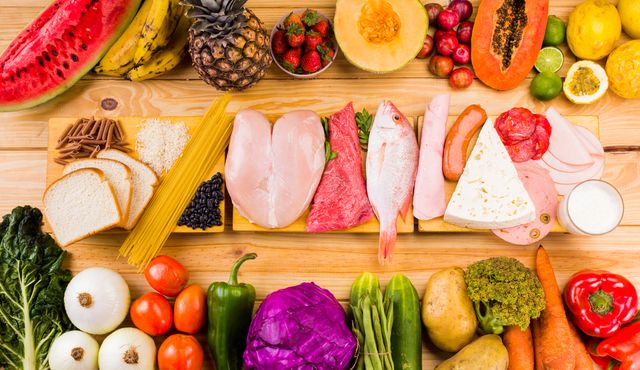
Energy values of macronutrients
- The three main macronutrients - fat, protein and carbohydrate - will give the following energy values (approximately):
- 1g of fat = 9 kcal.
- 1g of protein = 4 kcal.
- 1g of carbohydrate = 4 kcal.
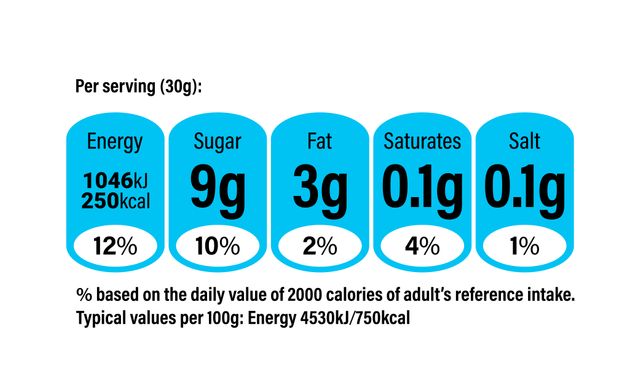
Total energy value
- To calculate the total energy value of a particular food, multiply the energy value (kcal) for 1g by the number of grams of each macronutrient in the food.
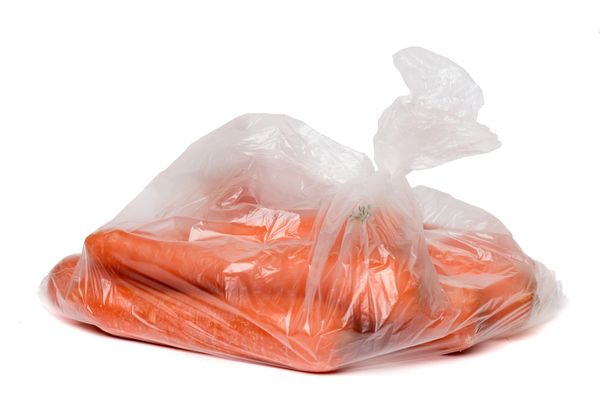
Total energy value example
- A small bag of carrots contains: 0.9g protein, 0.2g fat and 9.6g carbohydrate.
- Energy value of each macronutrient:
- Protein = 0.9 × 4 = 3.6 kcal.
- Fat = 0.2 × 9 = 1.8 kcal.
- Carbohydrate = 9.6 × 4 = 38.4 kcal.
- Total energy value = 3.6 + 1.8 + 38.4 = 43.8 kcal.
Sourcing Nutritional Data
There are reference tables and software available to help you find out nutritional data.
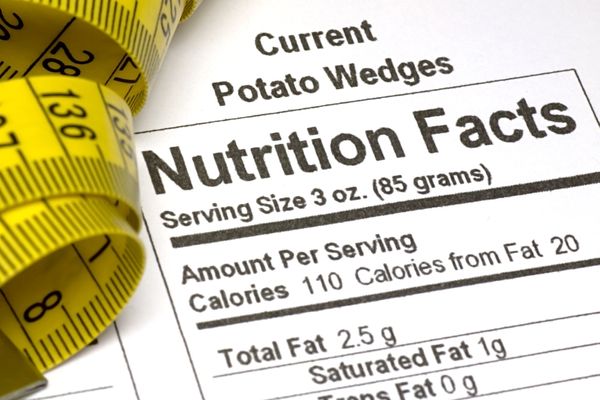
Reference tables
- Available in print (e.g. books) and online.
- Reference tables are usually ordered by food group or alphabetically.
- The nutritional values given are normally per portion or per 100g.
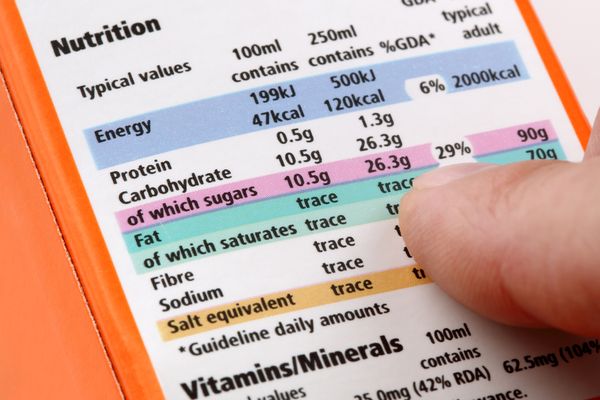
Nutritional labels
- Legally, packaged foods must have nutritional labels.
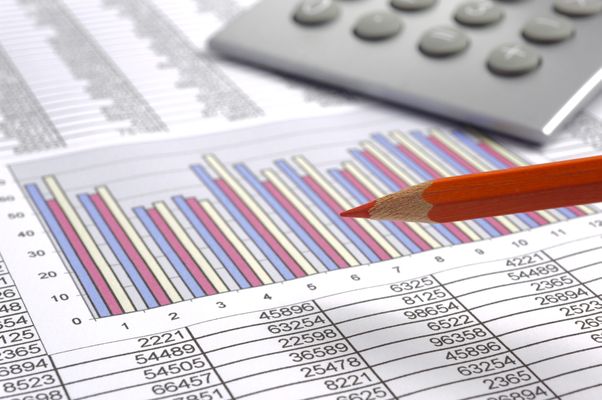
Nutritional analysis software
- By inputting the ingredients of a particular dish and the weight of each ingredient into nutritional analysis software on a computer, you can find out the amount of nutrients and energy in the entire dish or portions of the dish.
- Advanced software analysis may have additional features.
- E.g. showing how the nutritional values of a meal compare with recommended daily intake.
- Advanced software analysis may have additional features.
1Food Preparation Skills
1.1Food Preparation Skills
1.1.1General Practical Skills1.1.2Knife Skills1.1.3Preparing Fruit, Vegetables & Using Equipment1.1.4Cooking Methods: Prepare, Shape & Combine1.1.5Sauce Making, Tenderising & Marinating1.1.6Dough & Pastry1.1.7Shaping & Finishing Dough1.1.8Raising Agents & Mixtures1.1.9End of Topic Test - Food Preparation Skills 1
2Food, Nutrition & Health
2.2Micronutrients
3Food Science
3.1Cooking of Food & Heat Transfer
3.2Functional & Chemical Properties of Food
4Food Safety
4.1Food Spoilage & Contamination
5Food Choice
5.1Factors Affecting Food Choice
5.2British & International Cuisines
6Food Provenance
6.1Environmental Impact & Sustainability of Food
6.1.1Food Sources - Intensive & Organic Farming6.1.2Food Sources - Genetically Modified Crops6.1.3Food Sources - Reared Food6.1.4Food Sources - Caught Food6.1.5Food & The Environment6.1.6Food & The Environment 26.1.7Sustainability of Food6.1.8Sustainability of Food 26.1.9End of Topic Test - Environmental Impacts
Jump to other topics
1Food Preparation Skills
1.1Food Preparation Skills
1.1.1General Practical Skills1.1.2Knife Skills1.1.3Preparing Fruit, Vegetables & Using Equipment1.1.4Cooking Methods: Prepare, Shape & Combine1.1.5Sauce Making, Tenderising & Marinating1.1.6Dough & Pastry1.1.7Shaping & Finishing Dough1.1.8Raising Agents & Mixtures1.1.9End of Topic Test - Food Preparation Skills 1
2Food, Nutrition & Health
2.2Micronutrients
3Food Science
3.1Cooking of Food & Heat Transfer
3.2Functional & Chemical Properties of Food
4Food Safety
4.1Food Spoilage & Contamination
5Food Choice
5.1Factors Affecting Food Choice
5.2British & International Cuisines
6Food Provenance
6.1Environmental Impact & Sustainability of Food
6.1.1Food Sources - Intensive & Organic Farming6.1.2Food Sources - Genetically Modified Crops6.1.3Food Sources - Reared Food6.1.4Food Sources - Caught Food6.1.5Food & The Environment6.1.6Food & The Environment 26.1.7Sustainability of Food6.1.8Sustainability of Food 26.1.9End of Topic Test - Environmental Impacts
Practice questions on Nutritional Analysis
Can you answer these? Test yourself with free interactive practice on Seneca — used by over 10 million students.
- 1What are the main units of energy?Fill in the list
- 2Which of the following is NOT a unit of energy?Multiple choice
- 3Which macronutrient has the greatest energy value?Multiple choice
- 4How are reference tables of nutritional data usually ordered?Fill in the list
Unlock your full potential with Seneca Premium
Unlimited access to 10,000+ open-ended exam questions
Mini-mock exams based on your study history
Unlock 800+ premium courses & e-books