2.3.1
Informed Choices for a Balanced Diet
Test your knowledge with free interactive questions on Seneca — used by over 10 million students.
The Eatwell Guide
The Eatwell Guide shows how much we should be eating of each food group.


Fruit and vegetables
- Approximately one-third of total daily food intake.
- 5 portions recommended per day.
- 1 portion means:
- 1 medium-sized piece of fruit (e.g. blueberries).
- 3 heaped tablespoons of vegetables (e.g. broccoli).
- 1 heaped tablespoon of dried fruit (e.g. apricots).
- 150ml or 1 small glass of smoothies/juices.

Proteins
- 2 portions of fish every week. One should be oily, like mackerel.
- Meat-free options include soya beans and quinoa.
- Lean meats are better than processed meats.

Carbohydrates
- Approximately one-third of total daily food intake.
- Good options include high-fibre foods and wholegrain foods that don't contain as much fat, sugar and salt as other foods.
- Every meal should ideally contain a starchy food. Examples include wholegrain cereals, porridge, brown rice, couscous etc.

Oils and spreads
- Should be unsaturated (e.g. sesame oil).
- Should not be used frequently.

Dairy products/alternatives
- Low-fat options are better than high-fat options (e.g. 1% fat milk).
- Alternatives to dairy include oat milk, almond milk and soya milk.

Other dietary recommendations
- Fluids - 6-8 glasses per day.
- Fruit juices - maximum 1 glass.
- Sugary, fatty and salty foods should be restricted. We should not have more than 6g of salt per day.

Calories
- The recommended daily calorie intake is:
- 2,000kcal for women.
- 2,500kcal for men.
Nutritional Needs of Children
A person's nutritional needs will change with age.

Young children (2-5 years old)
- Children should work towards a diet like the one recommended by the Eatwell Guide.
- As children have smaller stomachs than adults, they should eat small meals regularly to meet their energy needs.
- Young children should drink about 300ml of milk per day to get enough calcium and vitamin A.
- It's important that young children try lots of different foods. They should eat cooked, fresh and raw foods.

Children (5-12 years old)
- Children of this age need lots of energy and nutrients because they're growing quickly and are very active. They need:
- Protein - for growth and repair. Found in chicken nuggets and scrambled eggs.
- Carbohydrates and fat - starchy carbohydrates and certain fats supply the energy needed for growth and activity. Carbohydrates are found in rice; fat in yoghurt and cashew nuts.
- Calcium and vitamin D - support bone and teeth development. Calcium is found in dairy products and leafy vegetables; vitamin D in oily fish like mackerel.
- Sugary foods should only be eaten occasionally.

Teenagers
- Teenagers should base their diets on the Eatwell Guide.
- Teenagers may experience growth spurts. Girls tend to experience them earlier than boys.
- Important nutrients include:
- Protein - needed for growth spurts. Muscular tissue starts to develop at this time, so boys often need more protein than girls. Found in egg-based dishes like poached eggs and lean meats like turkey.

Teenagers (continued)
- Iron and vitamin C - most girls start their periods in their teenage years. They lose iron during this time and can become anaemic if they don't replace what's lost.
- Vitamin C supports iron absorption.
- Iron is found in sardines and lamb.
- Vitamin C is found in oranges and broccoli.
Teenagers (continued)
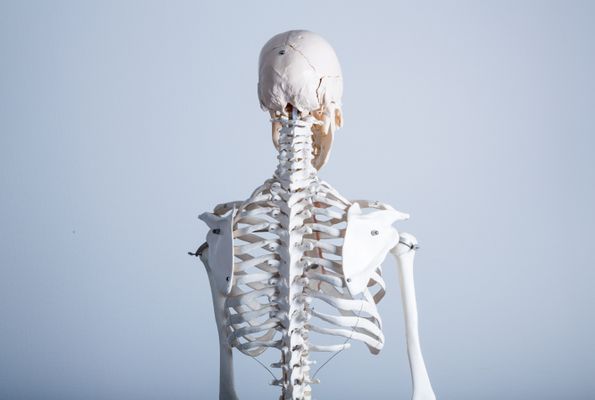
- Calcium and vitamin D - support the growth of the skeleton (including reaching prime bone density).
- Calcium is found in tofu, milk and soya beans.
- Vitamin D is found in some fish, including sardines.
- As the teenage years are stressful years, some teengers' eating habits are affected by stress. Stress can cause eating disorders, such as anorexia, and obesity.
Nutritional Needs - Adults
Adults stop growing and developing. This means they should concentrate on keeping up a healthy diet. Adults are advised to stick to the Eatwell Guide.

Adults
- Generally, men need more calories than women. This is because they are generally taller, larger and have more lean muscle than women.
- Women need iron to replace the iron they lose during their periods.
- It's really important that adults get enough calcium and vitamin D to decrease the risk of developing bone diseases with age.
- Women tend to hit menopause in their 40s or 50s and can lose a lot of bone strength afterwards. These nutrients help to maintain a strong skeleton.

Pregnant women
- Pregnant women should change their diets to support the growing foetus.
- In particular, they should:
- Increase their daily calorie intake by 200 during the final stages of pregnancy.
- Eat more folic acid to decrease the chances of birth defects (e.g. spina bifida).

Elderly adults
- As we get older, our muscle gets converted into fat. This means we don't need as much energy.
- Elderly adults should try and cut down their saturated fat intake. This will help to lessen the chances of health risks, like heart disease.
- A person's sense of smell and taste will change as they age, meaning the types of foods they like will change.

Important nutrients for elderly adults
- Calcium and vitamin D - needed to prevent bones from weakening and becoming brittle. These nutrients also lessen the chances of developing bone diseases.
- Calcium is found in soya beans, tofu, leafy vegetables and milk; vitamin D in beef liver and fatty fish.

Important nutrients for elderly adults (continued)
- Vitamin B12 - needed to maintain healthy brain activity and avoid memory loss. Found in eggs, beef, chicken, etc.
- Fibre - needed to avoid constipation. Constipation becomes more likely as the digestive system gets weaker. Found in wholegrain cereals and potato skins.
- Vitamin A - needed to keep up good eyesight. Found in dark green leafy vegetables and carrots.
- Vitamin supplements can make up for anything lacking in the diet.
1Food Preparation Skills
1.1Food Preparation Skills
1.1.1General Practical Skills1.1.2Knife Skills1.1.3Preparing Fruit, Vegetables & Using Equipment1.1.4Cooking Methods: Prepare, Shape & Combine1.1.5Sauce Making, Tenderising & Marinating1.1.6Dough & Pastry1.1.7Shaping & Finishing Dough1.1.8Raising Agents & Mixtures1.1.9End of Topic Test - Food Preparation Skills 1
2Food, Nutrition & Health
2.2Micronutrients
3Food Science
3.1Cooking of Food & Heat Transfer
3.2Functional & Chemical Properties of Food
4Food Safety
4.1Food Spoilage & Contamination
5Food Choice
5.1Factors Affecting Food Choice
5.2British & International Cuisines
6Food Provenance
6.1Environmental Impact & Sustainability of Food
6.1.1Food Sources - Intensive & Organic Farming6.1.2Food Sources - Genetically Modified Crops6.1.3Food Sources - Reared Food6.1.4Food Sources - Caught Food6.1.5Food & The Environment6.1.6Food & The Environment 26.1.7Sustainability of Food6.1.8Sustainability of Food 26.1.9End of Topic Test - Environmental Impacts
Jump to other topics
1Food Preparation Skills
1.1Food Preparation Skills
1.1.1General Practical Skills1.1.2Knife Skills1.1.3Preparing Fruit, Vegetables & Using Equipment1.1.4Cooking Methods: Prepare, Shape & Combine1.1.5Sauce Making, Tenderising & Marinating1.1.6Dough & Pastry1.1.7Shaping & Finishing Dough1.1.8Raising Agents & Mixtures1.1.9End of Topic Test - Food Preparation Skills 1
2Food, Nutrition & Health
2.2Micronutrients
3Food Science
3.1Cooking of Food & Heat Transfer
3.2Functional & Chemical Properties of Food
4Food Safety
4.1Food Spoilage & Contamination
5Food Choice
5.1Factors Affecting Food Choice
5.2British & International Cuisines
6Food Provenance
6.1Environmental Impact & Sustainability of Food
6.1.1Food Sources - Intensive & Organic Farming6.1.2Food Sources - Genetically Modified Crops6.1.3Food Sources - Reared Food6.1.4Food Sources - Caught Food6.1.5Food & The Environment6.1.6Food & The Environment 26.1.7Sustainability of Food6.1.8Sustainability of Food 26.1.9End of Topic Test - Environmental Impacts
Practice questions on Informed Choices for a Balanced Diet
Can you answer these? Test yourself with free interactive practice on Seneca — used by over 10 million students.
- 1What does this image illustrate?Multiple choice
- 2
- 3Which of the following is NOT 1 portion of fruit or veg?Multiple choice
- 4Which of the following is better for you?True / false
- 5
Unlock your full potential with Seneca Premium
Unlimited access to 10,000+ open-ended exam questions
Mini-mock exams based on your study history
Unlock 800+ premium courses & e-books